- Aeviva
- Posts
- The Iran War Is Not Just a Middle East Problem. It Is Coming for Your Food and Medicine Too
The Iran War Is Not Just a Middle East Problem. It Is Coming for Your Food and Medicine Too
A single strait, 33 kilometers wide, connects the Persian Gulf to the rest of the world. Right now it is effectively closed. Here is what that means.
Estimated Read Time: 6 minutes
On February 28, 2026, joint US-Israeli airstrikes hit Iranian military and leadership targets, beginning a conflict that is still unfolding as you read this.
Most people are following it as a geopolitical story.
They should also be following it as a food and medicine story.
The Strait of Hormuz, a narrow waterway between Iran and Oman that connects the Persian Gulf to the open ocean, is one of the most consequential chokepoints on the planet. Through it flows roughly 27% of the world's oil exports, 20% of global liquefied natural gas, and 20-30% of global fertilizer trade.
Since the conflict began, commercial shipping through the Strait has fallen by more than 70%.
And almost nobody is talking about what that means for the food you will eat next year, the medicines you might need next month, and the 93 million people inside Iran who are already living it.
Today's Issue
Main Topic: How the Iran war is disrupting global food and pharmaceutical supply chains, what is happening inside Iran right now, how the Middle East region is being hit, what the global ripple effects are, and what the timeline looks like before ordinary people start to feel it
Subtitles:
The Strait of Hormuz: why one narrow waterway controls so much
Inside Iran: a food and medicine crisis that was already severe
The Middle East region: countries that import almost everything
The fertilizer time bomb: why next year's harvest is already at risk
Pharmaceuticals: from cancer drugs stuck in Dubai to your ibuprofen
The timeline: when do ordinary people in rich countries start to feel this?
Abstract: The 2026 Iran war, beginning February 28 with US-Israeli strikes and subsequent Iranian retaliation, has effectively closed the Strait of Hormuz to commercial shipping, with traffic down more than 70% as of mid-March. The Strait is the sole maritime exit from the Persian Gulf for approximately 27% of global oil exports, 20% of global LNG (liquefied natural gas), and 20-30% of global fertilizer trade including urea, ammonia, phosphates, and sulfur. Iran's food situation before the conflict was already critical: food price inflation exceeded 40% in 2025, and by 2026 the war has produced a 42% year-over-year increase in retail food prices in September 2025 per FAOSTAT. Up to 3.2 million Iranians have been displaced. Persian Gulf countries (Saudi Arabia, UAE, Kuwait, Qatar, Bahrain, Oman) are almost entirely import-dependent for agricultural commodities: 77% of rice, 89% of corn, 95% of soybeans, and 91% of vegetable oils are imported, primarily through the Strait now effectively closed. Fertilizer disruption represents a structural threat beyond the immediate conflict: global urea prices have risen approximately 26% (from $465 to $585 per metric ton) since the conflict began; urea prices at the New Orleans import hub jumped 32% in the first week of the conflict. Most critically, fertilizer shortages are arriving simultaneously with spring planting seasons across Asia, Africa, and the Americas, with the FAO chief economist warning that disruptions lasting three months or longer "significantly impact farmers globally, affecting planting decisions across the globe for this year and beyond." On the pharmaceutical side, Iranian missile strikes on Dubai, Abu Dhabi, and Doha closed major air cargo hubs through which more than one fifth of global air cargo transits, including temperature-controlled pharmaceutical shipments.
The Gold Standard for AI News

AI will eliminate 300 million jobs in the next 5 years.
Yours doesn't have to be one of them.
Here's how to future-proof your career:
Join the Superhuman AI newsletter - read by 1M+ professionals
Learn AI skills in 3 mins a day
Become the AI expert on your team
1. The Strait of Hormuz: Why One Narrow Waterway Controls So Much 🗺️⚓
The Strait of Hormuz is, at its narrowest point, just 33 kilometers wide.
It is the only sea exit from the Persian Gulf.
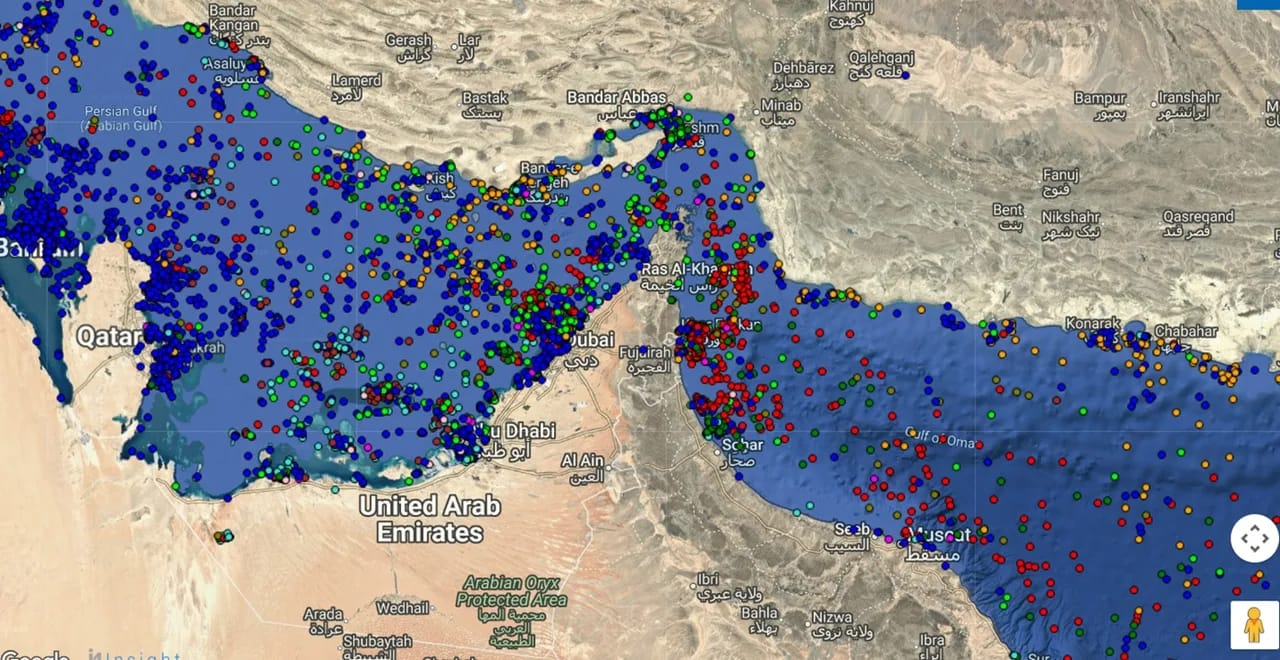
Strait of Hormuz Traffic
Every barrel of oil exported from Saudi Arabia, Iran, the UAE, Kuwait, Iraq, and Qatar travels through it. Every LNG tanker from Qatar (the world's largest LNG exporter) passes through it. A massive portion of global fertilizer trade moves through it.
Shipping through the Strait has collapsed by more than 70% since late February 2026.
This is not a regional inconvenience. It is a structural disruption to global commodity markets, and its effects compound with every week it continues.
The numbers, as of early April 2026:
Crude oil futures up more than 15% since the conflict began
European natural gas benchmarks trading more than 50% higher than pre-conflict levels
Global urea (a key fertilizer) prices up approximately 26%
Air cargo costs from Asia to Europe up 45%
And these are the numbers from the first five weeks. They are not the ceiling.
💡 Fun Fact: The Strait of Hormuz is so narrow that shipping lanes run in opposite directions through it: inbound ships use a 3.2km lane near Oman, outbound ships use a separate 3.2km lane near Iran, separated by a 3.2km buffer zone. The entire global energy trade for the Persian Gulf passes through a corridor narrower than many cities.
2. Inside Iran: A Food and Medicine Crisis Already Severe 🇮🇷🥣
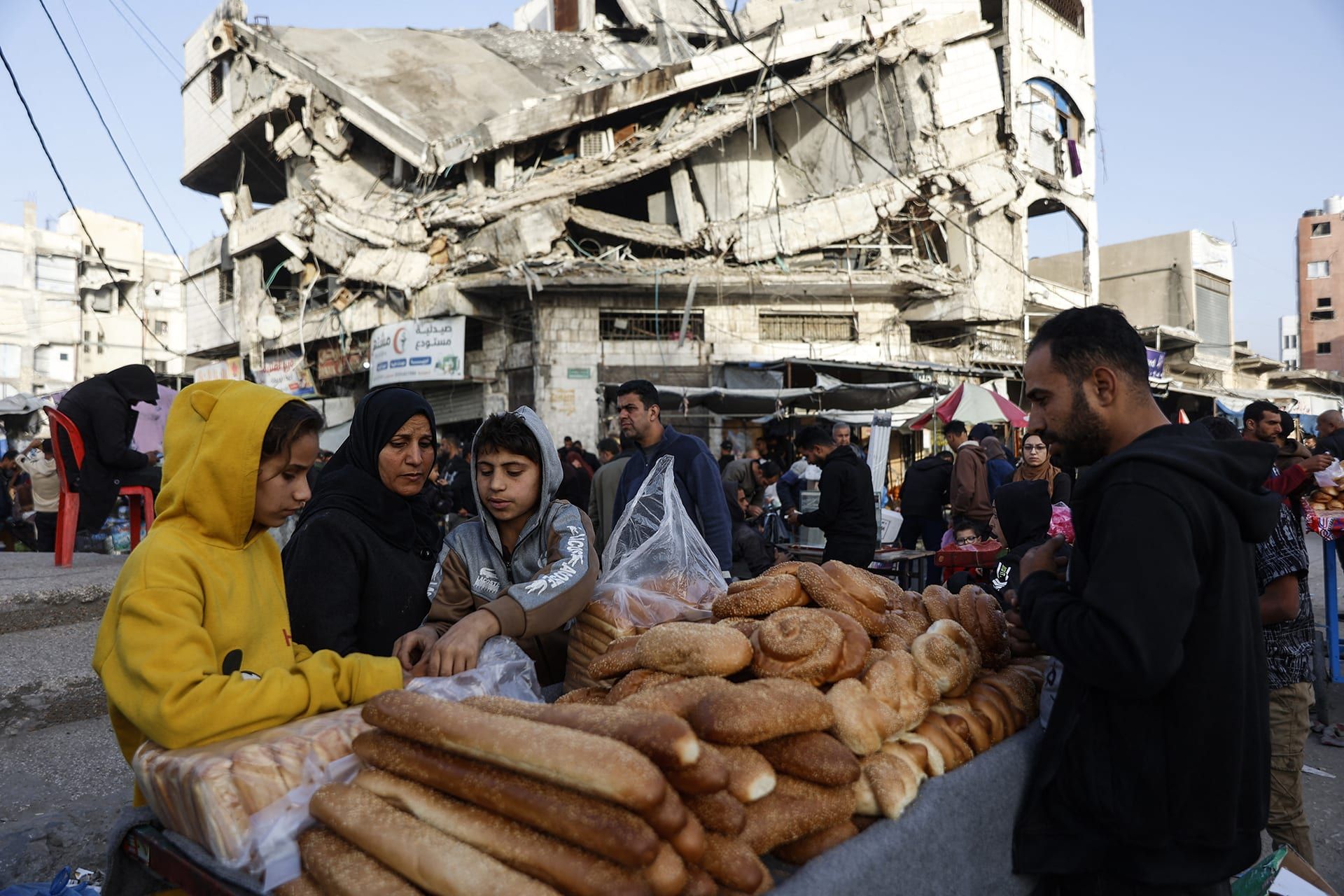
Before the first bomb fell, Iran was already in serious trouble.
Years of compounding US and international sanctions, economic mismanagement, and a collapsing rial (Iran's currency) had pushed inflation above 40% in 2025.
By September 2025, retail food prices in Tehran were rising at 42% year-over-year.
Up to 3.2 million Iranians have been displaced as of March 2026. The Strait closure has cut off critical food imports, since Iran imports large volumes of wheat, corn, and soybeans through maritime channels.
The operational livestock feed stockpile has reportedly fallen to a 14-day supply in some areas, posing immediate risk of a protein supply collapse.
Iran is one of the world's largest producers of urea (a key fertilizer), but the conflict has forced the regime to redirect natural gas, a primary feedstock for urea production, from petrochemical complexes to military and emergency power facilities. This means Iran is not only unable to feed its population adequately, it is also cannibalizing its own agricultural input production for the upcoming harvest.
The expected result: a major yield deficit for the 2026 summer wheat harvest, likely extending the food crisis into 2027.
3. The Middle East Region: Countries That Import Almost Everything 🌍📦
The Persian Gulf states, Saudi Arabia, UAE, Kuwait, Qatar, Bahrain, and Oman, consume enormous quantities of food but produce almost none of it.
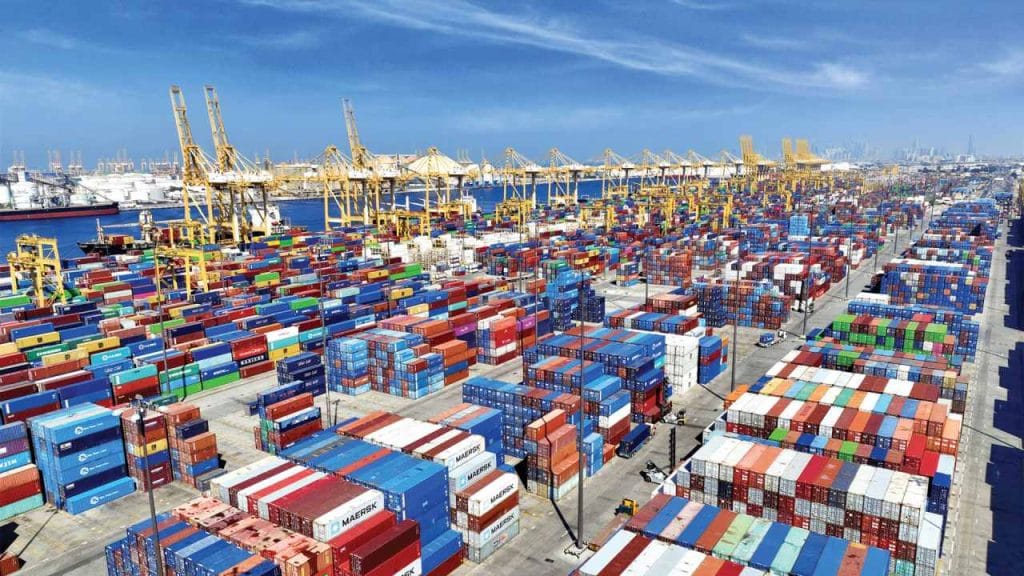
Jebel Ali Port
They import:
77% of their rice
89% of their corn
95% of their soybeans
91% of their vegetable oils
Per capita wheat consumption across the region frequently exceeds 100 kg per person per year. Almost all of it arrives by ship, through the Strait of Hormuz.
The entire Gulf region is also extraordinarily dependent on desalination plants for drinking water.
Kuwait gets 90% of its drinking water from desalination; Oman 86%, Saudi Arabia 70%.
Iranian strikes have targeted desalination infrastructure in Bahrain, and strikes have landed near Saudi desalination complexes. Water security and food security are now simultaneously at risk.
Lebanon has seen more than 1 million people displaced. Yemen, already facing cholera, measles, and polio outbreaks before the conflict, is now at 120% bed occupancy in pediatric wards according to Doctors Without Borders.
Over 100 tons of therapeutic food for malnourished children under 5 is stuck at Dubai's Jebel Ali Port, unable to move.
4. The Fertilizer Time Bomb: Why Next Year's Harvest Is Already at Risk 🌾💣
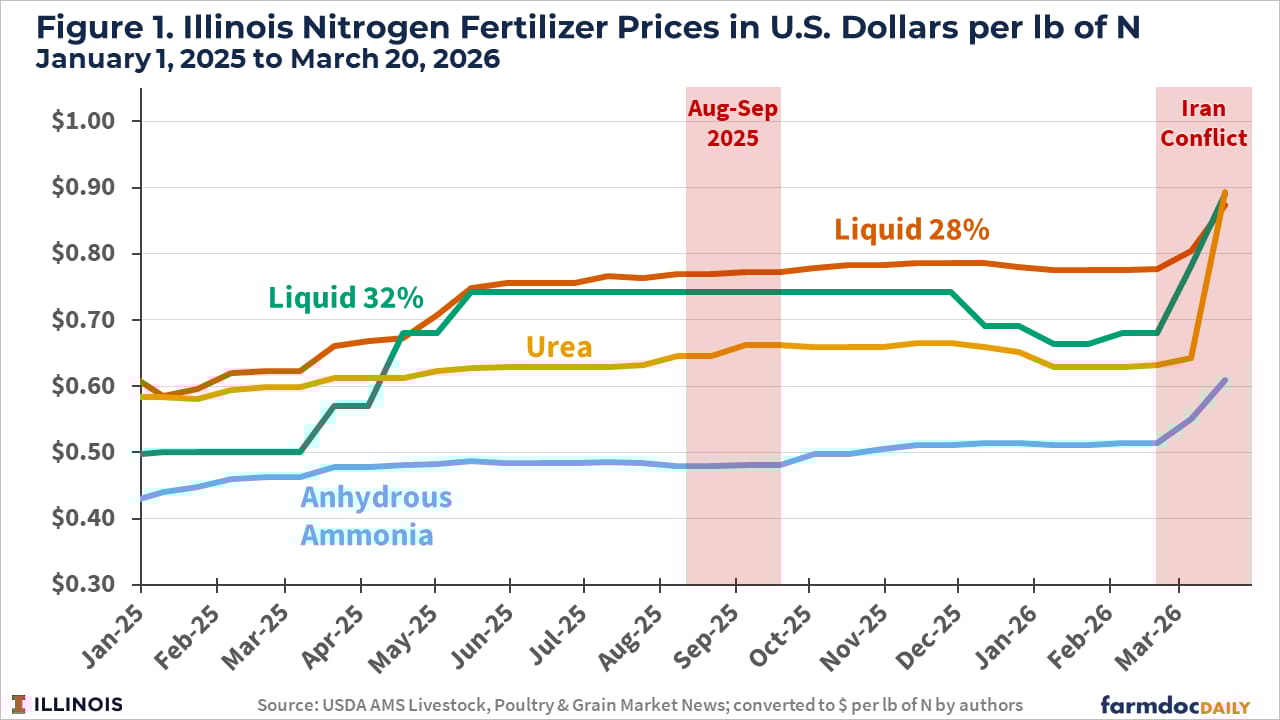
This is the most underreported consequence of the conflict, and potentially the most serious for global food security.
Fertilizer is what allows modern agriculture to feed 8 billion people. Without adequate fertilizer, crop yields fall, sometimes dramatically.
The Persian Gulf is a critical hub for global fertilizer production and export, particularly for urea (nitrogen-based fertilizer, the most widely used globally), diammonium phosphate (DAP), ammonia, and sulfur.
Approximately one quarter of global fertilizer production passes through the Strait of Hormuz.
Global urea prices were already elevated before the conflict, having risen 18% in 2025. Since the conflict began, they have jumped a further 26%.
US urea prices at New Orleans import hubs jumped 32% in the first week of the conflict alone. By early March, one ton of urea cost the equivalent of 126 bushels of corn for US farmers, up from 75 bushels in December 2025.
But the price story is only part of it. The timing is the other part.
Commodity | Pre-conflict trend | Change since Feb 28, 2026 |
|---|---|---|
Global urea price | Already up 18% in 2025 | Up further 26% |
US urea (New Orleans hub) | $516/metric ton | Jumped to $683 in first week |
European natural gas (TTF) | Elevated | Up 50%+ since conflict began |
Crude oil futures | $10/barrel increase | Up approximately 15% |
Air cargo (Asia to Europe) | Pre-conflict baseline | Up 45% |
5. Pharmaceuticals: From Cancer Drugs Stuck in Dubai to Your Ibuprofen 💊✈️
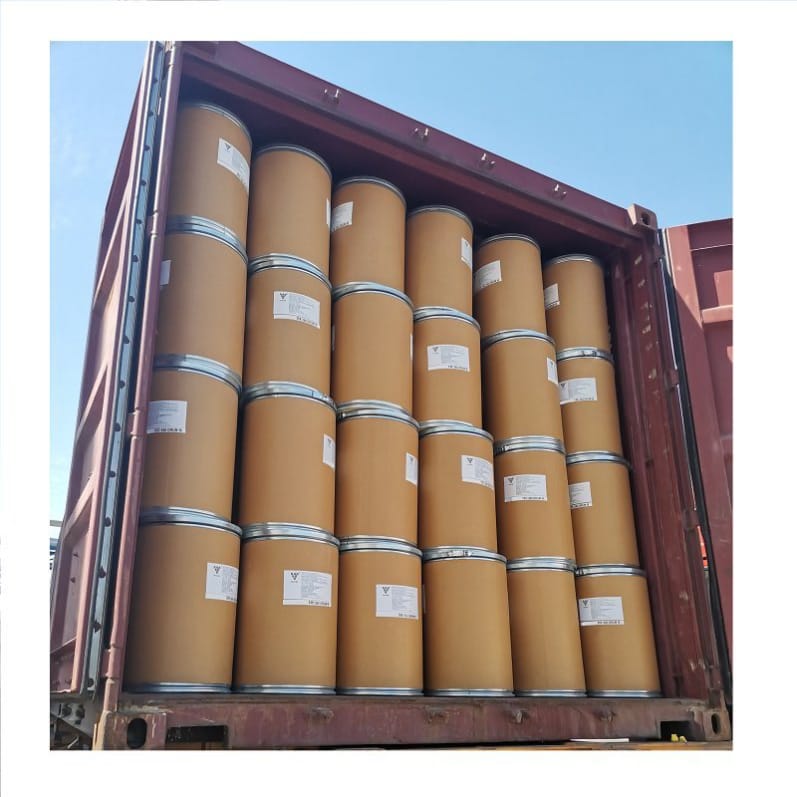
Active Pharmaceutical Ingredients
Here is the connection most people are missing.
Dubai and Doha are not just energy hubs. They are two of the most critical pharmaceutical logistics hubs on the planet.
Dubai's Jebel Ali Free Zone handles enormous volumes of temperature-controlled pharmaceutical shipments.
Dubai's air cargo capacity is approximately 4 million tons annually. Emirates and Etihad airways, operating out of Dubai and Abu Dhabi, carry large shares of global pharmaceutical air freight, including cancer medications, biologics (medicines made from living cells that require constant refrigeration), and vaccines.
Iranian missile strikes closed Dubai, Abu Dhabi, and Doha airports to commercial traffic.
The WHO's Dubai humanitarian logistics hub, which coordinates emergency medical supply deliveries to crisis zones across Africa and the Middle East, has been suspended.
Global air cargo capacity in the Gulf region dropped 79% between February 28 and March 3. That translated to a 22% reduction in worldwide air cargo capacity.
Pharmaceuticals account for approximately 4% of all global air freight, meaning the emirate alone could lose processing of more than 10,000 tons of pharmaceutical air freight in a single month.
The immediate impact is concentrated on:
Cold chain-dependent medicines: Cancer drugs, biologics, insulin, and vaccines that require constant refrigeration cannot simply be rerouted without significant loss risk.
Generic drug supply chains: Most generic medicines have some proportion of their chemical precursors derived from petrochemicals (propylene, an oil derivative, is used in making acetaminophen and ibuprofen).
The good news: most developed nations maintain approximately 180 days of pharmaceutical inventory in manufacturer and distributor warehouses. Short-term shortages in the US, EU, and other high-income countries are not expected imminently. But supply chain experts, speaking to Reuters and Fierce Pharma, warn that if disruptions persist, consumers could see drug price impacts within four to six weeks.
6. The Timeline: When Do Ordinary People in Rich Countries Start to Feel This? 📅🌐
The honest answer is: it depends entirely on how long the conflict lasts.
A conflict lasting three months or longer is a different situation entirely.
For Middle Eastern and African populations: Effects are already arriving. Food prices in the Gulf are rising. Medical supplies are delayed. Displaced populations are growing. The most vulnerable, Yemen, Gaza, Sudan, Somalia, are at acute risk right now.
For low and middle-income countries globally: Fertilizer price spikes will translate into higher food production costs for the 2026 planting season. Countries where households spend 52% of income on food (the low-income country average) feel a 10% food price increase as the equivalent of a 5% income cut. The burden falls hardest on those least able to absorb it.
For Europe: Energy and gas prices have already risen sharply. The ECB has revised its inflation forecast upward and cut GDP growth projections. UK inflation is expected to breach 5% in 2026. Chemical and steel manufacturers are imposing surcharges of up to 30%.
For the United States: Agricultural input costs are already spiking at the worst possible time (spring planting). Air cargo costs from Asia are elevated. Pharmaceutical supply chains are being stress-tested. The domestic economy, already managing tariff pressures and inflation, now faces additional commodity cost pressure.
The pattern is consistent: wealthy countries feel this as inflation. Poor countries feel this as hunger.
Takeaways
The Strait of Hormuz, just 33km wide, is the sole maritime exit for approximately 27% of global oil exports, 20% of global LNG, and 20-30% of global fertilizer trade; since the conflict began February 28, commercial shipping through it has fallen more than 70%, Iranian missile strikes have closed Dubai, Abu Dhabi, and Doha airports (causing a 79% drop in Gulf air cargo capacity and 22% reduction worldwide), and energy prices, shipping costs, and fertilizer prices have spiked significantly, while inside Iran food prices were already rising 42% year-over-year before the conflict, up to 3.2 million people have been displaced, and the regime's diversion of natural gas from fertilizer production to military needs is threatening the 2026 summer wheat harvest.
The fertilizer disruption is the most structurally dangerous long-term consequence: global urea prices have jumped 26% since the conflict began, US urea prices at import hubs rose 32% in the first week, and this arrives simultaneously with spring planting seasons across Asia, Africa, and the Americas, with the FAO chief economist warning that disruptions lasting three months or longer will significantly affect planting decisions globally, meaning the food crisis from fertilizer disruption does not arrive now but at the next harvest, and then the harvest after that.
On pharmaceuticals, Dubai and Doha are critical global hubs for temperature-controlled pharmaceutical shipments, vaccines, cancer drugs, and biologics; the WHO's Dubai humanitarian hub has been suspended, over 100 tons of therapeutic food for malnourished children in Yemen is stuck at Jebel Ali Port, and supply chain experts warn consumers in developed countries could see drug price impacts within four to six weeks if disruptions persist, though most developed nations' 180-day inventory buffers currently prevent immediate shortages, while fragile countries in Yemen, Sudan, Gaza, and Afghanistan are already facing acute medical supply disruptions with no such buffer.
Feedback & Sponsorship
What'd you think of this week's newsletter? Hit reply to let us know. Did we crush it? Blow your mind? We read every response.
Want your brand in front of hundreds of thousands of readers? Contact us for sponsorship opportunities [email protected]
Want more where that came from? Head to our website
Reply