- Aeviva
- Posts
- What Cholesterol Really Does in Your Body and How to Lower It Naturally
What Cholesterol Really Does in Your Body and How to Lower It Naturally
Understanding cholesterol's true role in health and evidence based strategies to manage levels without medication.
Sponsored by

Abstract
Cholesterol, often misunderstood as purely harmful, serves essential biological functions including hormone production, cell membrane structure, and bile acid synthesis.
However, elevated levels, particularly of low-density lipoprotein cholesterol, significantly increase cardiovascular disease risk. This review examines cholesterol's physiological roles, the mechanisms behind cardiovascular damage, and evidence based approaches for natural cholesterol management.
Dietary modifications including soluble fiber intake, plant stanols, and omega-3 fatty acids demonstrate significant efficacy. Lifestyle interventions such as regular exercise and weight management provide additional benefits.
Targeted supplementation with red yeast rice, berberine, and psyllium shows promise, though individual responses vary considerably.
Let your insurance plan pay for your personal dietitian

Expert nutrition counseling is a game-changer for your health, but high costs have made it inaccessible for many. What if you could get that expert guidance without the financial burden?
Fay was founded on a simple but powerful premise: your health insurance should help you stay healthy. Most people don't realize their plan likely covers sessions with a Registered Dietitian, often with little to no co-pay.
Fay makes it easy to unlock this benefit by matching you with a top-tier dietitian who is in-network with your insurance provider, including major plans from UnitedHealthcare, Aetna, Cigna, and hundreds more. Stop paying out-of-pocket for generic advice.
Understanding Cholesterol's Essential Functions
Hormone Production Cholesterol serves as the building block for several essential hormones including testosterone, estrogen, progesterone, and cortisol ⚡. Your adrenal glands, ovaries, and testes cannot produce these hormones without adequate cholesterol supplies. This connection explains why some people on very low cholesterol diets experience hormonal imbalances.
Cellular Structure and Function Cholesterol forms a crucial component of every cell membrane in your body, helping maintain proper fluidity and permeability 🧱. Without adequate cholesterol, cell membranes become too rigid or too fluid, disrupting normal cellular communication and transport processes.
Your brain contains about 25% of your body's total cholesterol, where it supports neurotransmitter production and nerve signal transmission 🧠. This explains why extremely low cholesterol levels can sometimes affect cognitive function and mood regulation.
Fun Fact: Your liver produces about 1,000 milligrams of cholesterol daily, which is roughly four times more than the average person consumes from food, showing how essential this substance is for normal body functions.
When Good Cholesterol Goes Bad

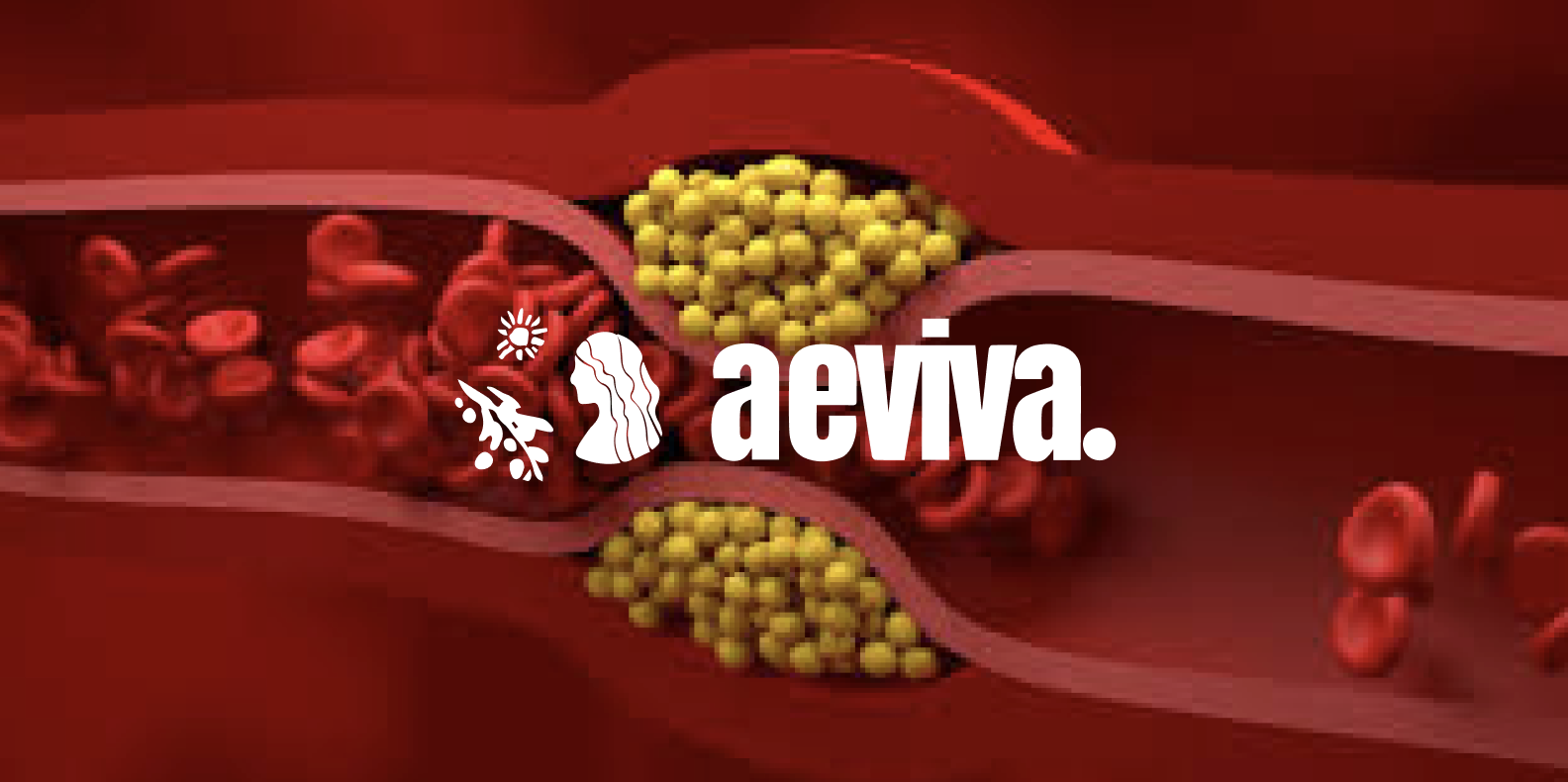
The LDL vs HDL Distinction Low density lipoprotein (LDL) cholesterol becomes dangerous when it gets trapped in artery walls and undergoes oxidation 🔥. Oxidized LDL triggers inflammatory responses that lead to atherosclerotic plaque formation. This process can eventually block blood flow to the heart or brain, causing heart attacks or strokes.
High density lipoprotein (HDL) cholesterol performs the opposite function, transporting cholesterol away from artery walls back to the liver for disposal 🚛. Higher HDL levels correlate with lower cardiovascular disease risk, which is why HDL is often called good cholesterol.
Cholesterol Component | Optimal Level | Risk Factor | Primary Function |
|---|---|---|---|
Total Cholesterol | Under 200 mg/dL | Moderate above 240 | Overall cholesterol burden |
LDL Cholesterol | Under 100 mg/dL | High above 160 | Cholesterol transport to tissues |
HDL Cholesterol | Over 40 men/50 women | Low risk factor | Cholesterol removal from arteries |
Triglycerides | Under 150 mg/dL | High above 200 | Fat transport and storage |
Inflammation's Role Chronic inflammation makes cholesterol more likely to cause arterial damage 🔥. This explains why people with inflammatory conditions like rheumatoid arthritis have higher cardiovascular disease rates even with normal cholesterol levels. Managing inflammation becomes as important as managing cholesterol numbers.
Natural Dietary Approaches That Actually Work
Soluble Fiber Power Soluble fiber binds to cholesterol in your digestive system and helps remove it from the body before absorption 🌾. Studies show that consuming 10 to 25 grams of soluble fiber daily can reduce LDL cholesterol by 5 to 15%. The best sources include oats, beans, apples, barley, and psyllium husk.

Plant Stanols and Sterols These naturally occurring compounds in plants compete with cholesterol for absorption in your intestines 🌱. Consuming 2 grams daily of plant stanols can reduce LDL cholesterol by 6 to 15% within weeks. They're found naturally in vegetable oils, nuts, seeds, and fortified foods like certain margarines.
Omega-3 Fatty Acids While omega-3s don't significantly lower LDL cholesterol, they provide powerful cardiovascular protection through other mechanisms 🐟. They reduce triglycerides, decrease inflammation, and improve overall heart rhythm stability. Aim for 2 to 3 servings of fatty fish weekly or consider fish oil supplementation.
Fun Fact: The Mediterranean diet, rich in olive oil, nuts, fish, and vegetables, can reduce cardiovascular events by up to 30% even without dramatically lowering cholesterol numbers, showing that diet quality matters beyond just cholesterol levels.
Lifestyle Modifications for Cholesterol Management
Exercise Effects Regular physical activity improves cholesterol profiles through multiple mechanisms 🏃. Aerobic exercise increases HDL cholesterol by 5 to 10% while moderate resistance training helps lower LDL levels. Exercise also improves LDL particle size, making them less likely to cause arterial damage.
Weight Management Impact Losing excess weight, particularly abdominal fat, significantly improves cholesterol profiles 📉. Every 2.2 pounds of weight loss typically reduces LDL cholesterol by about 1 mg/dL. Weight loss also increases HDL cholesterol and reduces triglyceride levels.
Stress Reduction Benefits Chronic stress elevates cortisol levels, which can increase cholesterol production and worsen cardiovascular disease risk factors 😰. Stress management techniques including meditation, yoga, and adequate sleep help optimize cholesterol levels naturally.
Evidence Based Supplement Strategies
Red Yeast Rice This fermented rice product contains natural statins that can reduce LDL cholesterol by 15 to 25% 🍚. However, quality and potency vary significantly between products. Some red yeast rice supplements contain virtually no active compounds, while others provide therapeutic doses comparable to prescription medications.

Berberine This plant compound activates the same cellular pathways as metformin and can reduce LDL cholesterol by 20 to 25% 🌿. Berberine also improves insulin sensitivity and reduces inflammation. Typical dosing ranges from 900 to 1,500 mg daily, divided into two or three doses with meals.
Psyllium Husk As a concentrated source of soluble fiber, psyllium husk supplements can provide cholesterol lowering benefits when dietary fiber intake is insufficient 💊. Studies show that 10 to 15 grams daily can reduce LDL cholesterol by 7 to 10%. Start with smaller doses to avoid digestive discomfort.
Niacin Considerations While niacin (vitamin B3) can significantly raise HDL cholesterol and lower triglycerides, it often causes uncomfortable flushing and may not reduce cardiovascular events 🔥. Extended release niacin reduces flushing but carries higher risks of liver toxicity. Most experts now recommend other approaches first.
Creating Your Personal Cholesterol Management Plan
Start with Dietary Fundamentals Focus on increasing soluble fiber intake through oats, beans, and vegetables while reducing saturated fat from red meat and full fat dairy 🥗. Replace some animal proteins with plant based options like nuts, seeds, and legumes that naturally contain cholesterol lowering compounds.
Add Targeted Supplements Consider supplements based on your specific needs and risk factors 💊. People with high LDL might benefit from red yeast rice or berberine, while those with low HDL could focus on omega-3 fatty acids and exercise.
Monitor and Adjust Track your response to interventions through regular lipid testing and adjust strategies based on results 📈. What works for one person may not work for another due to genetic and lifestyle differences.
Conclusion
Cholesterol serves essential functions in your body, but elevated levels significantly increase cardiovascular disease risk 💓. Natural management approaches including dietary modifications, regular exercise, weight management, and targeted supplementation can effectively lower cholesterol levels for many people.
The key to success lies in understanding that cholesterol management is a long term lifestyle commitment rather than a quick fix 🎯. Combining multiple evidence based strategies provides the best results while supporting overall cardiovascular health beyond just cholesterol numbers.ffffffff
Seeking impartial news? Meet 1440.
Every day, 3.5 million readers turn to 1440 for their factual news. We sift through 100+ sources to bring you a complete summary of politics, global events, business, and culture, all in a brief 5-minute email. Enjoy an impartial news experience.
Take-Home Summary
Cholesterol performs essential functions including hormone production, cell membrane structure, and bile acid synthesis
LDL cholesterol becomes dangerous when it oxidizes in artery walls, while HDL cholesterol helps remove cholesterol from arteries
Soluble fiber, plant stanols, and omega-3 fatty acids provide proven cholesterol lowering benefits through dietary modifications
Regular exercise increases HDL cholesterol and improves LDL particle size, reducing cardiovascular disease risk
Red yeast rice, berberine, and psyllium husk supplements offer additional cholesterol management options
Genetic factors influence individual responses to natural interventions, and some people may require medication
Effective cholesterol management requires combining multiple strategies and monitoring progress through regular testing
Reply