- Aeviva
- Posts
- Honest Cannabis Health Benefits&Risks as Legalization Spreads Worldwide
Honest Cannabis Health Benefits&Risks as Legalization Spreads Worldwide
What research reveals about marijuana's real benefits and risks as more countries embrace legalization
Abstract
As cannabis legalization accelerates globally, with over 40 countries now permitting medical use and several allowing recreational consumption, understanding the evidence based health implications becomes critical.
This review examines peer reviewed research on cannabis health effects, revealing proven medical benefits for chronic pain management, treatment resistant epilepsy, and chemotherapy induced nausea.
However, significant health risks exist, particularly respiratory effects from smoking, mental health concerns in vulnerable populations, and dependency potential affecting approximately 9% of users.
Individual factors including age, genetics, consumption method, and THC to CBD ratios substantially influence outcomes.
The evidence supports medical cannabis for specific conditions while highlighting the need for careful risk assessment in recreational use.
The Vitamin C Serum That Sold Out Twice!

Get visibly brighter, smoother skin and daily antioxidant defense with Medik8's C-Tetra™ Advanced Gel-Serum. Its non-greasy formula combines potent 20% Vitamin C with Phyto Exosomes proven to deliver visibly brighter skin in 1 week*.
*Proven via independent clinical study conducted over 4 weeks on 32 participants.
The Science Behind Cannabis Health Effects as Legalization Spreads Worldwide
Cannabis legalization is sweeping across the globe at an unprecedented pace. Over 40 countries now allow medical cannabis use, while nations like Canada, Uruguay, and multiple US states have legalized recreational use entirely.
With this rapid policy shift comes a critical need for evidence based information 📊. Social media is flooded with both miracle cure claims and fear mongering about cannabis, but what does peer reviewed research actually tell us?
As more people gain legal access to cannabis products, understanding the real health benefits and risks becomes essential for making informed decisions 🧠. The science reveals a more nuanced picture than either advocates or critics often present.
Factors That Influence Cannabis Effects
THC vs CBD Ratios THC produces the psychoactive effects and has higher risk for anxiety and mental health issues 🌿. CBD provides many therapeutic benefits without intoxication and may actually counteract some negative effects of THC. Products with balanced THC to CBD ratios often provide benefits with fewer side effects.
Method of Consumption Smoking provides rapid onset but shortest duration and highest respiratory risks ⏱️. Edibles take 1 to 2 hours to work but last 4 to 8 hours, making dosing more challenging. Vaporizing offers quick onset with reduced lung irritation.
Individual Factors Genetics significantly influence how people respond to cannabis 🧬. Some people metabolize cannabinoids quickly while others process them slowly. Body weight, tolerance, other medications, and mental health history all affect individual responses.
✅Proven Medical Benefits
Chronic Pain Management Cannabis shows significant effectiveness for chronic pain conditions that don't respond well to traditional treatments 💊. A comprehensive review of over 10,000 studies found that cannabis reduces chronic pain by an average of 30%, comparable to many prescription pain medications.
The cannabinoids in cannabis interact with your body's endocannabinoid system, which plays a crucial role in pain perception 🧬. THC and CBD work through different pathways to reduce both the intensity of pain signals and the emotional distress associated with chronic pain conditions.
Epilepsy and Seizure Control CBD has proven so effective for certain types of epilepsy that the FDA approved Epidiolex, a purified CBD medication, for treating severe childhood seizure disorders ⚡. Clinical trials show that CBD can reduce seizure frequency by 50% or more in patients with treatment resistant epilepsy.
Fun Fact: Charlotte's Web, a high CBD cannabis strain, was named after Charlotte Figi, a young girl whose severe epilepsy improved dramatically with CBD treatment, helping spark the medical cannabis movement.
Nausea and Appetite Stimulation Cancer patients undergoing chemotherapy often experience severe nausea and loss of appetite that can be life threatening 🏥. Multiple studies confirm that cannabis effectively reduces chemotherapy induced nausea and stimulates appetite, helping patients maintain nutrition during treatment.
The FDA has approved synthetic THC medications like dronabinol specifically for these purposes, though many patients report that whole plant cannabis works better than isolated compounds.
🚫Documented Health Risks and Concerns
Respiratory Effects Smoking cannabis poses similar lung health risks as smoking tobacco, including chronic bronchitis, cough, and increased respiratory infections 🫁. However, these risks appear primarily related to combustion rather than cannabis itself. Vaporizing or consuming edibles eliminates most respiratory concerns.
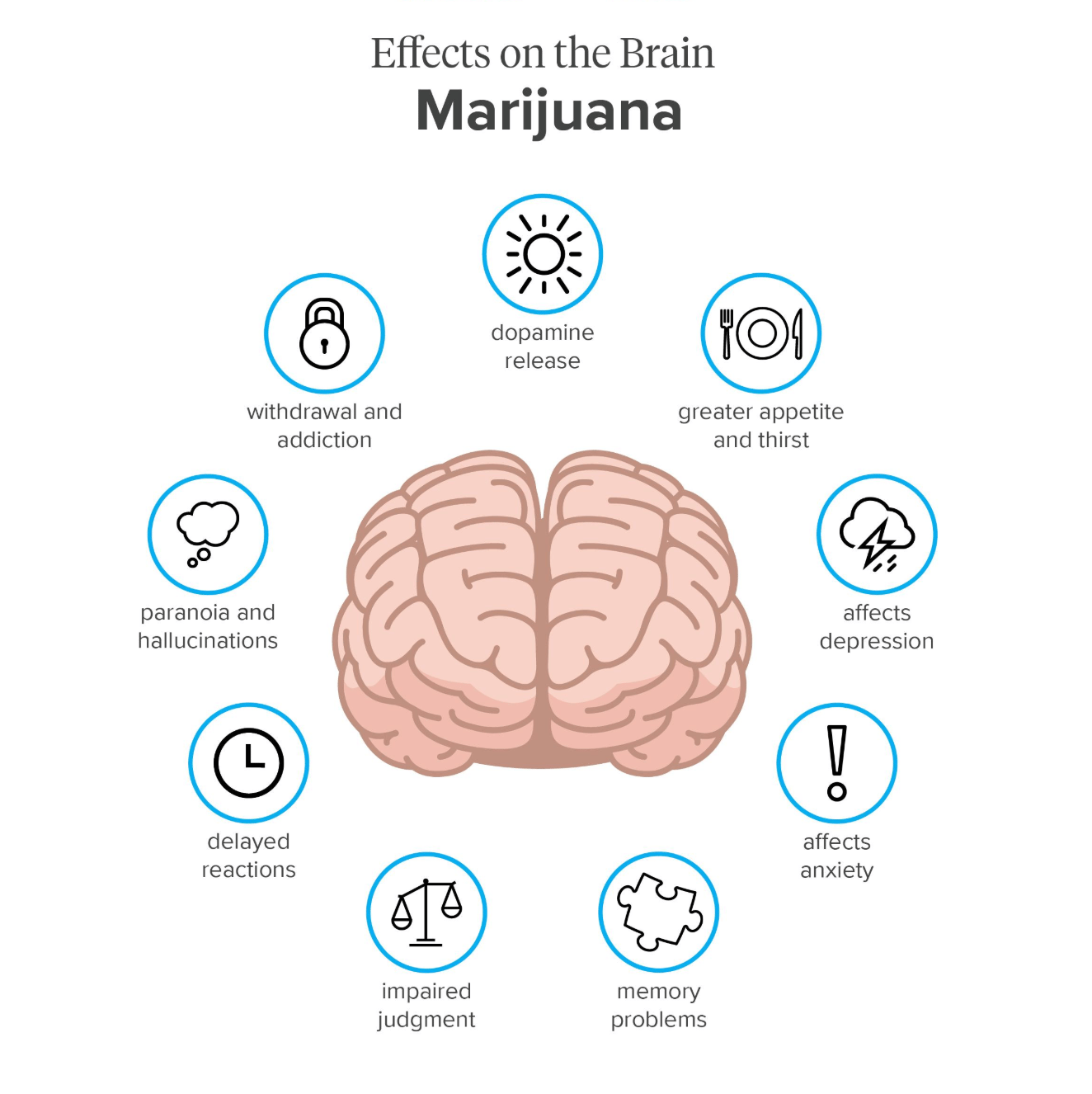
Mental Health Considerations Cannabis use can trigger or worsen anxiety and panic attacks in some individuals, particularly with high THC strains 🧠. Regular heavy use has been associated with increased risk of depression and anxiety disorders, though causation versus correlation remains debated in research.
Most concerning is the link between frequent cannabis use during adolescence and increased risk of developing psychotic disorders like schizophrenia 📈. Young people with family history of mental illness face the highest risk.
Age Group | Risk Level | Key Concerns | Recommendations |
|---|---|---|---|
Under 18 | Very High | Brain development, psychosis risk | Avoid use entirely |
18-25 | High | Mental health, dependency | Use cautiously, limit frequency |
25-65 | Moderate | Respiratory if smoked | Choose non-smoking methods |
Over 65 | Variable | Drug interactions | Consult healthcare provider |
Dependency and Withdrawal About 9% of cannabis users develop cannabis use disorder, characterized by inability to stop despite negative consequences 🚫. While less addictive than alcohol or nicotine, cannabis withdrawal can cause irritability, sleep problems, decreased appetite, and anxiety for 1 to 2 weeks after stopping.

Making Informed Decisions About Cannabis Use
Consider Your Risk Profile Evaluate your personal and family history of mental health issues, substance use problems, and current medications 📝. People with anxiety disorders, bipolar disorder, or family history of psychosis should approach cannabis with extra caution.
Start Low and Go Slow If you choose to try cannabis, begin with products containing 2.5 to 5 mg of THC or less 🎯. Wait at least 2 hours before taking more with edibles. Keep detailed notes about products, doses, and effects to identify what works best for your body.
Choose Quality Products In legal markets, purchase from licensed dispensaries that provide lab testing results for potency and contaminants 🔬. Avoid products with pesticides, heavy metals, or unknown additives that could pose additional health risks.
Conclusion
Cannabis research reveals a complex picture of both significant medical benefits and real health risks 🔍. The evidence supports medical cannabis for specific conditions like chronic pain, epilepsy, and chemotherapy side effects, but recreational use requires careful consideration of individual risk factors.
As legalization continues expanding globally, evidence based information becomes crucial for both policymakers and individuals making personal health decisions 🌍. The key lies in understanding that cannabis affects everyone differently and what works safely for one person may pose risks for another.
Fact-based news without bias awaits. Make 1440 your choice today.
Overwhelmed by biased news? Cut through the clutter and get straight facts with your daily 1440 digest. From politics to sports, join millions who start their day informed.
Take-Home Summary
Cannabis shows proven benefits for chronic pain, epilepsy, and chemotherapy side effects with FDA approved medications available
Smoking cannabis poses respiratory risks similar to tobacco, but vaporizing and edibles avoid lung damage
Mental health risks are highest for adolescents and people with family history of psychotic disorders
About 9% of users develop cannabis dependency, with withdrawal symptoms lasting 1 to 2 weeks
THC causes intoxication and mental health risks while CBD provides therapeutic benefits without psychoactive effects
Individual factors including genetics, age, and mental health history significantly influence cannabis effects
Quality matters in legal markets, choose lab tested products from licensed dispensaries to avoid contaminants
Reply