- Aeviva
- Posts
- 3 Things You Need to Know About Losing Weight Before You Start
3 Things You Need to Know About Losing Weight Before You Start
The Truth About Weight Loss That Fitness Gurus Never Tell You

In partnership with

You take your daily vitamins and protein powder thinking you're supporting your health and performance. But what if those innocent looking supplements could end your athletic career with a positive drug test?
Many athletes discover too late that common supplements contain banned substances or ingredients that metabolize into prohibited compounds 💊. Even supplements labeled as "natural" or "clean" can trigger positive tests for steroids, stimulants, or other banned substances.
The supplement industry operates with minimal regulation, and contamination during manufacturing is surprisingly common 🏭. Athletes at all levels need to understand which supplements pose doping risks before it's too late.
Trusted by millions. Actually enjoyed by them too.

Most business news feels like homework. Morning Brew feels like a cheat sheet. Quick hits on business, tech, and finance—sharp enough to make sense, snappy enough to make you smile.
Try the newsletter for free and see why it’s the go-to for over 4 million professionals every morning.
Check it out
1) The Simple Math That Rules Everything
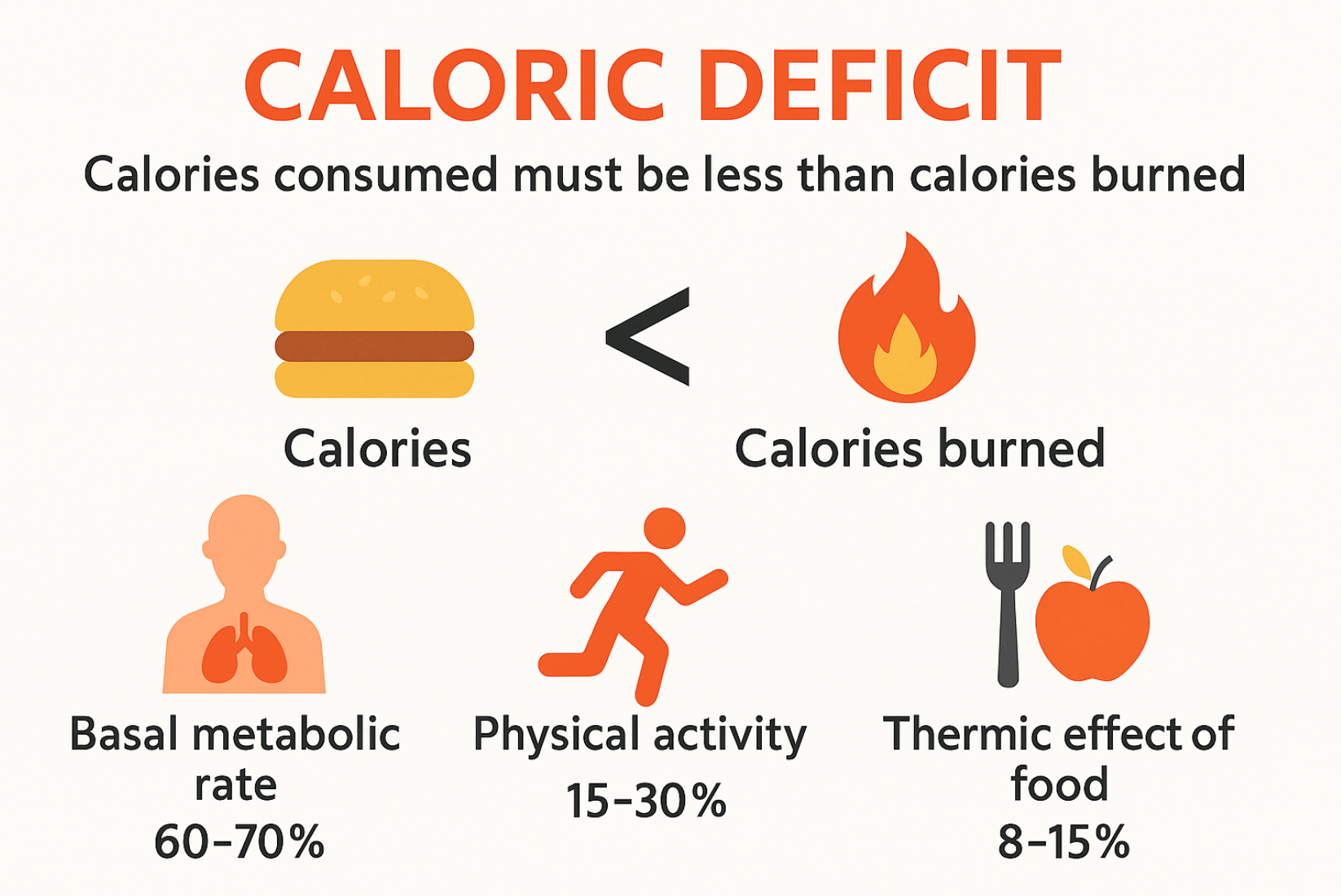
Calories In < Calories Out = Weight Loss
Weight loss comes down to one unbreakable equation that governs every successful transformation 🧮. Calories consumed must be less than calories burned. This is called a caloric deficit, and without it, no diet or exercise program will work.
Your body burns calories through three main processes. Your (1) basal metabolic rate accounts for 60 to 70% of daily calorie burn and includes basic functions like breathing, circulation, and organ function 🫁.
(2) Physical activity including both exercise and daily movement makes up 15 to 30% of calorie burn. (3) The thermic effect of food, which is the energy cost of digesting and processing what you eat, accounts for about 8 to 15% of total burn.
Fun Fact: Your brain alone burns about 400 to 500 calories per day just to function, which is roughly equivalent to a 45 minute moderate intensity workout.
Most people drastically underestimate how many calories they consume and overestimate how many they burn through exercise 📊.
Food tracking apps show that people typically underreport their calorie intake by 20 to 40%. Meanwhile, fitness trackers often overestimate calorie burn from exercise by similar amounts.
1
2) Why Food Matters More Than Exercise
Exercise plays a supporting role in weight loss, but food choices determine success or failure 🍽️.
Consider this example: If you eat 4,000 calories in a day but your body only needs 2,500 calories to maintain your current weight, you have a surplus of 1,500 calories 🏃. A 10km run might burn around 600 to 800 calories depending on your weight and pace. Even with that exercise, you still have a surplus of 700 to 900 calories, which means weight gain.
Activity | Time Required | Calories Burned | Food Equivalent |
|---|---|---|---|
Walking | 1 hour | 300 calories | 1 slice of pizza |
Running | 30 minutes | 400 calories | 1 donut |
Cycling | 45 minutes | 500 calories | 1 fast food burger |
Weight lifting | 1 hour | 250 calories | 1 candy bar |
Exercise should be viewed as a way to increase your total daily calorie burn, not as permission to eat more 💪.
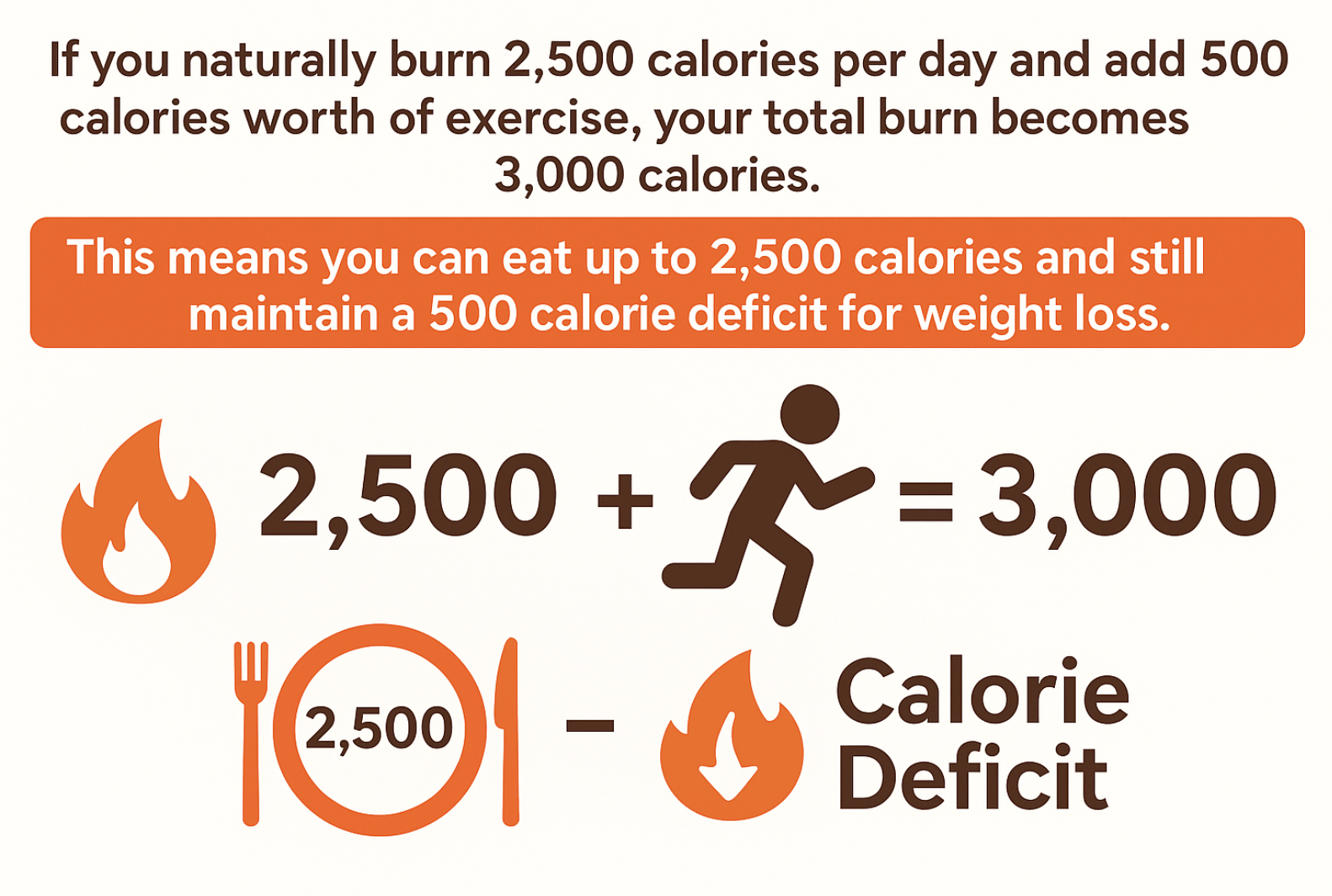
The most successful weight loss approaches focus 80% on food choices and 20% on exercise 🥗.
This doesn't mean exercise is unimportant.
Exercise provides crucial benefits including muscle preservation during weight loss, improved insulin sensitivity, better mood, and increased overall health.
3) Your Metabolism Isn't Broken
Many people blame a slow metabolism for their inability to lose weight, but metabolic damage is far less common than people think 🔥. Your metabolism adapts to prolonged calorie restriction, but it rarely breaks completely.
Metabolic adaptation is your body's natural response to weight loss and calorie restriction 📉. As you lose weight, your body requires fewer calories to function because there's simply less tissue to maintain.
A 200 pound person burns more calories at rest than a 150 pound person purely due to body size differences.
Additionally, your body becomes more efficient during calorie restriction ⚡. It may reduce non exercise activity thermogenesis, which includes small movements like fidgeting, maintaining posture, and other unconscious activities.
Hormone levels also shift to promote energy conservation and increase hunger signals.
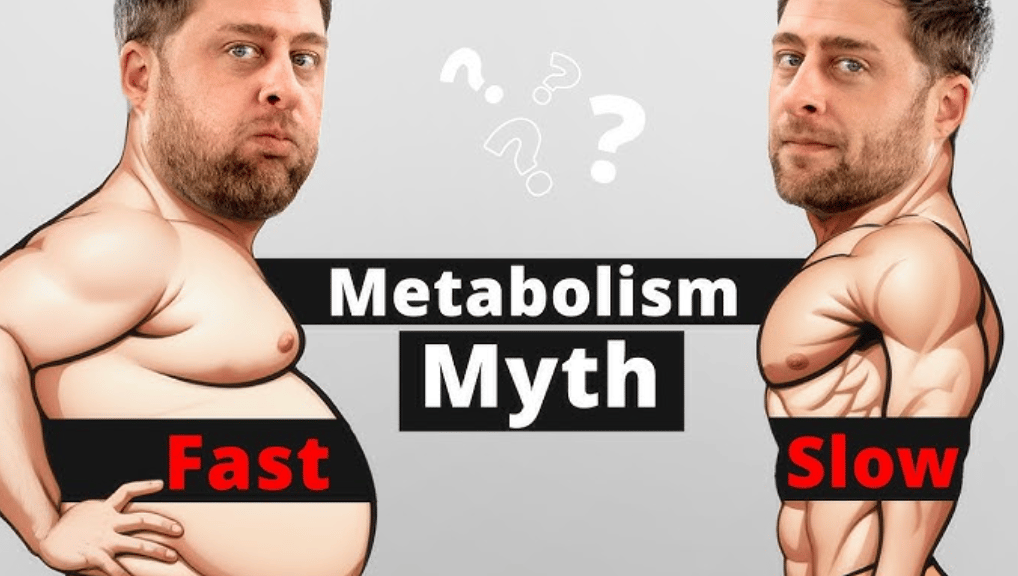
Fun Fact: Studies show that people who have lost significant weight burn about 100 to 150 fewer calories per day than people of the same weight who were never overweight, but this difference is much smaller than most people expect.
Conclusion
Successful weight loss requires understanding and applying these three fundamental principles 🏆. The caloric deficit equation cannot be ignored or bypassed through special diets or exercise programs. Food choices have far more impact on weight loss than exercise, though both play important roles in overall health.
Your metabolism will adapt to weight loss, but this doesn't mean it's broken or that further progress is impossible 💪. Working with these natural processes rather than against them leads to sustainable results and long term success.
Skip the complicated programs and focus on mastering these basics first. Every successful weight loss transformation, regardless of the specific method used, follows these same fundamental principles.
Seeking impartial news? Meet 1440.
Every day, 3.5 million readers turn to 1440 for their factual news. We sift through 100+ sources to bring you a complete summary of politics, global events, business, and culture, all in a brief 5-minute email. Enjoy an impartial news experience.
Take-Home Summary
Caloric deficit is the only way to lose weight, calories in must be less than calories out
Food choices matter more than exercise for weight loss, with the ideal split being 80% diet and 20% exercise
Exercise helps increase total daily calorie burn but cannot overcome poor food choices
Metabolic adaptation is normal during weight loss but rarely represents permanent damage
A moderate deficit of 500 calories per day typically produces 1 pound of weight loss per week
Sustainable weight loss requires realistic expectations and understanding of basic physiology
Focus on mastering these fundamentals before trying complex diet or exercise programs
Reply