- Aeviva
- Posts
- The Hidden Truth About Testing Your Vitamin Levels at Home Without Blood Work
The Hidden Truth About Testing Your Vitamin Levels at Home Without Blood Work
Discover 10 simple home tests that reveal your nutrient status with surprising accuracy
In partnership with

Think you need expensive lab tests to know if you're deficient in key vitamins and minerals? Your body is constantly sending signals about its nutritional status through physical signs and symptoms you can observe at home.
While these tests won't replace professional medical advice, they can give you valuable insights into potential deficiencies before they become serious problems. Most people assume they're getting enough nutrients from their diet, but research shows that up to 90% of adults are deficient in at least one essential vitamin or mineral 💊.
This Serum Reduces Wrinkles in Just 10 Minutes!

Medik8's best-selling Liquid Peptides Advanced MP face serum is clinically proven to diminish the appearance of expression lines in 10 minutes & deep-set wrinkles in 8 weeks*. Powered by a breakthrough peptide technology, Dual MiniProteins™, to target the foundation of visible wrinkles.
*Proven via independent clinical study on Liquid Peptides Advanced MP tested on 34 participants at 10 minutes & 8 weeks
What Your Body Is Trying to Tell You About Nutrient Deficiencies
Nutrient deficiencies develop gradually over time 📉. Your body has sophisticated backup systems that can mask early signs, but once these reserves are depleted, symptoms become more obvious. The modern food system, soil depletion, and processed foods have created widespread nutritional gaps 🌱.
The good news is that your body provides clear signals when it needs specific nutrients. Learning to read these signs can help you address deficiencies before they impact your health, energy, or mood.
Fun Fact: The average person uses about 2 grams of creatine daily just for basic cellular functions, which is more than what most people take as a supplement.
These tests work by observing your body's physical responses, appearance changes, and functional markers that correlate with specific nutrient levels. While not as precise as blood tests, studies have shown many of these indicators have strong correlations with lab confirmed deficiencies 🧪. The key is looking for patterns and combinations of signs rather than relying on any single test.
10 Quick At-Home Tests for Essential Nutrients
Vitamin D: The Spoon Test Press firmly on your breastbone with the rounded end of a large spoon for 10 seconds 🥄. If this causes significant pain or tenderness, it may indicate vitamin D deficiency affecting bone mineralization. Low vitamin D reduces calcium absorption, leading to bone softness and tenderness.
Iron: The Eye Test Pull down your lower eyelid and examine the color 👁️. Healthy eyelids should be bright pink or red. Pale, white, or very light pink color suggests possible iron deficiency anemia. Iron deficiency reduces red blood cell production, causing pallor in mucous membranes.
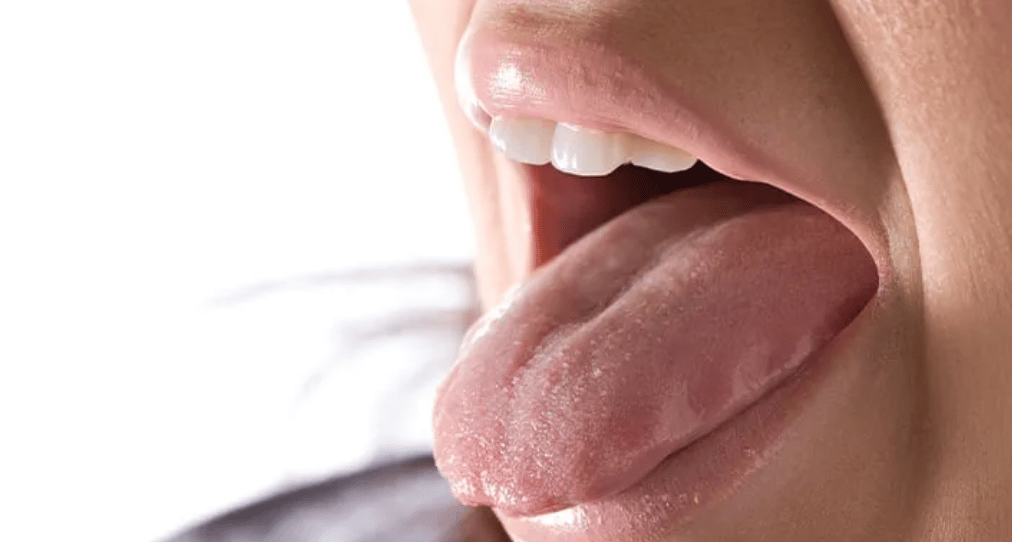
B12: The Tongue Check Look at your tongue in a mirror 👅. A smooth, glossy, or unusually red tongue can indicate B12 deficiency. Healthy tongues have small bumps called papillae and a slightly rough texture. B12 deficiency causes inflammation and changes in tongue tissue structure.
Magnesium: The Muscle Test Sit with your leg extended and have someone tap the area just below your kneecap with their knuckle 🦵. An exaggerated or prolonged knee jerk response may suggest magnesium deficiency. Magnesium regulates nerve and muscle function, and deficiency increases neuromuscular excitability.
Zinc: The Taste Test Mix 1 teaspoon of zinc sulfate powder in half a cup of water 💧. Take a small sip and hold it in your mouth. If you taste nothing or very little, you may be zinc deficient. Adequate zinc levels produce an immediate strong, unpleasant metallic taste because zinc is essential for taste bud function.
Fun Fact: Humans are the only species that regularly drinks milk from other animals and continues consuming milk products into adulthood.
Vitamin C: The Capillary Test Wrap a blood pressure cuff around your upper arm and inflate to 100 mmHg for 5 minutes 🩸. Remove the cuff and examine your forearm for small red spots called petechiae. More than 10 spots may indicate vitamin C deficiency. Vitamin C strengthens blood vessel walls, and deficiency causes capillary fragility.
Folate: The Nail Analysis Examine your fingernails for vertical ridges, white spots, or brittleness 💅. While many factors affect nail health, these signs combined with fatigue may suggest folate deficiency. Folate is crucial for cell division and DNA synthesis, affecting rapidly growing tissues like nails.
Vitamin A: The Night Vision Test In a dimly lit room, cover one eye and focus on an object, then cover the other eye 🌙. If you have difficulty adjusting to low light or see poorly in dim conditions, this may indicate vitamin A deficiency. Vitamin A is essential for rhodopsin production, which enables night vision.
Potassium: The Blood Pressure Check If you have a home blood pressure monitor, check your levels 🔢. Consistently high readings above 130/80, especially if you don't consume much processed food, may indicate potassium deficiency. Potassium helps regulate blood pressure, and deficiency can contribute to hypertension.
Calcium: The Muscle Cramp Test Pay attention to muscle cramps, especially in your calves at night 🌜. Frequent, painful cramps without obvious cause like dehydration or overexertion may suggest calcium deficiency. Calcium is essential for muscle contraction, and deficiency causes abnormal muscle contractions.
Your Personal Nutrient Assessment
Complete this quick assessment to identify your highest priority nutrients:
Energy and Fatigue Symptoms:
Tired despite adequate sleep could indicate iron, B12, or vitamin D deficiency
Afternoon energy crashes might suggest magnesium or B vitamin issues
Consistently low energy often points to multiple deficiencies
Physical Signs to Watch For:
Pale skin, nails, or inner eyelids suggest iron deficiency
Muscle cramps or twitches indicate magnesium, potassium, or calcium needs
Slow wound healing points to zinc or vitamin C deficiency
Dry, flaky skin suggests vitamin A or essential fatty acid deficiency
Brittle or ridged nails indicate multiple mineral deficiencies
Fun Fact: About 68% of the world's population has some degree of lactose intolerance, meaning they can't properly digest the sugar in milk called lactose.
The more symptoms you have in each category, the higher the likelihood of deficiencies in those nutrients 📊. These patterns can guide you toward the most important areas to address first.
Conclusion
Your body is remarkably intelligent at signaling its nutritional needs 🧠. These 10 home tests give you practical tools to tune into those signals and take proactive steps toward optimal health. Remember that nutrition is highly individual, and deficiencies often occur in combinations rather than isolation.
Use these tests as starting points for deeper investigation and discussion with healthcare providers. The goal isn't perfect nutrition, but rather awareness and gradual improvement based on what your body is telling you.
Seeking impartial news? Meet 1440.
Every day, 3.5 million readers turn to 1440 for their factual news. We sift through 100+ sources to bring you a complete summary of politics, global events, business, and culture, all in a brief 5-minute email. Enjoy an impartial news experience.
Take-Home Summary
Home nutrient tests can provide valuable insights into your vitamin and mineral status without expensive lab work
Look for patterns and combinations of signs rather than relying on single indicators
The spoon test for vitamin D, eye test for iron, and tongue check for B12 are among the most reliable home assessments
Physical signs like muscle cramps, pale eyelids, and taste changes often correlate with specific deficiencies
These tests work best as screening tools to identify potential issues before they become serious
Professional testing is recommended when multiple home tests suggest deficiencies or symptoms are severe
Your body constantly signals its nutritional needs through observable changes in appearance and function
Reply