- Aeviva
- Posts
- Plant vs. Animal Protein: Which Is Better for Longevity?
Plant vs. Animal Protein: Which Is Better for Longevity?
Discover the surprising truth about which protein sources actually help you live longer and healthier.
The protein debate has raged for decades, but recent longevity research is revealing surprising truths 🔬. While bodybuilders swear by whey protein and steak lovers praise their ribeye, the science of aging tells a different story 📊. Your protein choices today might determine how many healthy years you have ahead 🕐.
This isn't about short-term muscle gains or weight loss. This is about the long game of life itself.
Fact-based news without bias awaits. Make 1440 your choice today.

Overwhelmed by biased news? Cut through the clutter and get straight facts with your daily 1440 digest. From politics to sports, join millions who start their day informed.
The Longevity Protein Connection
Protein quality affects cellular aging at the most fundamental level 🧬. Different protein sources trigger varying responses in your body's aging pathways, particularly something called mTOR activation ⚡. This cellular pathway controls growth and repair, but chronic over-activation can actually speed up aging 🏃.
Animal proteins tend to activate mTOR more aggressively than plant proteins 💪. While this sounds good for muscle building, it might not be ideal for longevity.
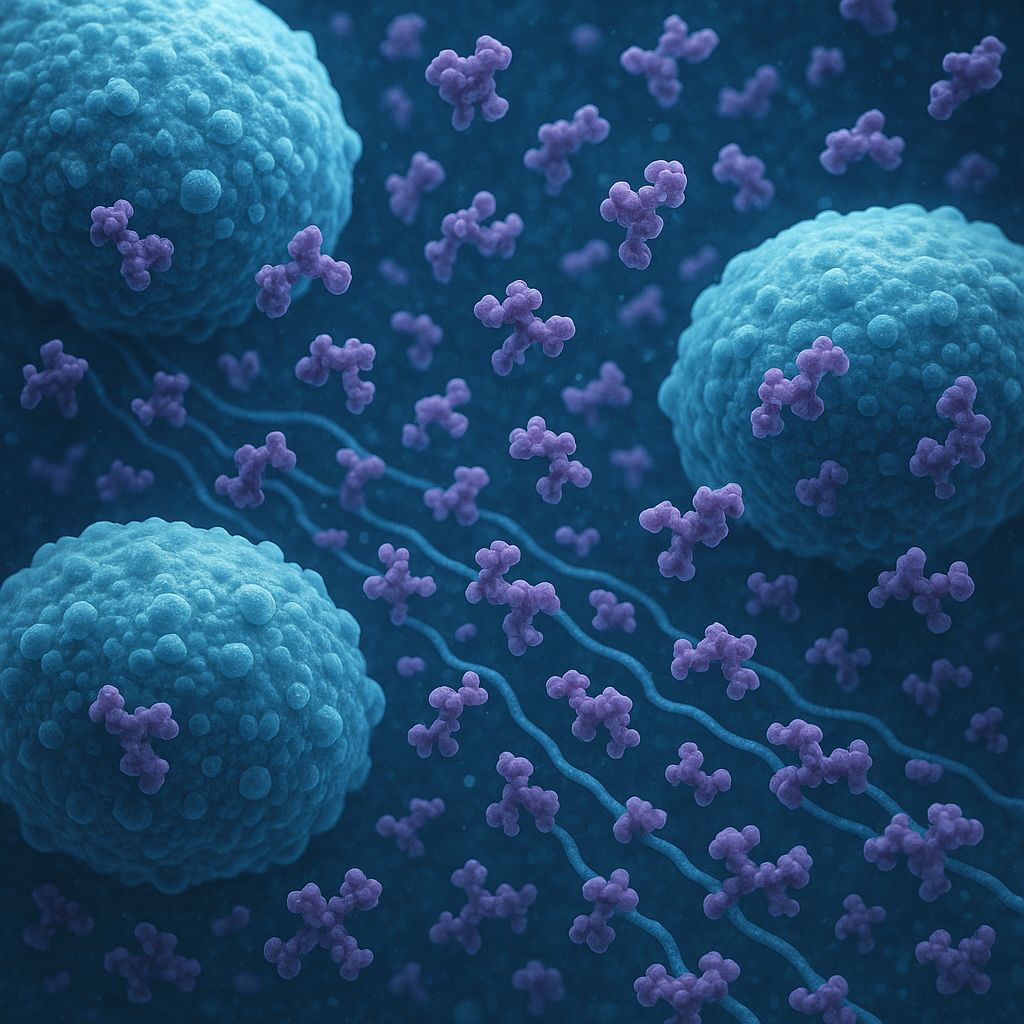
Visual examples of Proteins in Cells
What Science Says About Plant Protein
Plant proteins contain unique longevity compounds that go beyond just amino acids 🌿. They're packed with antioxidants, fiber, and phytonutrients that work synergistically to protect your cells 🛡️. Studies consistently show that higher plant protein intake correlates with longer lifespans and lower disease rates 📈.
The Harvard Nurses' Health Study followed over 130,000 people for 30 years and found something remarkable. Replacing just 3% of animal protein calories with plant protein reduced mortality risk by 10% 🎯.
💡 Fun fact: Legumes contain compounds called saponins that may help prevent cancer and support immune function, benefits you won't find in animal proteins.
The Animal Protein Reality Check
Animal proteins aren't inherently bad, but they come with biological baggage 🎒. Red meat and processed meats contain compounds like heme iron and nitrates that can promote inflammation and oxidative stress 🔥. These processes are directly linked to accelerated aging and chronic disease development 🏥.
However, not all animal proteins are created equal. Fish and poultry show neutral to positive effects on longevity, especially when they replace red meat in the diet 🐟. The key is choosing the right sources and amounts.
💡 Studies indicate that each daily serving of red meat increases mortality risk by 13%, while processed meats increase it by 20%.
The Amino Acid Complete Myth

Many people worry that plant proteins are incomplete amino acid sources 🧩. This concern is largely outdated and overblown 📰. Your body maintains an amino acid pool throughout the day, and eating a variety of plant proteins easily meets all essential amino acid needs 🌈.
The real advantage might actually favor plants. Plant protein blends often provide better amino acid ratios for longevity than single animal sources 🎭. Combining legumes with grains creates profiles that support healthy aging without triggering excessive mTOR activation.
Quality vs. Quantity Matters
The longevity sweet spot seems to be moderate protein intake from high-quality sources 🎯. Too little protein accelerates muscle loss and frailty, while too much, especially from animal sources, may shorten lifespan ⚖️. Most longevity researchers recommend 0.8-1.2 grams per kilogram of body weight 📏.
Protein timing also plays a role in healthy aging ⏰. Spreading intake throughout the day supports better muscle protein synthesis and metabolic health than consuming large amounts in single meals.
💡 Research reveals that people who get 70% or more of their protein from plants live an average of 2.5 years longer than heavy meat eaters.
The Inflammation Factor
Plant proteins come with built-in anti-inflammatory compounds that animal proteins lack 🌿. Chronic inflammation is one of the primary drivers of aging and age-related diseases 🔥. Every time you choose plant over animal protein, you're potentially reducing inflammatory markers in your blood 🩸.
This doesn't mean you need to go completely plant-based, but shifting the ratio toward plants appears beneficial for longevity 📊.
The Longevity Protein Comparison
Protein Source | Longevity Impact | Key Benefits | Considerations |
|---|---|---|---|
Legumes 🫘 | Very Positive | Fiber, antioxidants, saponins | Combine with grains |
Fish 🐟 | Positive | Omega-3s, complete amino acids | Choose low-mercury options |
Nuts/Seeds 🥜 | Very Positive | Healthy fats, vitamin E | High calorie density |
Poultry 🐔 | Neutral | Complete protein, B vitamins | Choose organic when possible |
Red Meat 🥩 | Negative | Iron, B12 | Limit to 2-3 servings weekly |
Processed Meat 🌭 | Very Negative | Convenient protein | Strongly linked to shorter lifespan |
Take-Home Summary
The longevity advantage goes to plant proteins 🏆. While you don't need to eliminate animal proteins entirely, shifting toward a more plant-forward approach appears optimal for healthy aging 🌱.
Focus on variety, moderate amounts, and combining different plant sources throughout the day ⏰.
Small shifts toward plant proteins can yield significant longevity benefits over time 📈.
The goal isn't perfection but progress in your protein choices.
Reply