- Aeviva
- Posts
- 5 Proven Ways to Lower Your Cortisol Naturally
5 Proven Ways to Lower Your Cortisol Naturally
Chronic stress floods your body with cortisol. These are the simple, science-backed ways to bring it back down and feel like yourself again.
In partnership with

Cortisol is often called the “stress hormone,” but the story is more complex. Your body needs cortisol to survive. It regulates your sleep-wake cycle, fuels your metabolism, keeps inflammation in check, and helps you respond to danger. But when stress becomes chronic, cortisol stays elevated and that’s where problems begin.
High cortisol over time is linked to fatigue, anxiety, weight gain (especially around the belly), poor sleep, brain fog, and a weakened immune system. The good news? You don’t need to rely on pharmaceuticals to manage it. There are natural, clinically proven strategies that help reduce cortisol levels and rebalance your body’s stress response.

Cortisol
You’re doing breakfast wrong

Let’s face it—most breakfast options just don’t cut it.
Toast? Too light. Cereal? Mostly sugar. Skipping it altogether? Not ideal.
If you want real fuel to power your day, it’s time to upgrade to Huel Black Edition. This ready-in-seconds shake is packed with 40g of plant-based protein, 27 essential vitamins & minerals, and 0 artificial sweeteners—just science-backed nutrition to support your muscles, digestion, and more.
Oh, and did we mention? It’s delicious.
Right now, first-time customers get 15% off, plus a free t-shirt and shaker with code HUELSPRING, for orders over $75.
1. Get Consistent, Restorative Sleep
Sleep is your body’s reset button, and it has a major impact on cortisol regulation. Poor or inconsistent sleep increases cortisol secretion, and in turn, elevated cortisol disrupts deep sleep—creating a vicious cycle. Studies show that even one night of sleep deprivation can spike cortisol the next day.
Aim for 7 to 9 hours of uninterrupted sleep every night. The quality of your sleep matters just as much as the quantity. Keep your bedroom dark, cool, and screen-free, and avoid caffeine after early afternoon. Try winding down with calming activities like reading or stretching 30 minutes before bed.

2. Exercise—But Keep It Balanced
Physical activity is one of the most powerful tools for lowering cortisol. Moderate exercise reduces cortisol and improves mood by increasing endorphins and lowering inflammation. But there’s a catch—too much high-intensity training without recovery can do the opposite.
Research shows that while strength training and cardio help regulate cortisol over time, excessive HIIT or overtraining may actually raise cortisol and contribute to fatigue or burnout. The best approach is to move regularly and listen to your body. Walking, yoga, strength training, and swimming are all great choices.
3. Eat in a Way That Supports Hormonal Stability
What you eat directly impacts your cortisol levels. Diets high in refined sugar, trans fats, and caffeine can keep cortisol high and disrupt your metabolism. On the other hand, a nutrient-dense diet focused on whole foods supports hormonal balance and reduces stress markers in the body.
The Mediterranean diet has been studied for its effects on cortisol and inflammation. Prioritize leafy greens, berries, legumes, fatty fish, nuts, olive oil, and whole grains. Nutrients like omega-3 fatty acids, magnesium, and vitamin C are particularly helpful in regulating the HPA axis—the brain-body circuit that controls cortisol.
Include foods like salmon, pumpkin seeds, spinach, kefir, turmeric, and dark chocolate in moderation. These are known to calm the nervous system and reduce oxidative stress.
4. Practice Daily Mindfulness and Breathwork
Mindfulness doesn’t have to mean meditating for an hour. Even a few minutes a day of focused breathing can significantly lower cortisol. Mindfulness practices work by calming the sympathetic nervous system—the part of your body responsible for fight-or-flight reactions—and activating the parasympathetic system, which supports rest, digestion, and recovery.
Deep breathing, progressive muscle relaxation, guided meditation, and grounding techniques have all been shown to reduce cortisol levels. The 4-7-8 breath is a simple method to try: inhale for 4 seconds, hold for 7, and exhale slowly for 8. Practicing this before bed or during stressful moments can help reset your nervous system.
5. Use Targeted Supplements When Needed
Several natural supplements have been studied for their ability to reduce cortisol levels and support stress resilience. These include:
Ashwagandha: An adaptogen that helps the body adapt to stress. Clinical trials have shown that it can significantly reduce cortisol in people with chronic stress.
Magnesium: A mineral that helps regulate neurotransmitters, calm the nervous system, and improve sleep quality. Deficiency is linked to elevated cortisol and anxiety.
Omega-3 Fatty Acids: Found in fish oil, these help lower inflammation and regulate mood, with research suggesting they can decrease stress-induced cortisol production.
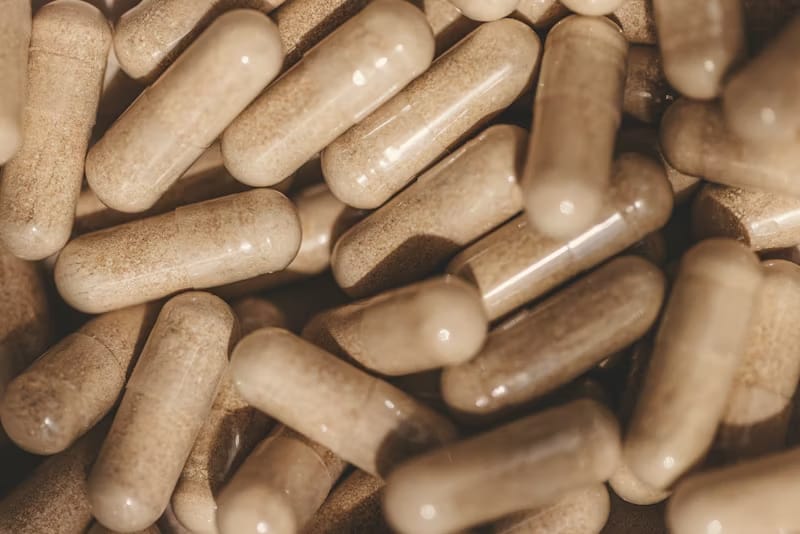
Always consult a healthcare provider before starting new supplements, especially if you’re taking medication or managing chronic conditions.
Daily News for Curious Minds
Be the smartest person in the room by reading 1440! Dive into 1440, where 4 million Americans find their daily, fact-based news fix. We navigate through 100+ sources to deliver a comprehensive roundup from every corner of the internet – politics, global events, business, and culture, all in a quick, 5-minute newsletter. It's completely free and devoid of bias or political influence, ensuring you get the facts straight. Subscribe to 1440 today.
Chronic stress is part of modern life—but burnout, anxiety, and hormonal imbalance don’t have to be. Lowering cortisol naturally isn’t about perfection or total relaxation. It’s about building small, daily habits that give your body the signal: you’re safe, you can rest, you don’t need to stay in fight-or-flight mode.
Sleep well, move your body, feed it what it needs, and take a few breaths before reacting. The results build up slowly—but they are powerful.
Take-Home Summary
• Poor sleep increases cortisol—prioritize deep, consistent rest every night
• Regular, moderate exercise lowers stress hormones and improves resilience
• A whole-food, anti-inflammatory diet helps regulate cortisol and energy levels
• Mindfulness and breathing techniques calm your nervous system in minutes
• Natural supplements like ashwagandha, magnesium, and omega-3s offer added support
Reply