- Aeviva
- Posts
- Here's how allergies work
Here's how allergies work
Itching, swelling, sneezing—your immune system is behind it all. Here's what allergies really are, and why they affect only some people.
In partnership with

Most of us think of allergies as an annoyance—something triggered by pollen in the spring or a peanut in a snack. But behind the itching, swelling, or sneezing is a deeply complex process happening inside your body. Allergies are not caused by the allergen itself, but by how your immune system mistakes something harmless for something dangerous and launches a full defensive reaction.
Whether it's hay fever or food allergy, the underlying biology is remarkably similar: your immune cells are misfiring. And while symptoms can range from mild to life-threatening, they all come down to the same type of overreaction.
Take the edge off naturally.
These Enhanced Relief Gummies deliver powerful plant-based relaxation—no alcohol, no hangover. 5mg THC + 75mg CBD.
Use code RLX25 to save 25% on your first order and experience why this product has over 48k 5-star reviews.
What Is an Allergy?
An allergy is a type of hypersensitivity, meaning your immune system is responding too strongly to something that shouldn’t trigger a reaction in the first place. These substances are called allergens, and they can be anything from pollen, dust mites, and pet dander to food proteins like those in peanuts or milk.
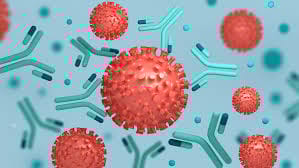
In allergic individuals, the body produces a specific type of antibody called IgE (immunoglobulin E). Antibodies are like flags that the immune system uses to recognize and attack foreign substances. But in this case, the “enemy” is something entirely safe—and the immune system's reaction is what causes the symptoms.
What Is Sensitization?
Allergic reactions don’t usually happen the first time you’re exposed to something. The first time your body encounters an allergen, it goes through a process called sensitization. This means your immune system takes note of the substance and wrongly decides it’s dangerous. It then starts making IgE antibodies specifically designed to recognize that allergen in the future.
These antibodies attach themselves to immune cells called mast cells and basophils, which sit in places like your skin, airways, nose, and digestive tract. These cells are like landmines—primed and ready. You won’t feel anything at this point, but your body is now "armed" for the next exposure.
💡 Fun fact
Mast cells are especially concentrated in areas that interact with the outside world—your skin, lungs, and gut—which is why allergies so often affect those parts of the body.
What Happens During an Allergic Reaction
When you’re exposed to the allergen again—whether it’s pollen in the air or a bite of shellfish—the allergen binds to the IgE antibodies already sitting on your mast cells. This activates the mast cells, causing them to release a flood of chemical messengers.
The most well-known of these is histamine, which causes blood vessels to widen and leak fluid into tissues, leading to swelling, redness, itching, or mucus production. Other chemicals, like prostaglandins and leukotrienes, make the inflammation worse and can cause symptoms like wheezing or diarrhea.
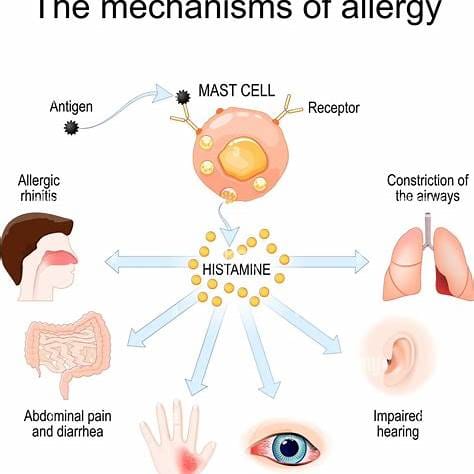
All of these chemicals are designed to protect you in case of a real threat. But in an allergy, there is no threat—just your body going into unnecessary defense mode.
Why Do Some People Have Allergies and Others Don’t?
Genetics play a big role. If you have a family history of asthma, eczema, or allergies (a group known as atopic conditions), your risk is higher. But the environment matters, too.
Children raised in ultra-clean environments, for example, are more likely to develop allergies. This supports the hygiene hypothesis, which suggests that without early exposure to bacteria, viruses, and dirt, the immune system doesn’t learn how to respond properly—and ends up overreacting to harmless things later in life. Gut health, birth method (vaginal vs cesarean), and antibiotic use in early years can also affect immune development.
Food Allergies: Same Mechanism, Different Organs
Food allergies use the exact same immune process but often affect the gut, skin, or airways instead of the nose or eyes. When your immune system wrongly identifies a food protein as dangerous—like gluten, milk casein, or peanut proteins—it activates mast cells and releases histamine and other chemicals.
The result can be anything from nausea, abdominal cramps, and itchy rashes to a severe, life-threatening reaction known as anaphylaxis, which causes airway swelling and a dangerous drop in blood pressure.
It’s important to separate food allergies from food intolerances. Intolerances, like lactose intolerance, don’t involve the immune system at all and are caused by missing enzymes, not immune reactions.
You’re doing breakfast wrong

Let’s face it—most breakfast options just don’t cut it.
Toast? Too light. Cereal? Mostly sugar. Skipping it altogether? Not ideal.
If you want real fuel to power your day, it’s time to upgrade to Huel Black Edition. This ready-in-seconds shake is packed with 40g of plant-based protein, 27 essential vitamins & minerals, and 0 artificial sweeteners—just science-backed nutrition to support your muscles, digestion, and more.
Oh, and did we mention? It’s delicious.
Right now, first-time customers get 15% off, plus a free t-shirt and shaker with code HUELSPRING, for orders over $75.
Allergies are a result of your immune system being too good at its job—too reactive, too alert, too quick to attack. The actual allergen doesn’t cause the damage. Your immune response does.
Understanding what happens at the cellular level not only makes allergies less mysterious—it also helps you take smarter steps to manage them. Treatments like antihistamines, nasal steroids, or even immunotherapy (where you’re gradually desensitized to allergens) all work by calming this misdirected immune fire.
Your body isn’t broken. It just needs help learning not to panic.
Take-Home Summary
• Allergies are immune overreactions to harmless substances like pollen or food proteins
• The process begins with sensitization, when your immune system "tags" a substance as dangerous
• Mast cells, activated by IgE antibodies, release histamine and other chemicals that cause symptoms
• Genetics and early-life environment both shape your allergy risk
• Food allergies follow the same mechanism but can be more severe
• Treatments focus on calming the immune system, not targeting the allergen
Reply