- Aeviva
- Posts
- Do We Really Want to Live Forever
Do We Really Want to Live Forever
Biohackers are chasing immortality, but aging is more than just a number—it’s biology, evolution, and risk 🧬🧠
Biohackers like Bryan Johnson are spending millions to reverse the clock—tracking every biomarker, swapping blood with younger donors, and consuming stacks of pills to slow aging. His goal? A body that stays 18 forever.
But behind the glossy headlines and YouTube thumbnails lies a harder question: do we really want to live forever, or are we just afraid to age?
Because the truth is, aging isn’t just about looking older. It’s about what happens inside your body—and the diseases that show up with time.
Biological Age vs Chronological Age
Let’s get one thing clear: not all aging is equal.
Chronological age is the number on your ID.
Biological age is how old your cells, tissues, and organs actually are.
Thanks to science, we now know it’s possible to be 60 years old chronologically, but 46 biologically—if you’ve lived in a way that protects your systems: eating clean, sleeping well, managing stress, training smart.
But on the flip side, someone can be 32 and biologically older than their parents—due to inflammation, stress, bad sleep, and metabolic dysfunction.

Biohacking today isn’t about time machines—it’s about slowing down biological aging so you get more years of feeling good.
Why Do We Age
The real reason we age has little to do with looks. Aging is programmed into the system. It’s biology.
Here’s what happens as we get older:
Protein production slows down → less muscle, more fat, weaker skin
Cell repair systems decline → more DNA damage, slower healing
Mitochondria lose power → energy crashes, fatigue, lower endurance
Immune function weakens → higher risk of infection, slower recovery
Inflammation increases → known as “inflammaging,” a silent driver of disease
Why? From an evolutionary standpoint, your body wasn’t designed to last forever. Natural selection stops caring once you’ve reproduced. Everything after that? Maintenance mode.
And the longer we push the machine, the more it breaks down.
The Disease Problem With Living Longer
Here’s where it gets uncomfortable. We can slow biological aging—but we can’t fully escape the system. And the longer we live, the more we expose ourselves to age-related diseases.
Let’s look at the data:
Alzheimer’s disease: Currently, 1 in 9 people over 65 has it. But if people lived significantly longer, over 60% could eventually develop it—according to researchers at the Alzheimer’s Association.
Cardiovascular disease: Arterial stiffness, heart failure, and stroke all increase with age.
Osteoporosis: Bone density drops, fractures rise.
Cancer: Risk goes up as DNA repair slows down.
Type 2 Diabetes: Insulin sensitivity declines, even in people who eat “clean.”
Parkinson’s, macular degeneration, sarcopenia—all start ticking upward in your 60s and beyond.
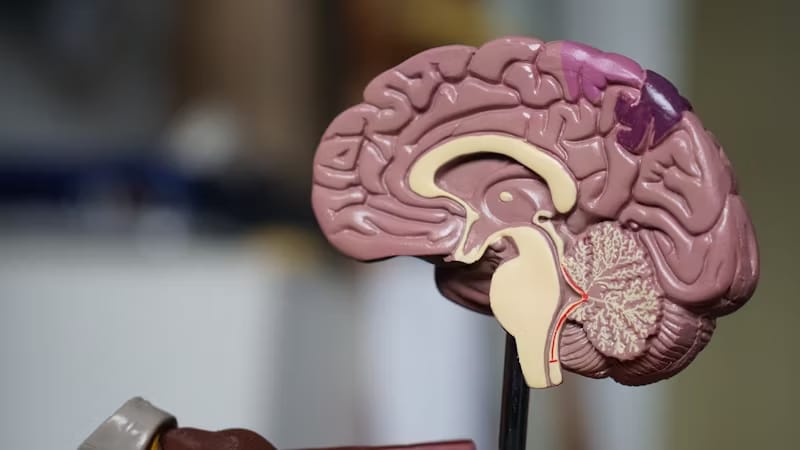
So if we live to 120, we’re not just getting more birthdays—we’re increasing our risk of spending decades in mental or physical decline.
It’s not about if disease shows up, but how long you can push it off—and what kind of life you’re living when it does.
But Aging Doesn’t Have to Be Miserable
Here’s the part that matters: You don’t have to fear aging. You just have to do it differently.
You can’t completely avoid wrinkles, slower metabolism, or occasional memory slips.
But you can slow biological aging and dramatically change how aging feels.
Here’s what works:
Train your brain
Learn new skills, challenge your memory, journal, read more, speak out loud. Brain activity keeps the neuroplasticity switch on.Sleep like your life depends on it
Because it does. Deep sleep restores hormonal balance, clears metabolic waste from the brain, and supports memory.

Move with intention
Resistance training maintains muscle mass, mobility, and metabolism. It also supports insulin sensitivity and brain health.Eat like it matters
Protein. Healthy fats. Fiber. Antioxidants. Polyphenols. Your mitochondria need fuel—give them quality.Fix how you look—for you
Skincare, posture work, hair health, or even simple grooming. Feeling confident in the mirror can lift energy, reduce cortisol, and improve self-regulation.Push your limits
Controlled discomfort—cold, heat, fasting, challenge. Your body is designed to adapt. When you give it pressure, it responds with power.
This isn’t about anti-aging creams or biohacking your way into robot status. It’s about showing up stronger as time goes on—mentally, physically, emotionally.
Interactive Section: Quick Self-Check

Would you choose to live to 120 if it meant spending the last 30 years with a high risk of Alzheimer’s or physical decline?
[ ] Yes, I’ll take the time
[ ] No, quality matters more than quantity
[ ] Only if I stay sharp
[ ] Never thought about it until now
💬 Hit reply and tell us—what does aging well mean to you?
We all want more life—but what we really want is better life. More years that matter.
Living forever sounds exciting, but it comes with baggage—longer exposure to disease, more years of decline unless you actively fight against it.
So don’t chase longevity blindly.
Chase vitality, clarity, strength.
If that brings more years, even better.
If not—you’ll still live well.
Take-Home Summary
Biological age reflects your body’s condition—not your birthday
Aging is natural and rooted in lower cell function, protein production, and immune response
Living longer means greater risk of Alzheimer’s, cancer, and other diseases
But lifestyle changes can help delay those risks and improve quality of life
The goal isn’t forever—it’s to stay sharp, strong, and present for as long as possible
Reply