- Aeviva
- Posts
- 5 Essential Minerals Your Body Can’t Live Without
5 Essential Minerals Your Body Can’t Live Without
Your body relies on these five key minerals to function properly—supporting everything from energy production to brain function, muscle strength, and bone health. But one deficiency is more dangerous than the rest.
In partnership with

Minerals are the building blocks of life—essential for muscle function, nerve signaling, hydration, and even DNA synthesis. Unlike vitamins, minerals can’t be produced by your body, meaning you must get them from food or supplements.
A deficiency in any of these five essential minerals can lead to serious health problems, but one in particular is the most dangerous to lack—leading to fatigue, heart complications, and even organ failure.
Should You Add These to Your Skincare Routine?

About three months ago, I discovered Pique’s Radiant Skin Duo and put it to the test. Within weeks, I saw results no topical product had ever delivered. My skin became clearer, brighter, and deeply hydrated—glowing from within!
The turning point? People started commenting on my skin. The only thing I had changed? Pique’s drinkable skincare!
The Radiant Skin Duo is an inside-out approach to radiance:
☀️ Sun Goddess Matcha – Rich in EGCG antioxidants, it helps firm, brighten, and clarify skin while supporting gut health. Plus, it’s quadruple-toxin screened for purity.
💧 BT Fountain – This beauty electrolyte hydrates at a cellular level, smooths fine lines, and enhances glow with clinically proven ceramides.
This simple ritual is effortless yet transformative. And for a limited time, get 20% off + a FREE Starter Kit here.
Here’s to glowing skin—from within!
1. Magnesium: The Master Mineral for Relaxation and Energy
Magnesium is crucial for over 300 biochemical reactions in the body. It regulates nerve and muscle function, keeps the heart rhythm steady, and helps convert food into energy. Magnesium deficiency can cause muscle cramps, anxiety, poor sleep, and fatigue.
Best sources of magnesium:
Dark leafy greens (spinach, kale)
Nuts and seeds (almonds, pumpkin seeds)
Avocados and bananas
Dark chocolate
💡 Fun Fact: Magnesium deficiency is linked to higher stress levels and insomnia. Many people notice deeper sleep after increasing their magnesium intake.
2. Calcium: The Foundation of Strong Bones and Muscles
Calcium is best known for supporting bone strength, but it also plays a role in muscle contraction, nerve signaling, and blood clotting. Without enough calcium, bones weaken over time, leading to osteoporosis and muscle dysfunction.
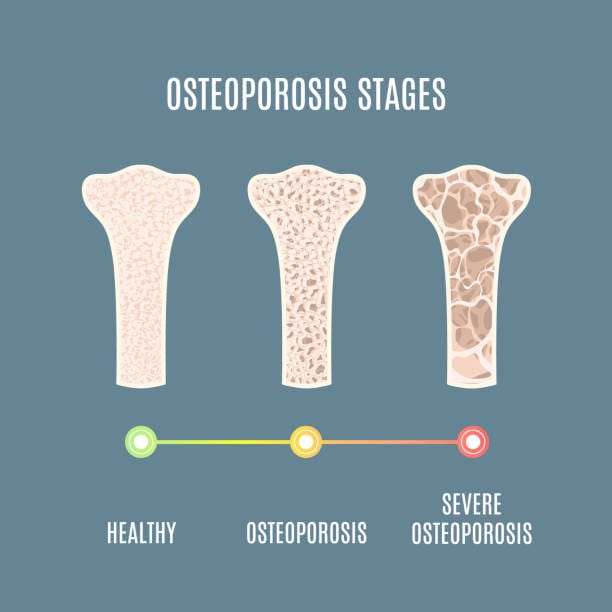
Best sources of calcium:
Dairy products (milk, cheese, yogurt)
Leafy greens (collard greens, bok choy)
Sardines and canned salmon (with bones)
Fortified plant-based milks
💡 Fun Fact: Your body stores 99% of its calcium in bones and teeth, but if you don’t get enough from your diet, your body steals it from your bones, weakening them over time.
3. Potassium: The Most Dangerous Mineral to Lack
Among all essential minerals, potassium deficiency is the most dangerous. Potassium helps regulate fluid balance, nerve function, and muscle contractions—including the heartbeat.
Low potassium levels (hypokalemia) can cause irregular heart rhythms, muscle weakness, paralysis, and even cardiac arrest. It also plays a major role in reducing the effects of high sodium intake.
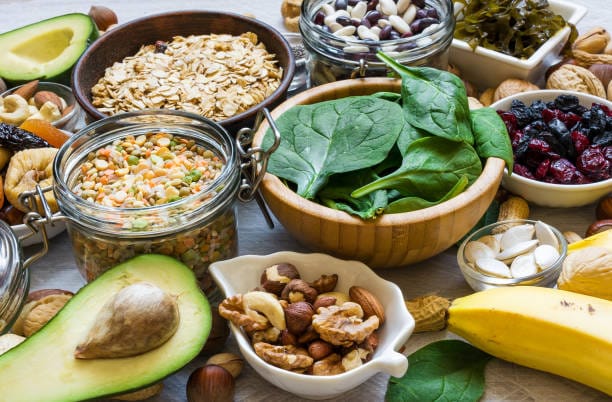
Best sources of potassium:
Bananas and oranges
Sweet potatoes
Beans and lentils
Spinach and avocado
💡 Fun Fact: Most people get too much sodium but not enough potassium, which can increase blood pressure. Keeping a proper balance between the two is key for heart health.
4. Iron: The Oxygen Carrier for Energy and Strength
Iron is critical for producing hemoglobin, the protein in red blood cells that carries oxygen. Without enough iron, your body struggles to deliver oxygen to muscles and organs, leading to fatigue, weakness, and brain fog.
Best sources of iron:
Red meat and liver
Lentils and chickpeas
Spinach and tofu
Pumpkin seeds
💡 Fun Fact: Vitamin C greatly increases iron absorption. Eating iron-rich foods with citrus fruits can boost absorption by up to 67%!
5. Sodium: The Most Misunderstood Mineral
Sodium is essential for hydration, nerve signaling, and blood pressure regulation—but balance is key. Too little sodium can be just as dangerous as too much.
Too much sodium (hypernatremia) can lead to high blood pressure, bloating, and increased risk of heart disease.
Too little sodium (hyponatremia) can cause muscle cramps, confusion, dizziness, and even seizures.
Best sources of sodium (in balanced amounts):
Sea salt and Himalayan salt
Electrolyte-rich foods (coconut water, tomatoes)
Naturally salty foods (seaweed, olives, fermented foods)
💡 Fun Fact: Athletes and people on low-carb diets often need MORE sodium, as sweating and lower insulin levels cause sodium loss.
The Sleep App That Forbes Rated 5 Stars 😱

The app Forbes said helps "users achieve high-quality sleep by creating and maintaining effective sleep routines” is back with new sounds and features!
Now featuring over 300 unique sounds to fall asleep to, a personalized sleep tracker and more. It’s no wonder over 65 million people have downloaded this app for better sleep.
Try it tonight 👇
Which of these statements are true?

A) Too much sodium is always bad for you.
B) Magnesium helps with sleep and relaxation.
C) Potassium deficiency can cause heart problems.
D) Iron is only needed for energy.
(Answer: B and C! Sodium is necessary in the right amounts, and iron plays a role in more than just energy.)
Minerals are the foundation of health, yet many people don’t get enough of the ones that matter most.
While all of these five essential minerals are critical, potassium and sodium require the most careful balance. Too little potassium can cause heart problems, and too little sodium can be life-threatening.
If you struggle with fatigue, muscle cramps, irregular heartbeat, or blood pressure issues, checking your mineral intake might be the key to feeling better.
💡 Fun Fact: The average human body contains about 250 grams (half a pound) of salt—enough to fill three or four saltshakers!
Which of these minerals do you focus on in your diet?
Magnesium supports energy, relaxation, and over 300 body functions.
Calcium is essential for strong bones and muscle contractions.
Potassium is the most dangerous mineral to lack—low levels can cause heart problems.
Iron carries oxygen through the blood and prevents fatigue.
Sodium is essential for hydration and nerve function, but balance is key.
Reply