- Aeviva
- Posts
- Music Is Not Entertainment. It Is One of the Most Powerful Drugs Your Brain Knows.
Music Is Not Entertainment. It Is One of the Most Powerful Drugs Your Brain Knows.
It triggers the same reward circuits as food, sex, and drugs. It lowers cortisol. It rewires your brain over time. And most people treat it as background noise.

In partnership with

Estimated Read Time: 6 minutes
Think about the last time a song stopped you in your tracks.
Maybe it gave you chills. Maybe it changed your mood in thirty seconds flat. Maybe it pulled up a memory from fifteen years ago with a precision no photograph could match.
That is not sentiment. That is neuroscience.
Music is one of the most powerful inputs the human brain can receive. It activates more brain regions simultaneously than almost any other stimulus. It triggers measurable hormonal changes. It physically rewires the brain with regular exposure.
And almost everyone is underusing it.
Today's Issue
Main Topic: The science of what daily music listening does to your mental health, from the neurochemistry of the dopamine rush to the long-term structural changes in the brain, with a look at what types of music produce which effects and how to actually use it deliberately
Subtitles:
The dopamine and chills connection: why music feels like a drug (because it is)
Cortisol, the vagus nerve, and stress: how music physically calms your nervous system
Music and the brain over time: neuroplasticity, memory, and cognitive protection
Depression, anxiety, and music therapy: what the clinical trials actually show
How to use music deliberately: what the research says about genre, timing, and method
Abstract: Music listening activates the mesocorticolimbic reward system, the same brain circuit involved in food, sex, and addictive substances, through dopamine release in the nucleus accumbens (NAc) and ventral tegmental area (VTA). Using PET (positron emission tomography) scanning with a dopamine-specific radiotracer, researchers confirmed dopamine release in both the ventral and dorsal striatum during peak emotional responses to music, particularly during "chills" (also called musical frisson), which represent the maximum emotional arousal point. Dopamine release begins during anticipation of an emotional musical moment, not just during the moment itself, suggesting music engages predictive reward mechanisms similar to those involved in other powerfully motivating stimuli. Music also activates the cholinergic anti-inflammatory pathway via vagal stimulation, reduces cortisol (the primary stress hormone), lowers heart rate and blood pressure, and shifts brain activity toward parasympathetic (calm, rest-and-digest) dominance. A scoping review of 34 studies found that music, particularly classical and self-selected pieces, effectively reduces physiological stress markers including cortisol, HRV (heart rate variability), and blood pressure. A 2021 meta-analysis of 32 controlled studies with over 1,900 patients showed significant anxiety reduction after an average of 7.5 music therapy sessions (standardized mean difference, SMD, of 0.36), comparable to first-line psychotherapies and pharmacotherapies.
Why Burned-Out Professionals Are Turning to CBD
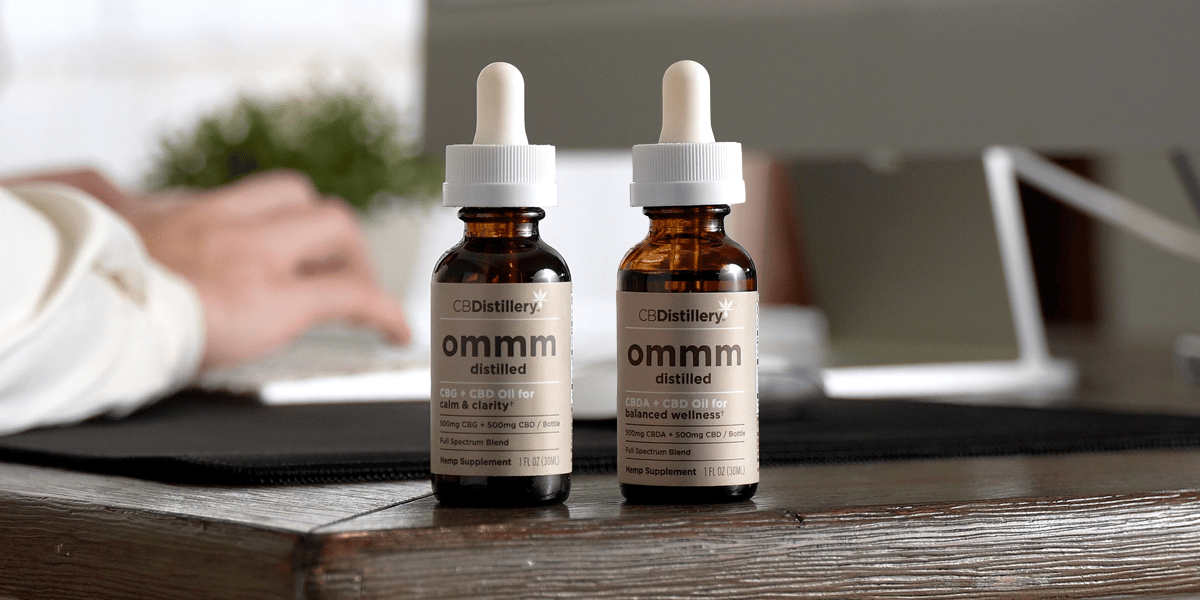
Long hours, heavy workloads and frustrating coworkers: job burnout is on the rise. Savvy professionals are turning to CBD and its sister compound, CBG, to manage work stress and burnout without losing focus.
Like CBD, CBG is a non-intoxicating compound found naturally in the hemp plant that is known for helping to manage mild/temporary anxiety. And these benefits are backed by science: participants in a 2022 CBDistillery study who took CBD + CBG reported:
Reduced mild or temporary anxiety and tension
Increased focus and mental clarity
That CBD + CBG was more effective than other treatments they tried in the past
When it comes to quality CBD products, CBDistillery is leading the way. Non-GMO, US-grown hemp, 100% clean ingredients, and a 60-day satisfaction guarantee give you one less thing to stress about.
Special Deal for Our Readers: Use code FOCUS to save an additional 20% on your first bundle order!
1. The Dopamine and Chills Connection: Why Music Feels Like a Drug (Because It Is) 🎵🧠
You know that feeling when a song hits perfectly and you get goosebumps?
It has a name: musical frisson (from the French word for shiver). And the science behind it is extraordinary.
The result: music triggers dopamine release in the nucleus accumbens (the brain's primary reward center, also called NAc) and the ventral tegmental area. These are the exact same regions that light up during eating, sex, and drug use.

nucleus accumbens
Music does not have any nutritional value. It poses no survival threat. It requires no physical action.
And yet it activates the same ancient reward circuits as the most powerful biological motivators your brain knows.
The finding that surprised researchers even more: dopamine starts releasing before the peak emotional moment, during the anticipation phase. Your brain predicts the chills are coming and begins rewarding you in advance. This is the same predictive reward mechanism involved in addiction, which is partly why certain songs are so hard to stop playing.
Not everyone gets chills from music. Studies suggest around 55-75% of people experience musical frisson, and it correlates with a personality trait called openness to experience (a tendency to be curious, imaginative, and emotionally perceptive).
People who get chills tend to have stronger connections between the auditory and emotional processing areas of the brain.
💡 Fun Fact: Researchers tested whether blocking opioid receptors (the same receptors involved in painkiller and heroin effects) would reduce music-induced pleasure. When participants took naltrexone (a drug that blocks these receptors) before listening, their emotional responses to music were measurably blunted. This suggests music activates not only dopamine but also the brain's natural opioid system, the same system that makes social bonding and physical touch feel rewarding.
2. Cortisol, the Vagus Nerve, and Stress: How Music Physically Calms Your Nervous System 🎧💆
The mental health benefits of music are not just emotional. They are hormonal and physiological.
Cortisol is the body's primary stress hormone. Chronically elevated cortisol is associated with anxiety, poor sleep, impaired immune function, and accelerated cognitive decline.
Multiple controlled trials have confirmed that music listening measurably reduces salivary cortisol levels. A study of patients with generalized anxiety disorder found a 45% reduction in cortisol after four weeks of guided music listening.
A scoping review of 34 studies confirmed that music, particularly classical and personally chosen music, consistently reduces cortisol, lowers blood pressure, and improves heart rate variability (HRV, a measure of how well your nervous system is regulating itself).
The mechanism involves the vagus nerve (the long nerve that runs from the brainstem through the neck, chest, and abdomen, and regulates the body's calm-and-recover response).
One important nuance: not all music calms. Research shows fast-paced techno and high-stress music can actually increase cortisol, adrenaline, and stress hormones. Music in a major key (which sounds brighter and happier) tends to lower cortisol more than minor key music.

3. Music and the Brain Over Time: Neuroplasticity, Memory, and Cognitive Protection 🔬🧩
Neuroplasticity is the brain's ability to physically rewire itself in response to experience, forming new connections, strengthening existing ones, and even growing new grey matter (brain tissue) in regions that are frequently activated.
Regular music listening drives neuroplastic changes in multiple brain regions.
The hippocampus (the brain region responsible for forming and retrieving memories) shows denser grey matter in people who regularly engage with music.
This explains why music and memory are so powerfully intertwined.
Pleasurable music enhances memory encoding through dopamine release, which signals to the brain "this is worth remembering." The emotional charge carried by music makes memories stored alongside it more vivid and more durable.
For older adults, the evidence is particularly striking. Music listening has been shown to trigger autobiographical memories (personal memories from one's own life) in people with early-stage dementia who can no longer recall recent events.
The neural pathways for music-associated memory appear to be among the last affected by neurodegeneration, making music one of the most preserved cognitive and emotional bridges even in advanced cognitive decline.
Regular Music Listening Effect | Brain Region Affected | Practical Outcome |
|---|---|---|
Increased grey matter density | Hippocampus (memory center) | Stronger memory formation and recall |
Stronger auditory-frontal connectivity | Prefrontal cortex + auditory cortex | Better emotional regulation |
Enhanced reward pathway engagement | Nucleus accumbens, VTA | Improved mood, motivation, resilience |
Cortical entrainment (brain waves syncing to rhythm) | Broad cortical networks | Improved focus and attention |
Preserved autobiographical memory circuits | Hippocampus, medial temporal lobe | Cognitive protection against age-related decline |
4. Depression, Anxiety, and Music Therapy: What the Clinical Trials Actually Show 📊🎼
Music therapy, which involves structured use of music guided by a trained therapist, should not be confused with casually listening to music. But the research on both is genuinely impressive.
For anxiety:
A 2021 meta-analysis (a study that combines the results of many other studies to get a more reliable picture) pooled data from 32 controlled trials with over 1,900 patients. The results showed significant anxiety reduction after an average of just 7.5 music therapy sessions. The effect size (a measure of how large the improvement is, called SMD) was 0.36, placing it in the same range as first-line psychotherapy and antidepressant medication for anxiety.
With more sessions (more than 12), the effect strengthened to an SMD of 0.59.
For depression:
A 2017 meta-analysis of 9 studies in patients with diagnosed depressive disorder found that adding 6 to 12 weeks of music therapy to existing antidepressants and psychotherapy significantly reduced symptoms. The SMD was 0.98 based on clinician ratings and 0.85 based on patient self-report. These are large effect sizes by clinical standards.
A 2024 study published in Frontiers in Psychology found that patients with depression showed increased activity in the prefrontal cortex (the brain region responsible for reasoning, planning, and emotional regulation) after just eight weeks of structured music therapy sessions.

For everyday listeners (not in therapy):
The optimal music listening duration for mood improvement appears to be around 30 minutes per day. Studies suggest a minimum of 2 to 4 weeks of consistent daily listening to produce measurable, lasting changes in mood and anxiety markers. The research is consistent on one point: passive background listening produces smaller effects than intentional, engaged listening.
💡 Fun Fact: Research has confirmed that sad music can improve mood rather than worsen it. This counterintuitive finding holds because sad music allows people to experience difficult emotions in a safe, controlled context. The brain registers "sad but safe," which produces catharsis (emotional release) and, paradoxically, feelings of calm and wellbeing. This is partly why sad songs are among the most emotionally important in most people's personal playlists.
5. How to Use Music Deliberately: What the Research Says About Genre, Timing, and Method 🎯🎶
Most people listen to music reactively. It comes on in the background. They do not choose it intentionally. They are not fully listening.
The research suggests this significantly reduces the mental health benefit.
Here is what the evidence says about deliberate use.
For stress reduction and cortisol lowering: Slow tempo (60 to 80 beats per minute), major key, personally meaningful music produces the most consistent results. Classical music shows the strongest evidence across studies, but self-selected music (whatever you personally find calming) often outperforms researcher-selected music because the emotional resonance is higher. Aim for 20 to 30 minutes, in a quiet setting, without multitasking.
For mood improvement and dopamine: Personally meaningful music that you genuinely enjoy, not music you think you should enjoy. Familiarity matters: familiar songs activate predictive dopamine release (the anticipation mechanism) more strongly than unfamiliar ones.

A playlist you know deeply will likely produce a stronger mood response than a curated "mood-boosting" playlist you have never heard.
For focus and cognitive performance: Moderate tempo instrumental music works best for most people. Lyrics interfere with language-dependent tasks. The so-called "Mozart effect" (the idea that classical music boosts intelligence) was overstated, but there is real evidence that background instrumental music at moderate volume improves focus and reduces mental fatigue during repetitive tasks.
For sleep: Slow, calming music (around 60 beats per minute, matching resting heart rate) listened to for 45 minutes before sleep consistently reduces sleep onset time (the time it takes to fall asleep) and improves sleep quality in multiple clinical populations. This is partly through cortisol reduction and partly through the parasympathetic activation triggered by the vagal pathways music engages.
The most important rule: Intentional listening beats background listening on every measure studied. Engaging actively with music, whether by focusing on specific instruments, the emotional journey of a piece, or the lyrics, produces stronger neurological, hormonal, and psychological responses than treating it as ambient sound.
Takeaways
Music triggers dopamine release in the nucleus accumbens (the brain's reward center) through the same mesocorticolimbic pathway activated by food, sex, and addictive substances, confirmed via PET scanning; "musical chills" represent the peak of this response and also activate the brain's natural opioid system, with dopamine beginning to release during the anticipation of an emotional musical moment before it even arrives, explaining why certain songs feel compulsive and why music is among the most reliable non-pharmacological reward stimuli available to humans daily.
Music physically shifts the nervous system toward parasympathetic (calm, rest-and-digest) dominance via vagal activation, producing a documented 45% reduction in cortisol in anxiety patients over four weeks of guided listening; a 2021 meta-analysis of 32 trials with 1,900+ patients found music therapy produced anxiety reductions comparable in effect size to first-line psychotherapy and medication, while long-term regular listening builds denser grey matter in the hippocampus (memory center), strengthens prefrontal-auditory connectivity for better emotional regulation, and preserves autobiographical memory circuits that are among the last affected by cognitive decline.
Intentional engaged listening produces meaningfully stronger effects than background passive listening across all mental health measures studied; optimal parameters for stress reduction are slow tempo (60-80 BPM), major key, personally meaningful music for 20-30 minutes in a focused setting; for depression and mood, familiar personally loved music outperforms researcher-curated playlists because familiarity enhances predictive dopamine release, and 30 minutes of daily intentional listening for a minimum of 2-4 weeks shows measurable, lasting changes in mood and anxiety markers.
Feedback & Sponsorship
What'd you think of this week's newsletter? Hit reply to let us know. Did we crush it? Blow your mind? We read every response.
Want your brand in front of hundreds of thousands of readers? Contact us for sponsorship opportunities [email protected]
Want more where that came from? Head to our website
Reply