- Aeviva
- Posts
- Your Liver Works 24/7 - These 5 Supplements Actually Help It
Your Liver Works 24/7 - These 5 Supplements Actually Help It
Not a cleanse. Not a teatox. This is what liver science actually recommends.

In partnership with

Estimated Read Time: 6 minutes
The word "detox" has been so thoroughly hijacked by juice brands and Instagram wellness gurus that most people have stopped taking it seriously.
That's a problem, because real detoxification is happening in your liver right now, processing every medication you've taken, every glass of wine, every environmental toxin you've breathed in, and every metabolic byproduct your cells produce.
And there are supplements that genuinely support it, backed by clinical trials, not 5-day cleanses.
Today's Issue
Main Topic: The five supplements with real scientific backing for liver detox support, how each one works at the biochemical level, what the clinical evidence actually says, and how to combine them intelligently
Subtitles:
First: why "detox" isn't a scam, but your liver does it, not a juice
NAC: the supplement hospitals use for liver emergencies
Milk thistle (silymarin): 2,000 years of use, now confirmed by meta-analysis
TUDCA: the bile acid your liver actually makes, now in a capsule
Glutathione: the master antioxidant (and why you can't just swallow it)
Berberine: the sleeper supplement that outperformed a diabetes drug in one trial
Abstract: The liver performs over 500 functions daily and processes toxins through a two-phase biochemical system: Phase I uses cytochrome P450 enzymes to convert fat-soluble toxins into reactive intermediates, while Phase II conjugates those intermediates with amino acids, sulfur groups, or glucuronic acid to make them water-soluble for elimination via bile or urine. Critically, Phase I can generate more toxic intermediates than the original compound if Phase II pathways are under-supported, making antioxidant and conjugation support the primary leverage point for supplementation. N-Acetyl Cysteine (NAC, 600mg) is a direct precursor to glutathione, the dominant Phase II conjugation molecule, and is the standard hospital treatment for acetaminophen overdose due to its ability to rapidly restore hepatic glutathione. Silymarin, the active flavonolignan complex in milk thistle (Silybum marianum), stabilizes hepatocyte membranes against toxin penetration, upregulates glutathione synthesis, and has been confirmed across meta-analysis of 73 RCTs to significantly reduce ALT (standardized mean difference -0.73) and AST (-0.56), key markers of liver cell stress. Tauroursodeoxycholic acid (TUDCA, 250-1750mg) is a naturally occurring water-soluble bile acid that reduces endoplasmic reticulum (ER) stress in hepatocytes, improves bile flow, prevents hepatocyte apoptosis, and in a randomized controlled trial of 20 obese adults improved hepatic insulin sensitivity by 30% at 1750mg/day over 4 weeks.
Why Burned-Out Professionals Are Turning to CBD
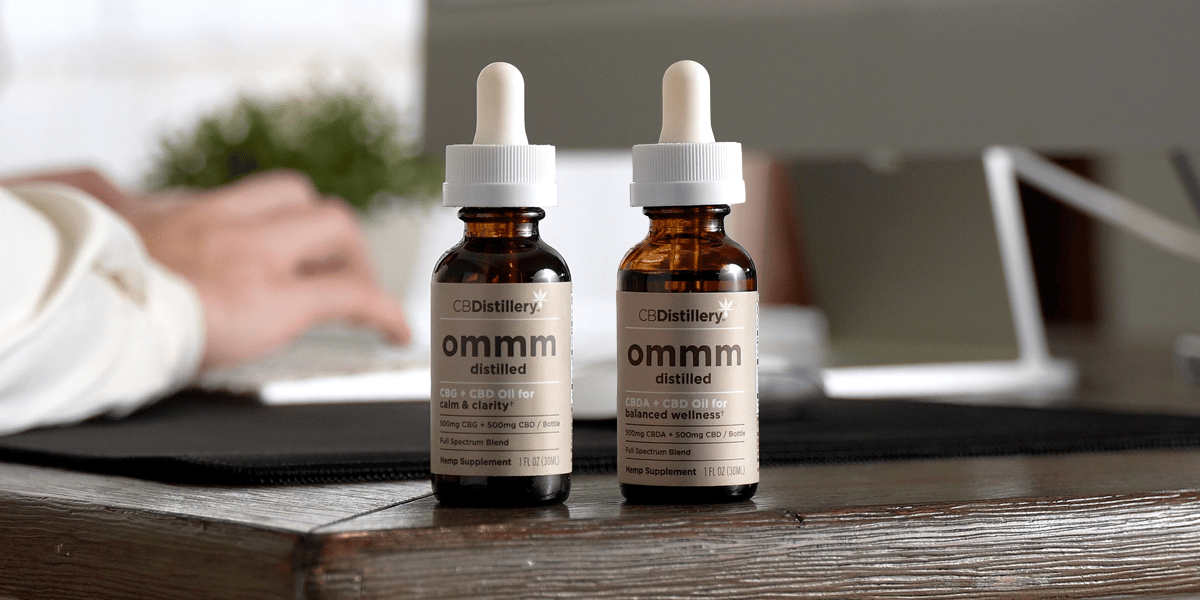
Long hours, heavy workloads and frustrating coworkers: job burnout is on the rise. Savvy professionals are turning to CBD and its sister compound, CBG, to manage work stress and burnout without losing focus.
Like CBD, CBG is a non-intoxicating compound found naturally in the hemp plant that is known for helping to manage mild/temporary anxiety. And these benefits are backed by science: participants in a 2022 CBDistillery study who took CBD + CBG reported:
Reduced mild or temporary anxiety and tension
Increased focus and mental clarity
That CBD + CBG was more effective than other treatments they tried in the past
When it comes to quality CBD products, CBDistillery is leading the way. Non-GMO, US-grown hemp, 100% clean ingredients, and a 60-day satisfaction guarantee give you one less thing to stress about.
Special Deal for Our Readers: Use code FOCUS to save an additional 20% on your first bundle order!
1. First: Why "Detox" Isn't a Scam — But Your Liver Does It, Not a Juice 🧪🔬
Before anyone can talk intelligently about detox supplements, one thing needs to be said plainly: your liver already detoxifies you, every single minute of every day. No juice cleanse, no charcoal lemonade, and no 5-day "reset" does this. Your liver does.
Here is how it actually works. Detoxification happens in two phases.
Phase I uses a family of enzymes called cytochrome P450 to break down fat-soluble toxins (alcohol metabolites, drug residues, environmental pollutants) into intermediate compounds.
Phase II takes those intermediates and attaches molecular tags (amino acids, sulfur groups, glucuronic acid) to make them water-soluble, so they can be flushed out through bile or urine.
The five supplements below each target a specific point in this system. None of them replace a good diet, adequate sleep, or reduced alcohol intake. But when those foundations are solid, they have genuine clinical support behind them.
💡 Fun Fact: Your liver filters more than 250 gallons of blood per day, performs over 500 distinct functions, and is the only organ in the human body capable of fully regenerating itself, even from as little as 25% of its original mass. It is, biochemically speaking, the most complex organ you have.
2. NAC: The Supplement Hospitals Use for Liver Emergencies 💊⚡

N-Acetyl Cysteine (NAC) is not a wellness trend. It is the standard-of-care treatment for acetaminophen (Tylenol) overdose in emergency medicine worldwide, administered intravenously to rapidly restore hepatic glutathione and prevent liver failure. That is the level of evidence backing it.
NAC is an acetylated form of the amino acid cysteine and the most efficient precursor to glutathione, the liver's dominant Phase II detoxification molecule.
Chronic stress, alcohol, pollution, and aging all deplete glutathione faster than the body can replenish it.
Supplement | Mechanism | Clinical Evidence | Standard Dose |
|---|---|---|---|
NAC | Glutathione precursor, Phase II sulfation support | Strong (emergency medicine, preclinical NAFLD models) | 600mg daily |
Milk Thistle (Silymarin) | Hepatocyte membrane stabilization, glutathione upregulation | Strong (73 RCT meta-analysis) | 200–500mg (70–80% silymarin) |
TUDCA | Bile flow, ER stress reduction, hepatocyte apoptosis prevention | Moderate-strong (RCTs in NAFLD, cholestasis, liver cirrhosis) | 250–1750mg |
Glutathione (reduced) | Direct antioxidant, Phase II cofactor | Moderate (best via liposomal or Setria form) | 250–500mg |
Berberine | AMPK activation, bile acid modulation, lipid reduction | Moderate-strong (NAFLD clinical trials) | 500mg 3x daily |
3. Milk Thistle (Silymarin): 2,000 Years of Use, Now Confirmed by Meta-Analysis 🌿📊

Milk thistle (Silybum marianum) has been used to treat liver disorders for over 2,000 years. It appears in roughly 95% of commercially sold liver supplements. For once, the popularity is actually earned.
The active compound is silymarin, a group of flavonolignans extracted from the seeds.
Silymarin works through multiple simultaneous mechanisms: it stabilizes hepatocyte cell membranes against toxin penetration (physically blocking entry), scavenges free radicals generated during Phase I metabolism, upregulates glutathione synthesis within liver cells, and supports hepatocyte regeneration after damage.
One important sourcing note: bioavailability matters significantly with milk thistle.
Standard silymarin has poor water solubility and limited absorption.
Phytosomal forms (bound to phosphatidylcholine) absorb several times more efficiently than standard extracts. Look for products standardized to 70–80% silymarin content.
💡 Fun Fact: Milk thistle gets its name from the milky white sap that runs through its leaves. Ancient Roman physician Pliny the Elder recommended it specifically for "carrying off bile," which is, it turns out, biochemically accurate.
4. TUDCA: The Bile Acid Your Liver Actually Makes, Now in a Capsule 🦠💡

TUDCA (tauroursodeoxycholic acid) is one of the most clinically underappreciated supplements available. It is a water-soluble bile acid that your liver produces naturally, formed when taurine binds to ursodeoxycholic acid.
The problem is your liver only makes it in small amounts, and supplemental doses have produced measurable clinical results.
TUDCA works primarily by reducing endoplasmic reticulum (ER) stress inside liver cells, a mechanism that drives hepatocyte death in fatty liver disease and metabolic liver dysfunction.
When the ER is under stress, proteins misfold and cells trigger apoptosis (self-destruction).
TUDCA acts as a chemical chaperone, stabilizing protein folding and preventing that cascade.
It also improves bile flow (counteracting bile stagnation that damages liver cells), reduces hepatocyte apoptosis directly, and has shown effects on intestinal tight junction proteins, reducing gut permeability and the resulting inflammatory signals sent to the liver via the gut-liver axis.
The honest caveat: most strong evidence exists in people with existing liver dysfunction. Effects in generally healthy adults are less well defined. Think of TUDCA as a targeted tool, not a daily necessity for everyone.
5. Glutathione and Berberine: The Master Antioxidant and the Sleeper Hit 🧬🌿
These two round out the five, and both require a nuance most supplement marketing skips entirely.
Glutathione is legitimately called the master antioxidant. It is the dominant molecule in Phase II conjugation, the primary internal defense against oxidative stress in liver cells, and a cofactor for the detoxification enzymes (glutathione-S-transferases) that neutralize hundreds of compounds.
The problem with supplementing it directly: standard oral glutathione is substantially broken down by stomach acid before it reaches the liver.
The active, scavenging form is reduced glutathione, and not all products deliver it in that form.
Liposomal glutathione and the trademarked Setria glutathione form have meaningfully better bioavailability and are worth the premium.
For most people, however, NAC remains the more efficient hepatic glutathione strategy because it rebuilds the liver's own production from the inside.
Berberine is the sleeper supplement of this group and deserves more attention than it gets. It is a plant alkaloid extracted from Rhizoma coptidis and several other plants, with a mechanism that is unusually broad. It activates AMPK (adenosine monophosphate-activated protein kinase), a cellular energy sensor that regulates fat metabolism in the liver.

At 500mg three times daily produced superior reductions in body weight and serum lipid profiles compared to pioglitazone, a commonly prescribed diabetes medication. That comparison is extraordinary for a supplement.
The catch: berberine has low oral bioavailability (gut microbiota metabolize most of it before systemic absorption), which is part of why its primary action is in the gut and liver rather than systemically.
Take it with meals to improve tolerability.
Takeaways
The liver detoxifies via a two-phase system: Phase I (cytochrome P450 enzymes) creates reactive intermediates, Phase II (glutathione conjugation and sulfation) renders them water-soluble for elimination — and Phase I can actually generate more toxic compounds than the original if Phase II is under-supported, which is why NAC (600mg, the hospital-grade glutathione precursor) and silymarin-standardized milk thistle (200–500mg, validated across 73 RCTs to reduce ALT by SMD -0.73 and AST by -0.56) are the two supplements with the strongest practical case for anyone supporting daily liver function.
TUDCA (250–1750mg) reduces endoplasmic reticulum stress in hepatocytes, improves bile flow, prevents cell apoptosis, and improved hepatic insulin sensitivity by 30% in a 4-week RCT — making it the most targeted option for anyone with signs of liver dysfunction, fatty liver risk, or poor fat digestion, while oral glutathione supplementation is only effective in reduced liposomal or Setria form, since standard glutathione is degraded by stomach acid before reaching the liver.
Berberine (500mg three times daily) activates AMPK signaling, reshapes gut microbiota to modulate bile acid signaling via intestinal FXR, and in a 16-week clinical trial outperformed the prescription drug pioglitazone on body weight and serum lipid reduction in NAFLD patients, making it the most compelling metabolic liver supplement on this list — particularly for people with elevated triglycerides, fatty liver risk, or signs of insulin resistance driving liver stress.
Your AI is resolving tickets. Is it keeping customers?

Resolution rates look great. But Gladly's 2026 Customer Expectations Report reveals the metric most CIOs are missing — and what the data says about where AI investments actually translate into retention, not just throughput.
Feedback & Sponsorship
What'd you think of this week's newsletter? Hit reply to let us know. Did we crush it? Blow your mind? We read every response.
Want your brand in front of hundreds of thousands of readers? Contact us for sponsorship opportunities [email protected]
Want more where that came from? Head to our website
Reply