- Aeviva
- Posts
- Being Lonely Is As Bad for You As Smoking 15 Cigarettes a Day
Being Lonely Is As Bad for You As Smoking 15 Cigarettes a Day
Your workout routine, your diet, your sleep schedule. None of it matters as much as this one thing science keeps proving and everyone keeps ignoring
In partnership with

Estimated Read Time: 6 minutes
You track your steps. You optimize your sleep. You take your supplements.
But there is one variable that predicts your risk of dying earlier more powerfully than almost any of those things, and almost nobody talks about it as a health metric.
How connected you are to other people.
Today's Issue
Main Topic: What the science actually shows about social connection and physical health, how loneliness damages your body at the biological level, why the quality of your relationships matters as much as quantity, and what the research says about fixing it
Subtitles:
The number that should change how you think about loneliness
What loneliness actually does to your body (it's not what you think)
Quality vs quantity: why 500 Instagram followers won't save you
The Blue Zone clue everyone misses: what the world's longest-lived people actually have in common
How to actually fix it: what the research says works
Abstract: Social isolation and loneliness increase the risk of premature death by 26%, a mortality risk the US Surgeon General's 2023 advisory described as comparable to smoking up to 15 cigarettes daily and greater than the risk associated with obesity or physical inactivity. The biological mechanisms are well established: chronic loneliness elevates cortisol (the primary stress hormone) persistently, which drives systemic inflammation, impairs immune function, damages arterial walls, and elevates blood pressure and resting heart rate. At the genetic level, studies of chronically lonely individuals show upregulation of pro-inflammatory genes (increasing production of inflammatory cytokines like IL-6 and TNF-alpha) and simultaneous downregulation of antiviral genes, creating a dual vulnerability to both systemic inflammation and infectious disease. Cardiovascular consequences include a 29% increased risk of heart disease and 32% increased risk of stroke compared to socially connected individuals. Cognitive consequences include a 64% increased risk of dementia. Social isolation increases dementia risk through reduced cognitive stimulation (conversations require complex processing, emotional regulation, memory retrieval) and loss of purpose-driven brain engagement. Research distinguishes social isolation (objective lack of contact) from loneliness (subjective experience of inadequate connection), with the latter being more predictive of health outcomes.
Health, Without the Hassle

Between work, family, and everything else, most people aren’t looking for another complicated wellness routine. They just want something that works.
AG1 Next Gen is a clinically studied daily health drink designed to support gut health, fill common nutrient gaps, and help maintain steady energy. One scoop a day, and you’re covered.
Start your mornings with AG1 and get 3 FREE AG1 Travel Packs, 3 FREE AGZ Travel Packs, and FREE Vitamin D3+K2 in your Welcome Kit with your first subscription.
1. The Number That Should Change How You Think About Loneliness 📊💀

In 2023, the US Surgeon General issued a formal advisory declaring loneliness a public health epidemic. The headline statistic that came with it is worth sitting with.
The mortality impact of chronic social disconnection is comparable to smoking up to 15 cigarettes a day. It is greater than the mortality risk associated with obesity. It is greater than physical inactivity.
Loneliness increases your risk of premature death by 26%, your risk of stroke by 32%, and your risk of heart disease by 29%. All from not having enough meaningful human connection.
About half of US adults report experiencing measurable loneliness, and the generation hit hardest is not the elderly.
People aged 15 to 24 reported a 70% drop in time spent with friends over the past two decades. Americans now spend roughly 20 minutes per day in person with friends, down from 60 minutes two decades ago.
The number of single households has doubled over the last 60 years. The UK appointed a Minister of Loneliness in 2018. Japan followed in 2021.
The US Surgeon General called it an epidemic. We are treating loneliness as a feelings problem when the data says it is a biology problem.
💡 Fun Fact: The longest-running study of adult life in history, Harvard's Study of Adult Development, tracked 724 men for over 85 years. Its clearest conclusion: the quality of your relationships is a better predictor of your health in old age than your cholesterol levels, your income, your IQ, or how much you exercise.
2. What Loneliness Actually Does to Your Body (It's Not What You Think) 🧬🔥

Most people understand loneliness as an emotional experience. The biology tells a very different story.
When you experience chronic loneliness, your body interprets it the same way it interprets physical danger.
Cortisol, your primary stress hormone, remains persistently elevated. Sustained high cortisol impairs cognitive performance, raises blood pressure, damages arterial walls, and drives systemic inflammation, the same chronic low-grade inflammation linked to cardiovascular disease, type 2 diabetes, and autoimmune conditions.
At the genetic level, studies of chronically lonely individuals show something even more striking. Genes that produce pro-inflammatory cytokines (IL-6, TNF-alpha) become more active. Simultaneously, genes that help fight viral infections become less active.
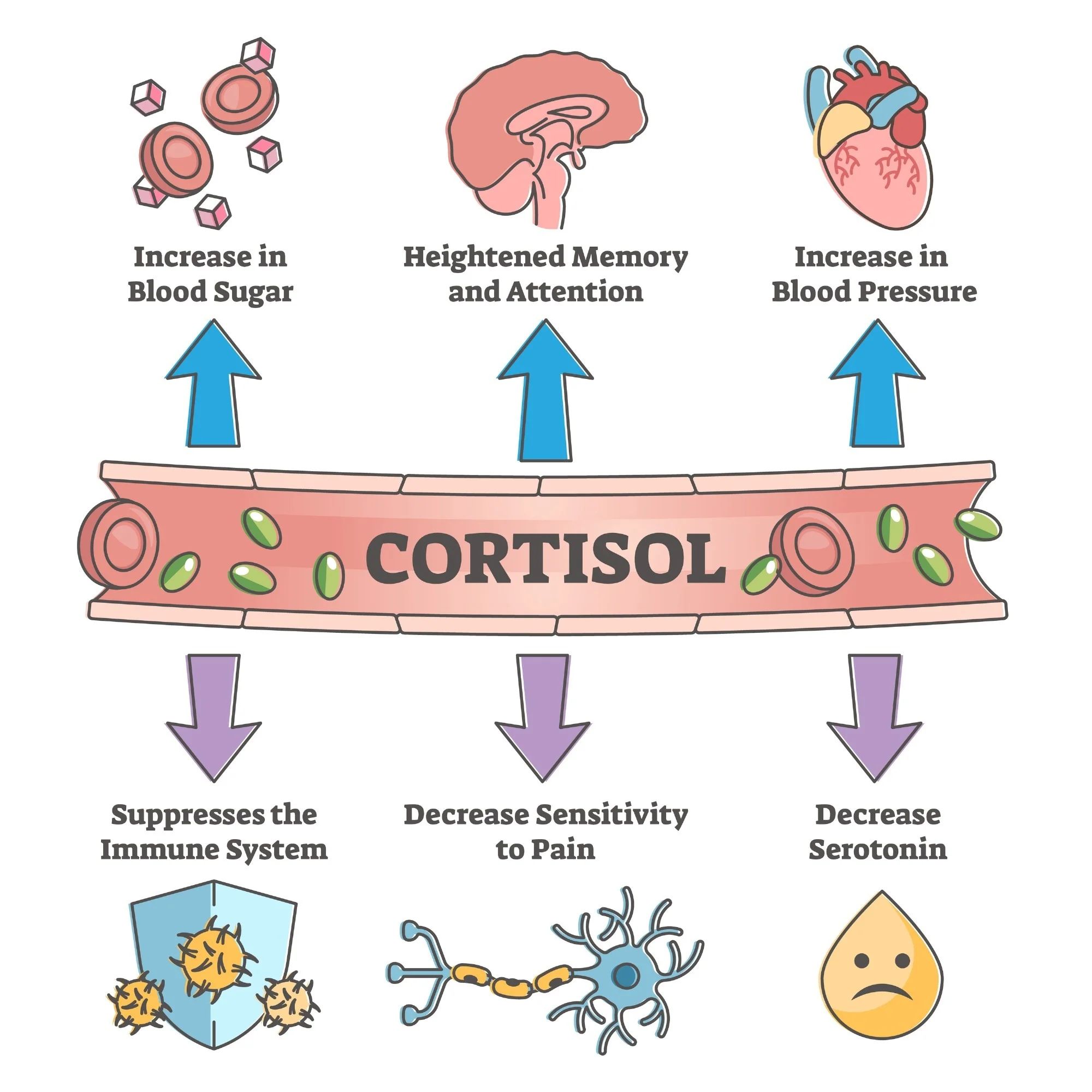
Your body becomes simultaneously more inflamed and less defended against pathogens. That dual vulnerability is the mechanism behind why lonely people get sick more often and suffer more severe cardiovascular consequences.
Sleep deteriorates too. Lonely individuals spend measurably less time in deep, restorative sleep stages even when total hours are adequate. Disrupted sleep further amplifies inflammation and metabolic dysfunction, compounding the existing damage.
Biological Effect of Chronic Loneliness | Mechanism | Consequence |
|---|---|---|
Elevated cortisol | Persistent stress response activation | Inflammation, high blood pressure, impaired immunity |
Pro-inflammatory gene upregulation | Increased IL-6, TNF-alpha production | Cardiovascular disease, autoimmune risk |
Antiviral gene downregulation | Reduced immune defense | More frequent and severe infections |
Disrupted deep sleep | Reduced restorative sleep stages | Metabolic dysfunction, further inflammation |
Accelerated cellular aging | Shorter telomere length in isolated individuals | Faster biological aging |
3. Quality vs Quantity: Why 500 Instagram Followers Won't Save You 📱❌
Not all social connection is created equal, and this distinction matters enormously for understanding what the research actually recommends.
The Harvard study was emphatic on this point: it is relationship quality, not quantity, that drives the health outcomes. Having a large social network with shallow, low-trust relationships does not produce the protective effects. Having a few deeply reciprocal, mutually invested relationships does.
The researchers found that people who described being in high-quality relationships in their 50s had the sharpest memories in their 80s. Low-quality relationships, characterized by conflict or emotional distance, were actually associated with worse health outcomes than being alone.
Online connection presents a specific problem here. Digital interaction activates some of the same social reward pathways but does not produce the same physiological effects as in-person contact.
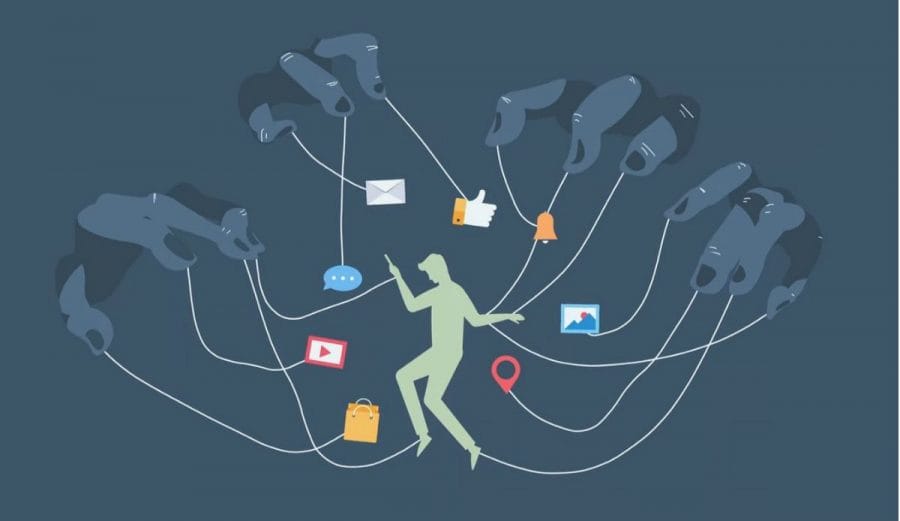
In-person interaction suppresses cortisol, triggers oxytocin release, and creates the kind of neural stimulation (non-verbal cues, real-time emotional attunement, shared physical experience) that online communication largely bypasses. Research from ovarian cancer patients showed that social support was associated with higher oxytocin levels in the tumor microenvironment, a hormone linked to some protection against cancer progression. That kind of biological signaling does not travel through a screen.
The question is not how many people you know. It is whether the people you spend time with make you feel genuinely seen, supported, and valued.
4. The Blue Zone Clue Everyone Misses: What the World's Longest-Lived People Actually Have in Common 🌍🧓
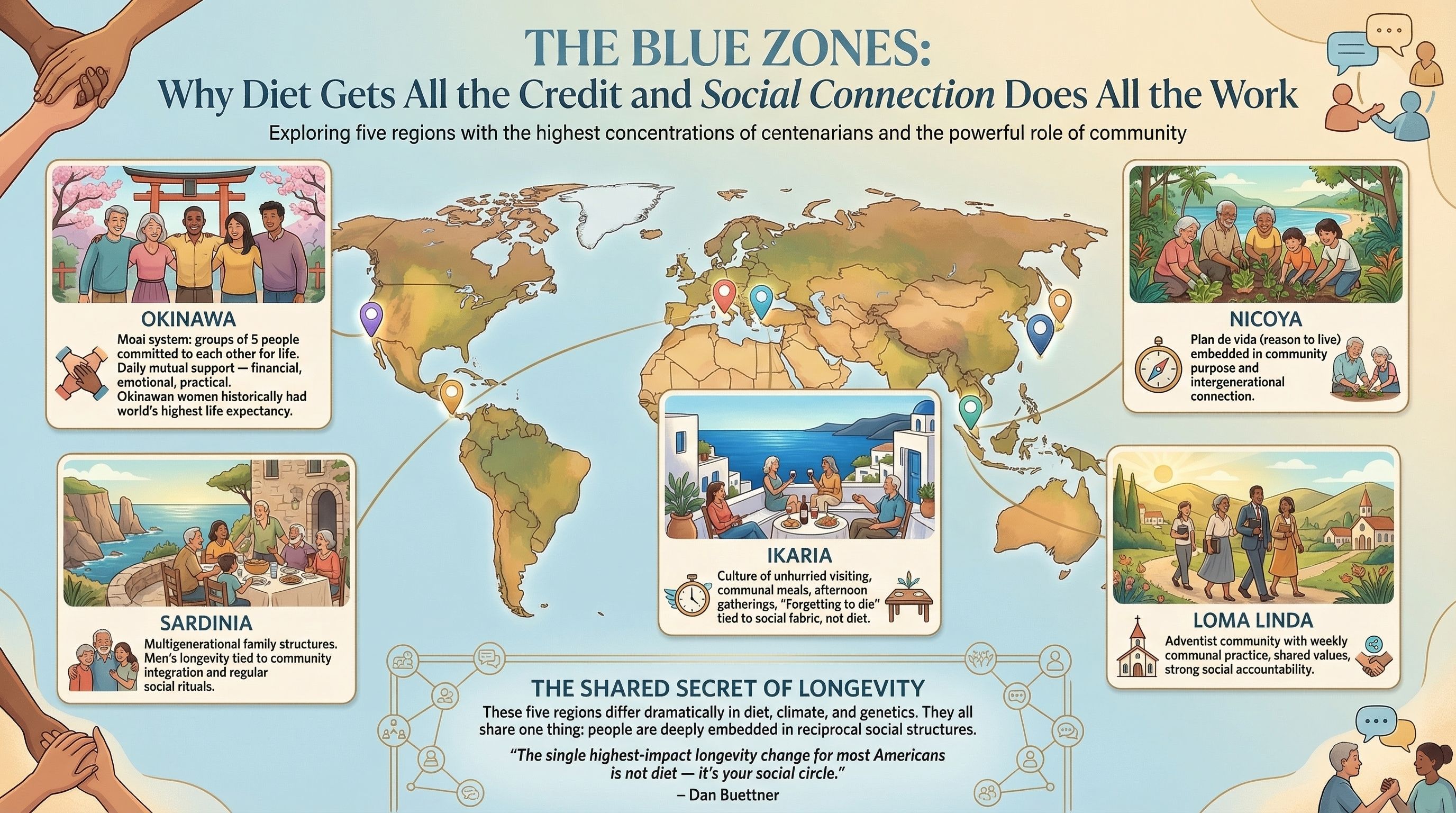
The five Blue Zones (regions with the highest concentrations of people living past 100) are Okinawa in Japan, Sardinia in Italy, the Nicoya Peninsula in Costa Rica, Ikaria in Greece, and Loma Linda in California. They differ dramatically in diet, climate, and culture.
What they all share: deep, embedded social integration.
Okinawans form moais, groups of five people committed to each other for life, meeting regularly to share life burdens, financial stress, emotional support, and celebration.
Sardinians build their social lives around multigenerational family structures and strong community rituals. Ikarians share a culture of unhurried visiting, communal meals, and deeply embedded mutual support networks.
The diet conversation around Blue Zones gets enormous attention. The social structure conversation gets almost none, despite the research suggesting it may be the more powerful variable.
Dan Buettner, who researched these populations extensively for National Geographic, has said that the single most impactful thing most Americans could do for their longevity is not change their diet. It is invest in building and maintaining a close circle of socially engaged friends.
💡 Fun Fact: Okinawan women have historically had the world's longest life expectancy. The moai system means that by the time a woman is elderly, she has had the same core social group for decades, providing lifelong financial, emotional, and practical backup. The system originated as a community financial safety net, and it became one of the most powerful health interventions in the world by accident.
5. How to Actually Fix It: What the Research Says Works 🛠️🤝
Knowing loneliness is dangerous is not the same as knowing how to address it. And the typical advice ("join a club," "put yourself out there") sidesteps the harder reality: for many people, building meaningful connection as an adult is genuinely difficult, and surface-level contact doesn't produce the health benefits.
The research points to a few specific levers. Frequency and consistency matter: regular repeated contact builds the trust and depth that drives health outcomes, not one-off social events.
Shared purpose or activity works better than purely social-oriented contexts for adults: sports teams, volunteer organizations, religious communities, and group classes consistently outperform "meetup" style events because the shared goal reduces the social pressure while building genuine connection over time.
Contribution to others is a surprisingly powerful mechanism. Studies consistently show that acts of giving (volunteering, providing support to others, mentoring) benefit the giver as much as or more than the receiver, both in wellbeing and biological markers.
The healthiest older adults in the Harvard study were not just the recipients of support. They were actively giving it.
The minimum effective dose of social connection is not well defined, but the evidence suggests prioritizing depth over breadth: fewer, higher-investment relationships maintained consistently over time, anchored in shared activity or purpose, with real reciprocal vulnerability
Takeaways
Chronic loneliness increases premature mortality risk by 26%, a figure the US Surgeon General's 2023 advisory described as comparable to smoking 15 cigarettes daily and greater than the risk from obesity or inactivity, with specific increases of 29% for heart disease and 32% for stroke, driven by persistent cortisol elevation causing systemic inflammation, pro-inflammatory gene upregulation increasing IL-6 and TNF-alpha, simultaneous antiviral gene downregulation increasing infection vulnerability, disrupted deep sleep, and accelerated cellular aging through shortened telomere length.
Social connection quality matters more than quantity: the Harvard Study of Adult Development, tracking 724 people for over 85 years, found relationship quality in one's 50s to be a stronger predictor of memory and health in one's 80s than cholesterol, income, IQ, or exercise habits, while online interaction fails to replicate in-person benefits because it does not produce the cortisol suppression, oxytocin release, or neural stimulation from non-verbal cues that drive the documented biological effects of meaningful social contact.
All five Blue Zone populations share deeply embedded social integration as a consistent feature regardless of diet or climate differences: Okinawan moais (lifelong groups of five committed to mutual support), Sardinian multigenerational community rituals, and Ikarian communal social culture, with research suggesting that for most adults the highest-impact longevity intervention is not dietary change but consistent investment in a small number of high-quality, purpose-anchored relationships where reciprocal giving and receiving of support are both actively practiced.
Health That Fits Real Life

Most of us don’t need another routine. We just need something that works. AG1 Next Gen supports gut health, fills common nutrient gaps, and helps maintain steady energy with one daily scoop. Simple, fast, and easy to stick with. Start with AG1 today and get bonus Travel Packs in your Welcome Kit.
Feedback & Sponsorship
What'd you think of this week's newsletter? Hit reply to let us know. Did we crush it? Blow your mind? We read every response.
Want your brand in front of hundreds of thousands of readers? Contact us for sponsorship opportunities [email protected]
Want more where that came from? Head to our website
Reply