- Aeviva
- Posts
- Electronic Devices Are Frying Your Eyes: 5 Ways to Reverse the Damage
Electronic Devices Are Frying Your Eyes: 5 Ways to Reverse the Damage
Phones, tablets, and computers emit harmful blue light, force unnatural eye strain, and accelerate vision loss. Here's how to protect yourself before it's too late
In partnership with

Estimated Read Time: 6 minutes
Your eyes weren't designed for electronic devices.
Staring at backlit screens 6 inches from your face for hours daily causes digital eye strain (65% of adults), doubles myopia risk, damages retinal cells with blue light, and creates chronic dry eye from reduced blinking.
Five science-backed interventions can protect your vision and reverse damage already done.
Today's Issue
Main Topic: How electronic devices damage your eyes through blue light, close-range focusing, and screen glare, plus 5 proven solutions to protect and restore vision
Subtitles:
How electronic devices destroy your eyes: blue light, eye strain, and dry eye
Blue light blocking: what works and what's marketing hype
Vision-protecting supplements: lutein, zeaxanthin, and omega-3s that rebuild eye health
The 20-20-20 rule and eye exercises proven to reduce strain
Screen glasses, filters, and device settings that protect your vision
Abstract: Electronic device usage (smartphones held 6-18 inches from face, computer monitors 20-26 inches, tablets 12-15 inches) damages eyes through blue light emission (450-495nm wavelength high-energy visible light penetrating cornea and lens reaching retina where it generates reactive oxygen species damaging photoreceptor cells and retinal pigment epithelium, potentially contributing to age-related macular degeneration), accommodation strain (ciliary muscles controlling lens shape contract continuously for near-focusing on devices versus relaxed state for distance vision, causing fatigue, headaches, blurred vision, and potential myopia progression especially in children and young adults), reduced blink rate (drops from normal 15-20 blinks per minute to 5-7 during device use causing tear film evaporation, dry eye symptoms affecting 50% of device users, corneal damage from inadequate lubrication), and screen glare (reflections and brightness contrasts forcing pupils to constantly adjust causing pupil fatigue and discomfort). Protection strategies include blue light management (blocking glasses filtering 450-495nm wavelength reduce eye strain 10-30% and improve sleep by preventing melatonin suppression, screen filters, night mode reducing blue emission 40-60%, positioning devices to minimize glare), vision-supporting supplements (lutein 10-20mg and zeaxanthin 2-4mg daily accumulate in macula filtering blue light and providing antioxidant protection reducing macular degeneration risk 25-35%, omega-3 fatty acids EPA/DHA 2g daily improve tear production and reduce dry eye symptoms 30-40%, vitamin A 3000-5000 IU supporting rhodopsin regeneration in photoreceptors for low-light vision), eye exercises (20-20-20 rule taking 20-second break every 20 minutes looking 20+ feet away relaxing accommodation, near-far focusing drills, eye yoga improving ciliary muscle flexibility), device optimization (increasing text size reducing squinting, 20-26 inch monitor distance for computers, brightness matching ambient light reducing contrast strain, anti-glare screen protectors), and specialized computer glasses (single-vision lenses optimized for monitor distance 20-26 inches versus bifocals forcing unnatural head angles, anti-reflective coating reducing glare 8-10%, blue light filtering coating though effectiveness debated).
Human eyes evolved for outdoor environments with natural light, distance viewing (hunting, gathering, navigation requiring focus from 6 feet to infinity), and balanced near-work (reading, tool-making for limited periods). Electronic devices create unprecedented visual demands: high-energy blue light directly entering eyes from backlit screens inches away, continuous near-focusing for 8-12+ hours daily straining accommodation muscles designed for intermittent use, reduced blinking from screen concentration creating chronic dry eye, and brightness fluctuations forcing constant pupil adjustments. Consequences appear across age groups: children developing myopia (nearsightedness) at double historical rates with excessive device use during eye development years, working adults experiencing digital eye strain or computer vision syndrome (headaches, blurred vision, eye fatigue affecting 65% of office workers), and elderly facing accelerated age-related macular degeneration potentially linked to cumulative blue light exposure. Unlike screen time (addressing duration), this focuses on device-specific optical threats and practical solutions: blue light blocking (glasses, filters, settings), vision-protective supplements rebuilding eye structures damaged by oxidative stress, eye exercises countering accommodation fatigue, and device positioning reducing glare and strain. Understanding mechanisms allows targeted interventions preventing permanent vision loss while maintaining necessary device use for modern life.
Choose Natural Relaxation Tonight, Thrive Tomorrow

CBDistillery’s expert botanist has formulated a potent blend of cannabinoids to deliver body-melting relaxation without the next-day hangover.
Enhanced Relief Gummies feature 5mg of naturally-occurring Delta-9 THC and 75mg of CBD to help your body and mind relax before bedtime. Save 25% on your first order with code HNY25.
1. How Electronic Devices Destroy Your Eyes: Blue Light, Eye Strain, and Dry Eye 👁️💻

Blue light damage: Electronic devices emit blue light (450-495nm wavelength), high-energy visible light penetrating deep into eye reaching retina.
Unlike UV light (blocked by cornea and lens), blue light passes through, generating reactive oxygen species (free radicals) that damage photoreceptor cells (rods and cones detecting light) and retinal pigment epithelium (supporting layer feeding photoreceptors).
Cumulative damage linked to age-related macular degeneration (leading cause of blindness over 50). Studies show 6+ hours daily blue light exposure accelerates retinal cell death in laboratory models.
Dry eye syndrome: Normal blink rate is 15-20 times per minute, spreading tear film and keeping eyes lubricated.
During device use, blink rate drops to 5-7 per minute (you concentrate, forget to blink). Tear film evaporates, eyes dry out, causing burning, redness, grittiness, and blurred vision. Affects 50% of regular device users.
Chronic dry eye damages cornea surface.
Screen glare and brightness: Reflections from windows, lights, and screen surface force eyes to work harder processing contrasting bright and dark areas.
Brightness mismatched to environment (bright screen in dark room or vice versa) causes pupil fatigue from constant adjustment. Results in headaches and eye strain.
2. Blue Light Blocking: What Works and What's Marketing Hype 🔵🚫
The real threat: Blue light definitely disrupts sleep (suppresses melatonin production, delays circadian rhythm) and contributes to eye strain.
Evidence for retinal damage is stronger in animals and lab studies than humans, but risk exists especially with cumulative lifetime exposure.
Blue light blocking glasses: Amber or yellow-tinted lenses filter 450-495nm wavelength.
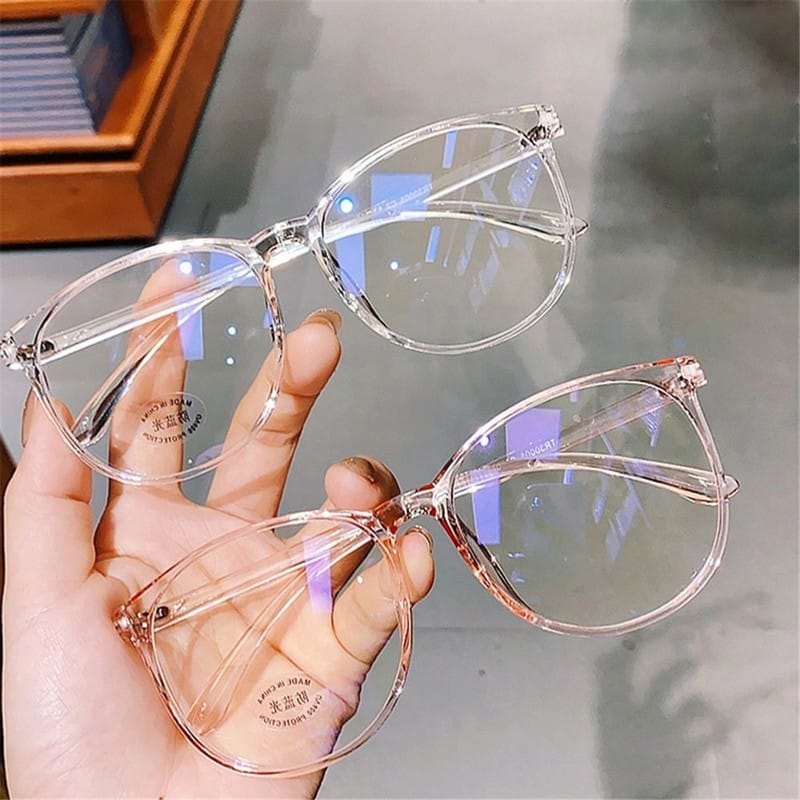
Blue light blocking glasses
Studies show 10-30% reduction in eye strain symptoms, improved sleep when worn 2-3 hours before bed, and reduced headaches in computer users.
Not miracle cure but measurable benefits. Cost: $20-150. Choose glasses blocking at least 50% of blue light (check specs). Clear lenses blocking blue light exist but are less effective than tinted versions.
Screen filters and protectors: Physical blue light filtering screens attach to monitors and devices. Reduce blue light 30-60% while maintaining color accuracy better than software solutions. Cost: $15-40 depending on size.
Device settings (night mode, dark mode): Night mode reduces blue light emission 40-60%, shifting screen toward warmer red/orange tones. Free, built into most devices. Activate 2-3 hours before bed minimum. Dark mode (white text on black background) reduces overall brightness, decreasing eye strain especially in low-light environments.
What doesn't work: Cheap glasses claiming to block blue light but lacking proper filtering (test with blue light test card), overhyped claims that blue blocking prevents all eye damage (accommodation strain and dry eye still occur), expensive "medical-grade" glasses with minimal difference from good quality $40 versions.
3. Vision-Protecting Supplements: Lutein, Zeaxanthin, and Omega-3s That Rebuild Eye Health 💊👁️

Lutein and zeaxanthin (10-20mg lutein, 2-4mg zeaxanthin daily): Carotenoid antioxidants that accumulate in macula (central retina responsible for sharp vision). They filter blue light before it reaches photoreceptor cells and neutralize free radicals from blue light exposure.
Studies show supplementation increases macular pigment density (protective layer) by 20-40%, reduces glare disability, improves contrast sensitivity, and decreases age-related macular degeneration risk by 25-35%. Takes 3-6 months to build up in retina. Food sources: kale, spinach, egg yolks, but supplementation easier for therapeutic doses.
Omega-3 fatty acids EPA/DHA (2g daily): Critical for retinal structure (DHA is major structural fat in photoreceptors) and tear production. Supplementation improves dry eye symptoms 30-40% (increases tear production, reduces inflammation in tear glands), supports retinal health, and reduces macular degeneration risk. Also benefits brain and cardiovascular health. Take with meals for absorption.
Vitamin A (3000-5000 IU daily, or beta-carotene 10,000-25,000 IU): Required for rhodopsin production (light-sensitive protein in rods enabling night vision).
Deficiency causes night blindness, dry eyes, and increased infection risk. Modern diets often marginally deficient.
Supplementation improves low-light vision and supports corneal health. Do not exceed 10,000 IU daily from retinol form (toxicity risk). Beta-carotene (converted to vitamin A as needed) is safer.
Astaxanthin (4-12mg daily, emerging evidence): Powerful antioxidant (500x stronger than vitamin E) that crosses blood-retinal barrier, protecting photoreceptors from oxidative damage.

Astaxanthin
Small studies show reduced eye strain, improved accommodation (focusing ability), and better blood flow to retina. More research needed but promising.
Zinc (15-25mg daily): Concentrated in retina, supports vitamin A metabolism and antioxidant enzymes protecting against oxidative damage. Age-related eye disease studies show zinc supplementation slows macular degeneration progression.
Recommended stack: Lutein 10-20mg + Zeaxanthin 2-4mg + Omega-3 2g + Vitamin A 3000-5000 IU. Cost: $30-50 monthly. Look for combined eye health formulas or take separately.
4. The 20-20-20 Rule and Eye Exercises Proven to Reduce Strain 👀💪
The 20-20-20 rule: Every 20 minutes of device use, look at something 20+ feet away for 20 seconds. This relaxes ciliary muscles (no longer contracting for near-focus) and triggers blinking (re-lubricates eyes).
Studies show 40-50% reduction in accommodation fatigue and eye strain symptoms. Set phone/computer reminders. Simple but highly effective.
Near-far focusing drill: Hold thumb 10 inches from face, focus on it for 10 seconds, then focus on object 10-20 feet away for 10 seconds. Repeat 10 times. Exercises ciliary muscles improving flexibility and reducing accommodation spasm (when muscles stay contracted causing blurred distance vision). Do 2-3 times daily.
Palming: Rub hands together to generate warmth, cup palms over closed eyes without touching eyelids, relax in complete darkness for 1-2 minutes. Reduces eye tension, promotes tear production, calms overworked eye muscles. Do during breaks.
Eye yoga (directional movements): Without moving head, look far left (hold 5 seconds), far right (5 seconds), up (5 seconds), down (5 seconds), diagonal corners, then circular rotations clockwise and counterclockwise. Improves eye muscle strength and coordination. Do 1-2 times daily.
Blink exercises: Consciously blink 10-15 times slowly and completely (full closure). Most people partial-blink during device use. Full blinking spreads tear film completely, preventing dry spots. Do every hour.
Focus flexibility (pencil push-ups): Hold pencil at arm's length, slowly bring toward nose while maintaining focus on pencil tip, stop when pencil doubles (convergence breaking point), push back out. Repeat 10 times. Strengthens convergence (eyes turning inward for near-work) reducing eye strain.
5. Screen Glasses, Filters, and Device Settings That Protect Your Vision 🤓⚙️

Computer glasses (single-vision lenses for monitor distance): Standard glasses optimize for distance (driving, watching TV) or reading (books 12-16 inches). Computer monitors sit 20-26 inches away, requiring intermediate focus. Computer-specific glasses optimize for this distance, reducing strain from bifocals (forcing unnatural head angles) or incorrect prescription. Include anti-reflective coating reducing glare and optional blue light filtering. Cost: $100-300. Worthwhile for 4+ hours daily computer use.
Anti-reflective (AR) coating: Eliminates 8-10% of light reflections from lens surfaces, reducing glare from screens and overhead lights. Improves visual clarity and reduces eye strain. Essential for computer glasses, beneficial for regular glasses. Cost: $50-100 add-on.
Screen positioning: Monitor should be 20-26 inches from eyes (arm's length), top of screen at or slightly below eye level (looking slightly downward reduces dry eye by partially closing eyelids). Position perpendicular to windows to minimize glare. Tilt screen 10-20 degrees to reduce reflections.
Brightness and contrast: Match screen brightness to ambient room lighting. Too bright in dark room or too dim in bright room causes strain. Increase text size to reduce squinting. Use high contrast (dark text on light background or vice versa) but avoid pure white backgrounds (use warm cream or gray reducing harshness).
Lighting setup: Eliminate glare from windows (use blinds, curtains) and overhead lights (use task lighting instead). Position light sources beside or behind monitor, not behind you (creates screen reflections). Indirect diffuse lighting better than harsh direct lights. Blue-light-reduced bulbs (warm 2700K color temperature) better for evening.
Device features: Enable night mode/blue light filter 2-3 hours before bed. Use dark mode in low-light environments. Enable auto-brightness letting device adjust to ambient light. Reduce screen refresh rate flicker (use 75Hz+ monitors, avoid old fluorescent backlights).
Screen breaks and posture: Take 5-10 minute breaks every hour (walk, look outside, different activity). Maintain proper posture (feet flat, back supported, screen at correct height) preventing neck and shoulder tension contributing to headaches.
💡 Pro Tip: Implement all 5 strategies together for maximum protection: wear blue light blocking glasses during device use, take lutein/zeaxanthin/omega-3 supplements daily, practice 20-20-20 rule religiously, optimize screen setup and lighting, and do eye exercises during breaks. Vision damage is cumulative. Start protecting now.
One Habit You’ll Keep

By this time of the year, most New Year goals are already slipping. That’s why the habits that last are the simple ones.
AG1 Next Gen is a clinically studied daily health drink that supports gut health, helps fill common nutrient gaps, and supports steady energy.
With just one scoop mixed into cold water, AG1 replaces a multivitamin, probiotics, and more, making it one of the easiest upgrades you can make this year.
Start your mornings with AG1 and get 3 FREE AG1 Travel Packs, 3 FREE AGZ Travel Packs, and FREE Vitamin D3+K2 in your Welcome Kit with your first subscription.
Takeaways
Electronic devices damage eyes through blue light emission (450-495nm wavelength penetrating retina generating free radicals damaging photoreceptor cells, potentially accelerating macular degeneration), accommodation strain (continuous ciliary muscle contraction for near-focusing causing fatigue, headaches, blurred vision, and contributing to myopia epidemic doubling nearsightedness rates from 25% to 50% in 50 years), and reduced blink rate (drops from 15-20 to 5-7 blinks per minute during device use causing dry eye affecting 50% of users), requiring multi-intervention protection strategy rather than single solution.
Blue light blocking glasses (filtering 450-495nm reduce eye strain 10-30%, improve sleep), screen filters (reduce blue emission 30-60%), and device settings (night mode cuts blue light 40-60%, dark mode reduces overall brightness) provide measurable protection, while vision-supporting supplements including lutein 10-20mg and zeaxanthin 2-4mg (accumulate in macula filtering blue light, reduce macular degeneration risk 25-35%), omega-3s 2g daily (improve dry eye 30-40%, support retinal structure), and vitamin A 3000-5000 IU (support night vision, corneal health) rebuild eye structures damaged by oxidative stress.
Behavioral interventions including 20-20-20 rule (every 20 minutes look 20+ feet away for 20 seconds reducing accommodation fatigue 40-50%), eye exercises (near-far focusing, palming, directional movements improving muscle flexibility), proper screen positioning (20-26 inches away, top at eye level, perpendicular to windows minimizing glare), and environmental optimization (matching screen brightness to ambient light, using indirect diffuse lighting, enabling auto-brightness) provide comprehensive protection when combined, preventing cumulative vision damage from modern device dependence.
Feedback & Sponsorship
What'd you think of this week's newsletter? Hit reply to let us know. Did we crush it? Blow your mind? We read every response.
Want your brand in front of hundreds of thousands of readers? Contact us for sponsorship opportunities [email protected]
Want more where that came from? Head to our website
Now Men Can Fight Eye Bags From Home

Worried about eyebags, dark spots and wrinkles? Particle Face Cream is the #1 selling solution for men to tackle these issues. Boasting over 1,000,000 satisfied customers, Particle is easy, effective and worth adding to your routine. Get 20% off now with the code BH20!
Reply