- Aeviva
- Posts
- Why Vitamin C is Essential for Your Body
Why Vitamin C is Essential for Your Body
Vitamin C does far more than prevent colds. This critical nutrient supports immunity, collagen production, iron absorption, brain function, and protects against chronic disease
In partnership with

Estimated Read Time: 6 minutes
Vitamin C is one of the most important nutrients your body needs but cannot produce.
Without adequate vitamin C, you develop scurvy (bleeding gums, bruising, fatigue, eventual death). But even mild deficiency (affecting 7% of Americans) causes subtle problems: poor wound healing, frequent infections, fatigue, and premature aging.
Understanding why vitamin C is essential and how much you need can transform your health, energy, and disease resistance.
Today's Issue
Main Topic: The 5 critical functions of vitamin C in your body, signs of deficiency, optimal dosing, and best food sources
Subtitles:
Immune function: how vitamin C strengthens your defense against infections
Collagen production: skin, joints, blood vessels, and wound healing
Powerful antioxidant: protecting cells from oxidative damage and aging
Iron absorption and brain function: often-overlooked critical roles
How much you need: dosing, deficiency signs, and best sources
Abstract: Vitamin C (ascorbic acid) is essential water-soluble nutrient humans cannot synthesize due to evolutionary loss of L-gulonolactone oxidase enzyme, requiring daily dietary intake to prevent deficiency. Vitamin C performs five critical physiological functions: immune enhancement (accumulates in neutrophils and lymphocytes at 10-100x plasma concentration, stimulates interferon production, enhances phagocytosis, and supports antibody production, with supplementation reducing common cold duration by 8-14% and severity by 10-20%), collagen synthesis (required cofactor for prolyl hydroxylase and lysyl hydroxylase enzymes converting proline and lysine to hydroxyproline and hydroxylysine enabling collagen triple helix formation, accounting for 30% of body's protein in skin, blood vessels, bones, tendons, and ligaments), antioxidant protection (donates electrons neutralizing free radicals including superoxide, hydroxyl radicals, and reactive oxygen species, protecting DNA, proteins, and lipids from oxidative damage driving aging and chronic disease), iron absorption enhancement (reduces ferric iron to ferrous form increasing intestinal absorption 3-4x, critical for preventing iron deficiency anemia especially in menstruating women and vegetarians), and neurotransmitter synthesis (cofactor for dopamine beta-hydroxylase converting dopamine to norepinephrine, supporting cognitive function, mood regulation, and stress response). Deficiency manifests progressively from fatigue and poor wound healing (subclinical, plasma levels 11-28 micromol/L) to scurvy (plasma below 11 micromol/L, characterized by bleeding gums, petechiae, joint pain, anemia, and impaired immunity).
Vitamin C (L-ascorbic acid) occupies unique position among nutrients as one of few vitamins humans cannot synthesize endogenously, consequence of evolutionary mutation approximately 61 million years ago when primate ancestors lost functional gene encoding L-gulonolactone oxidase (final enzyme in vitamin C synthesis pathway). While most mammals produce vitamin C in liver or kidneys (goats synthesize 13,000mg daily, dogs 40mg per kg bodyweight), humans, other primates, guinea pigs, and some bat species must obtain vitamin C exclusively from diet. This dependency creates vulnerability to deficiency when dietary intake is insufficient, historically manifesting as scurvy (disease killing millions of sailors before James Lind's 1747 discovery that citrus fruits prevented it). Vitamin C functions as essential cofactor in numerous enzymatic reactions, electron donor in redox reactions, and critical component of immune and antioxidant defense systems. Its roles extend far beyond popular association with cold prevention to fundamental processes including collagen synthesis (structural protein comprising 30% of body's total protein), neurotransmitter production (dopamine, norepinephrine), carnitine synthesis (fat metabolism), iron absorption (preventing anemia), and cellular protection from oxidative stress (preventing DNA damage, lipid peroxidation, protein oxidation). Understanding these diverse functions explains why vitamin C deficiency produces multisystem effects and why adequate intake supports overall health, disease resistance, and healthy aging.

Vitamin C structure
Support Your New Years Resolutions with CBD

Setting a New Years resolution is a lot easier than keeping it. But CBDistillery’s expertly-formulated CBD products make sticking with your resolutions easier. Save 25% on CBD to ease pain after workouts, stress less, sleep better or unwind alcohol-free with code HNY25 and keep your resolutions on track.
1. Immune Function: How Vitamin C Strengthens Your Defense Against Infections 🦠💪
Vitamin C accumulates in immune cells: White blood cells concentrate vitamin C to levels 10-100x higher than plasma, indicating critical role in immune function. During infection, these cells rapidly deplete vitamin C stores consuming it for antimicrobial activities.
Multiple immune-enhancing mechanisms:
Enhanced phagocytosis: Vitamin C stimulates neutrophils and macrophages to engulf and destroy bacteria and viruses more efficiently. Deficiency reduces this "eating" capacity, allowing infections to establish.
Interferon production: Vitamin C stimulates production of interferons (antiviral proteins) that prevent viral replication and spread. This explains modest but consistent effects on viral infections.
Antibody production: Supports B lymphocyte function and antibody synthesis, improving adaptive immune response to pathogens.
Barrier function: Maintains skin and mucous membrane integrity (first line defense), preventing pathogen entry.
Severe infections: Hospitalized patients with pneumonia, sepsis, or critical illness often have extremely low vitamin C levels (near scurvy range). High-dose IV vitamin C (1-3 grams) shows promise in reducing mortality and organ failure in sepsis, though research ongoing.
Bottom line: Adequate vitamin C (100-200mg daily from food) supports normal immune function. Extra supplementation provides modest cold reduction but is not miracle cure. Deficiency significantly impairs immunity, increasing infection frequency and severity.
2. Collagen Production: Skin, Joints, Blood Vessels, and Wound Healing 🧬💆♀️
What is collagen: Most abundant protein in body (30% of total protein), providing structural support to skin, blood vessels, bones, tendons, ligaments, cartilage, and organs. Think of collagen as scaffolding holding body together.

Vitamin C is absolutely required: Collagen synthesis requires two vitamin C-dependent enzymes (prolyl hydroxylase and lysyl hydroxylase) that chemically modify proline and lysine amino acids to hydroxyproline and hydroxylysine. These modified amino acids allow collagen to form stable triple helix structure. Without vitamin C, these enzymes cannot function, producing defective collagen that falls apart.
Clinical manifestations of deficient collagen:
Skin aging: Wrinkles, sagging skin, poor texture. Vitamin C deficiency accelerates skin aging by reducing collagen production and increasing breakdown. Conversely, adequate vitamin C (from food and topical application) maintains skin elasticity and reduces wrinkles.
Poor wound healing: Cuts, surgical incisions, burns heal slowly and incompletely without adequate collagen synthesis. Vitamin C supplementation accelerates wound healing, especially in deficient individuals.
Bleeding gums and loose teeth: Scurvy's hallmark symptom. Gums require constant collagen renewal. Deficiency causes gums to become swollen, purple, and bleed easily. Teeth loosen as collagen holding them in sockets deteriorates.
Fragile blood vessels: Easy bruising, petechiae (small red spots from bleeding capillaries), and nosebleeds indicate weakened blood vessel walls from poor collagen.
Joint pain: Cartilage (joint cushioning) is primarily collagen. Deficiency causes joint pain and deterioration.
Practical implications: Athletes, elderly, people recovering from surgery, and anyone concerned with skin aging benefit from adequate vitamin C supporting collagen production. Topical vitamin C serums (L-ascorbic acid 10-20%) improve skin appearance by stimulating collagen synthesis locally.
3. Powerful Antioxidant: Protecting Cells From Oxidative Damage and Aging ⚡🛡️
What are free radicals and oxidative stress: Normal metabolism, exercise, immune function, and environmental exposures (pollution, UV radiation, smoking) produce reactive oxygen species (ROS) including superoxide, hydroxyl radicals, and hydrogen peroxide.
These molecules have unpaired electrons making them highly reactive, damaging DNA, proteins, and cell membranes through oxidation.
Accumulated damage contributes to aging, cancer, cardiovascular disease, neurodegeneration, and inflammatory conditions.
Vitamin C as electron donor: Vitamin C neutralizes free radicals by donating electrons, converting reactive molecules to harmless ones. This sacrificial process oxidizes vitamin C to dehydroascorbic acid, which is recycled back to active form by
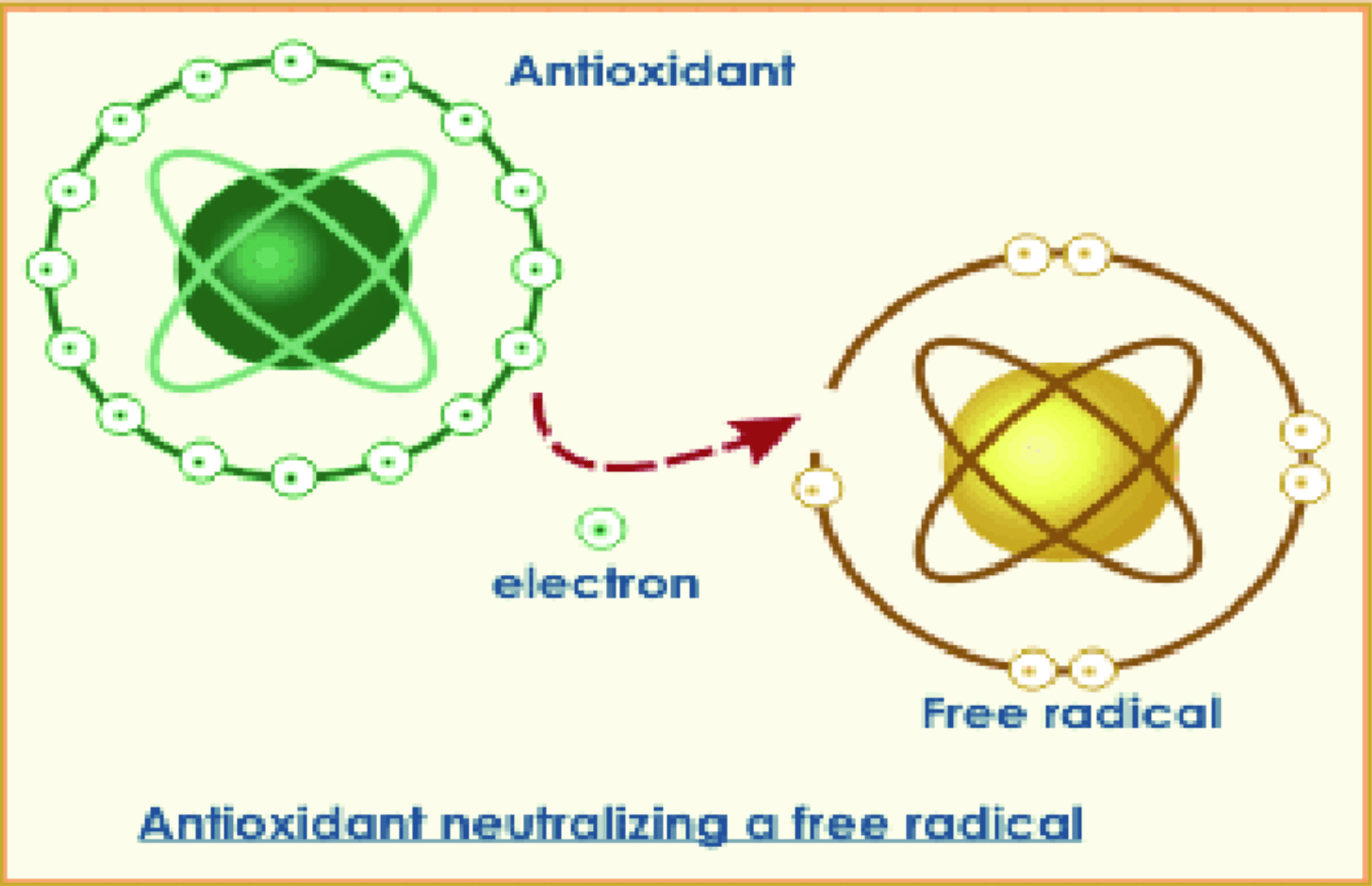
glutathione and other antioxidants or excreted.
Specific protective effects:
DNA protection: Vitamin C prevents oxidative DNA damage that causes mutations leading to cancer. Population studies show high vitamin C intake correlates with reduced cancer risk for several types (stomach, esophageal, lung, oral).
LDL cholesterol protection: Oxidized LDL cholesterol (not just high LDL) drives atherosclerosis. Vitamin C prevents LDL oxidation, reducing cardiovascular disease risk.
Brain protection: Brain is vulnerable to oxidative damage (high oxygen consumption, abundant polyunsaturated fats susceptible to oxidation). Vitamin C concentrates in brain tissue, protecting neurons from oxidative stress linked to Alzheimer's and Parkinson's diseases.
Eye health: High vitamin C levels in lens and retina protect against cataracts (oxidative lens damage) and macular degeneration (retinal oxidative damage).
Synergy with other antioxidants: Vitamin C regenerates vitamin E (fat-soluble antioxidant) and supports glutathione (master intracellular antioxidant), creating antioxidant network more powerful than any single compound.
Smoking and oxidative stress: Smokers experience massive oxidative stress from cigarette chemicals and inflammation. They require 35mg additional vitamin C daily (RDA 125mg women, 155mg men) to maintain adequate levels.
4. Iron Absorption and Brain Function: Often-Overlooked Critical Roles 🧠🩸
Iron absorption enhancement: Mechanism: vitamin C forms soluble complexes with iron at acidic stomach pH, keeping iron dissolved and absorbable as it moves to alkaline small intestine where it would otherwise precipitate.
Who benefits most: Vegetarians, vegans, menstruating women, pregnant women, and anyone with iron deficiency anemia should consume vitamin C-rich foods with iron-rich plant foods (beans, lentils, spinach, fortified cereals).
Example: adding bell peppers or citrus to bean salad, or drinking orange juice with iron-fortified cereal increases iron absorption dramatically.
Practical tip: Consuming 25-100mg vitamin C with iron-rich meal optimizes absorption. More is not necessarily better (absorption plateaus).
Neurotransmitter synthesis: Vitamin C is cofactor for dopamine beta-hydroxylase, enzyme converting dopamine to norepinephrine (key neurotransmitter for alertness, focus, stress response, mood regulation).
Deficiency impairs this conversion, potentially contributing to fatigue, poor concentration, and depression.
Brain vitamin C levels: Brain maintains high vitamin C concentration (10x plasma) even during deficiency, indicating critical importance for neural function.
Vitamin C supports neuron function, protects against oxidative damage, modulates neurotransmitter release, and promotes myelin synthesis.
Cognitive effects: Studies show higher vitamin C intake and blood levels correlate with better cognitive function, reduced dementia risk, and improved mood. Deficiency associated with fatigue, depression, and confusion (early scurvy symptoms).
5. How Much You Need: Dosing, Deficiency Signs, and Best Sources 📊🍊
RDA (Recommended Dietary Allowance): Amount preventing deficiency in 97.5% of population: Women 75mg daily, Men 90mg daily, Smokers add 35mg, Pregnancy 85mg, Breastfeeding 120mg. However, RDA prevents scurvy but may not optimize health.
Optimal intake for health: Research suggests 200-500mg daily from food optimizes tissue saturation, antioxidant protection, and immune function. Beyond 500mg, tissue saturation reaches maximum and excess is excreted in urine (vitamin C is water-soluble, not stored long-term, requiring daily intake).
Signs of deficiency (progressive):

Subclinical deficiency (plasma 11-28 micromol/L, affecting 7% of Americans): Fatigue, irritability, poor wound healing, easy bruising, frequent minor infections, rough dry skin, bleeding gums when brushing.
Moderate deficiency (plasma below 11 micromol/L): Above symptoms worsen, joint pain, petechiae (small red spots), swollen purple gums, loosening teeth, mood changes, depression.
Scurvy (plasma near zero, rare in developed countries): Severe bleeding gums, tooth loss, extensive bruising, slow wound healing, anemia, bone pain, shortness of breath, eventual death if untreated (takes 1-3 months of zero vitamin C intake).
Best food sources (mg per serving):
Red bell pepper, 1 cup raw: 190mg
Orange juice, 1 cup: 125mg
Kiwi, 1 medium: 140mg
Green bell pepper, 1 cup raw: 120mg
Strawberries, 1 cup: 90mg
Orange, 1 medium: 70mg
Broccoli, cooked, 1 cup: 100mg
Brussels sprouts, cooked, 1 cup: 95mg
Grapefruit, half: 45mg
Tomato, 1 medium: 20mg
Supplementation considerations: Most people get adequate vitamin C from diet with 2-3 servings of fruits/vegetables daily. Supplements useful for: smokers, elderly with poor appetite, people with limited fruit/vegetable access, those under high stress, athletes, people recovering from illness/surgery.
Dosing supplements: 250-500mg daily covers needs without excess. Higher doses (1,000-2,000mg) used therapeutically for colds (modest benefit) or wound healing (medical supervision). Divided doses (250mg twice daily) maintain steadier blood levels than single large dose.
Absorption and tolerance: Body absorbs 70-90% of vitamin C at doses below 200mg, but only 50% at 1,000mg and less at higher doses. Excess causes osmotic diarrhea (common at 2,000mg+). Maximum tolerable dose varies individually (500-2,000mg daily).
💡 Pro Tip: Eat vitamin C-rich foods raw or lightly cooked. Vitamin C is heat-sensitive and water-soluble, destroyed by prolonged cooking and leached into cooking water. Steaming or quick stir-frying preserves more than boiling.
One Simple Scoop For Better Health

The best healthy habits aren't complicated. AG1 Next Gen helps support gut health and fill common nutrient gaps with one daily scoop. It's one easy routine that fits into real life and keeps your health on track all day long. Start your mornings with AG1 and keep momentum on your side.
Takeaways
Vitamin C performs five critical functions humans cannot survive without: immune enhancement (accumulates in white blood cells 10-100x plasma concentration, reduces cold duration 8-14% and severity 10-20%), collagen synthesis (required cofactor for enzymes producing hydroxyproline and hydroxylysine enabling collagen triple helix in skin, blood vessels, bones, joints), antioxidant protection (neutralizes free radicals preventing DNA damage, LDL oxidation, and cellular aging), iron absorption (increases plant-based iron absorption 3-4x critical for preventing anemia in vegetarians and menstruating women), and neurotransmitter production (cofactor converting dopamine to norepinephrine supporting mood, cognition, stress response).
Deficiency progresses from subclinical symptoms affecting 7% of Americans (fatigue, poor wound healing, frequent infections, easy bruising, bleeding gums) to moderate deficiency (joint pain, swollen purple gums, petechiae) to scurvy (severe bleeding, tooth loss, anemia, death if untreated), with humans unable to synthesize vitamin C requiring daily dietary intake unlike most mammals producing 40mg per kg bodyweight.
RDA of 75-90mg daily prevents deficiency but optimal health requires 200-500mg from food sources (red bell pepper 190mg per cup, kiwi 140mg, strawberries 90mg per cup, orange 70mg, broccoli 100mg cooked), with supplementation 250-500mg daily useful for smokers (require 35mg additional), elderly, stressed individuals, athletes, and those with limited fruit/vegetable intake, though absorption decreases above 200mg and excess causes diarrhea above 2,000mg.
Feedback & Sponsorship
What'd you think of this week's newsletter? Hit reply to let us know. Did we crush it? Blow your mind? We read every response.
Want your brand in front of hundreds of thousands of readers? Contact us for sponsorship opportunities [email protected]
Want more where that came from? Head to our website
Now Men Can Fight Eye Bags From Home

Worried about eyebags, dark spots and wrinkles? Particle Face Cream is the #1 selling solution for men to tackle these issues. Boasting over 1,000,000 satisfied customers, Particle is easy, effective and worth adding to your routine. Get 20% off now with the code BH20!
Reply