- Aeviva
- Posts
- Your 5-Step Night Routine for Better Sleep & Cortisol Balance
Your 5-Step Night Routine for Better Sleep & Cortisol Balance
High cortisol at night destroys sleep quality. This science-backed evening routine lowers stress hormones, regulates circadian rhythm, and helps you fall asleep faster

In partnership with

Estimated Read Time: 6 minutes
You lie in bed, exhausted but wide awake, mind racing about tomorrow's tasks.
Your cortisol (stress hormone) should drop at night to allow melatonin (sleep hormone) to rise. But stress, blue light, late meals, and poor sleep hygiene keep cortisol elevated, blocking deep sleep.
A strategic 5-step evening routine can lower cortisol by 20-30%, increase melatonin production, and improve sleep quality within days.
Today's Issue
Main Topic: The 5-step evening routine scientifically proven to lower cortisol, balance circadian rhythm, and dramatically improve sleep quality
Subtitles:
Why high cortisol at night destroys your sleep (the hormone battle)
Step 1: Set a digital sunset (blue light blocking 2 hours before bed)
Step 2: Eat dinner 3 hours before sleep (blood sugar and cortisol connection)
Step 3: The cortisol-lowering wind-down routine (magnesium, breathing, temperature)
Step 4: Create the perfect sleep environment (darkness, temperature, noise control)
Abstract: Cortisol (primary stress hormone) follows natural circadian rhythm peaking 8 AM (providing morning energy and alertness) and declining throughout day reaching lowest levels 10 PM to 2 AM (allowing melatonin production and deep sleep), but modern lifestyle factors including artificial light exposure (blue light from screens suppressing melatonin by 50-85% and delaying circadian phase by 1-3 hours), late-night eating (insulin release triggering cortisol response), chronic stress (sustained activation of HPA axis preventing normal cortisol decline), caffeine after 2 PM (blocking adenosine receptors maintaining alertness), and poor sleep hygiene create abnormal cortisol patterns with elevated nighttime levels blocking sleep onset and reducing sleep quality. Strategic evening routine addresses each factor: digital sunset eliminating blue light 2 hours pre-bed (allowing melatonin rise), final meal 3 hours before sleep (preventing insulin-cortisol spike and allowing digestion completion), cortisol-lowering activities including magnesium glycinate 200-400mg (NMDA receptor antagonist reducing neural excitation), box breathing 4-4-4-4 pattern (activating parasympathetic nervous system lowering cortisol 15-25%), hot bath or shower 90 minutes pre-bed (core body temperature drop post-bath triggering sleep onset), and optimized sleep environment with complete darkness (even 5-10 lux light exposure suppresses melatonin), cool temperature 60-67°F/15-19°C (facilitating core temperature decline required for deep sleep), and white noise masking disruptive sounds.
Sleep quality depends critically on hormone balance, specifically the inverse relationship between cortisol (alertness, stress response) and melatonin (sleep initiation, circadian regulation). In healthy circadian rhythm, cortisol peaks upon waking (cortisol awakening response providing morning energy), declines throughout the day, and reaches nadir (lowest point) between 10 PM and 2 AM, while melatonin remains suppressed during daylight and begins rising 2-3 hours before habitual bedtime, peaking at 2-4 AM. However, modern lifestyle systematically disrupts this pattern through artificial light exposure after sunset (blue wavelengths 450-480nm from phones, computers, LED lights directly suppressing pineal gland melatonin synthesis), late-night eating (food intake triggering insulin release which stimulates cortisol production), psychological stress (activating hypothalamic-pituitary-adrenal axis maintaining elevated cortisol), stimulant consumption (caffeine blocking adenosine accumulation that normally promotes sleep pressure), and inconsistent sleep schedules (misaligning circadian clock with environmental cues). The result: cortisol remains elevated at night when it should be lowest, creating a physiological state incompatible with sleep initiation and maintenance. A structured 5-step evening routine systematically addresses each disruption, creating conditions for natural cortisol decline and melatonin rise.
One Scoop Ahead

AG1 is a daily health drink that supports gut health, helps fill common nutrient gaps, and supports steady energy. One scoop each morning makes it easy to build a habit that actually lasts. Try AG1 today.
1. Why High Cortisol at Night Destroys Your Sleep (The Hormone Battle) 😴⚔️
Normal cortisol rhythm: Cortisol should peak at 8 AM (providing wake-up energy), decline steadily throughout day, and reach lowest levels 10 PM to 2 AM. This natural dip allows melatonin to rise unopposed, initiating sleep.
What happens with high nighttime cortisol: Elevated cortisol at night directly blocks melatonin production. Your pineal gland cannot produce melatonin while cortisol is high. Result: you feel tired but cannot fall asleep. Your body is in "alert mode" when it should be in "rest mode."
Physical symptoms: Racing thoughts, inability to shut off mind, feeling "tired but wired," waking at 2-3 AM (cortisol spike), difficulty falling back asleep, waking unrefreshed despite 7-8 hours in bed.

What causes nighttime cortisol elevation:
Blue light exposure after sunset (screens suppress melatonin by 50-85%)
Late-night eating (insulin triggers cortisol response)
Checking work emails or social media before bed (psychological stress)
Caffeine after 2 PM (6-hour half-life keeps you alert)
Inconsistent sleep schedule (circadian rhythm confusion)
High-intensity exercise within 3 hours of bedtime (acute cortisol spike)
The solution: Strategic evening routine lowering cortisol and supporting melatonin production.
2. Step 1: Set a Digital Sunset (Blue Light Blocking 2 Hours Before Bed) 📱🌅
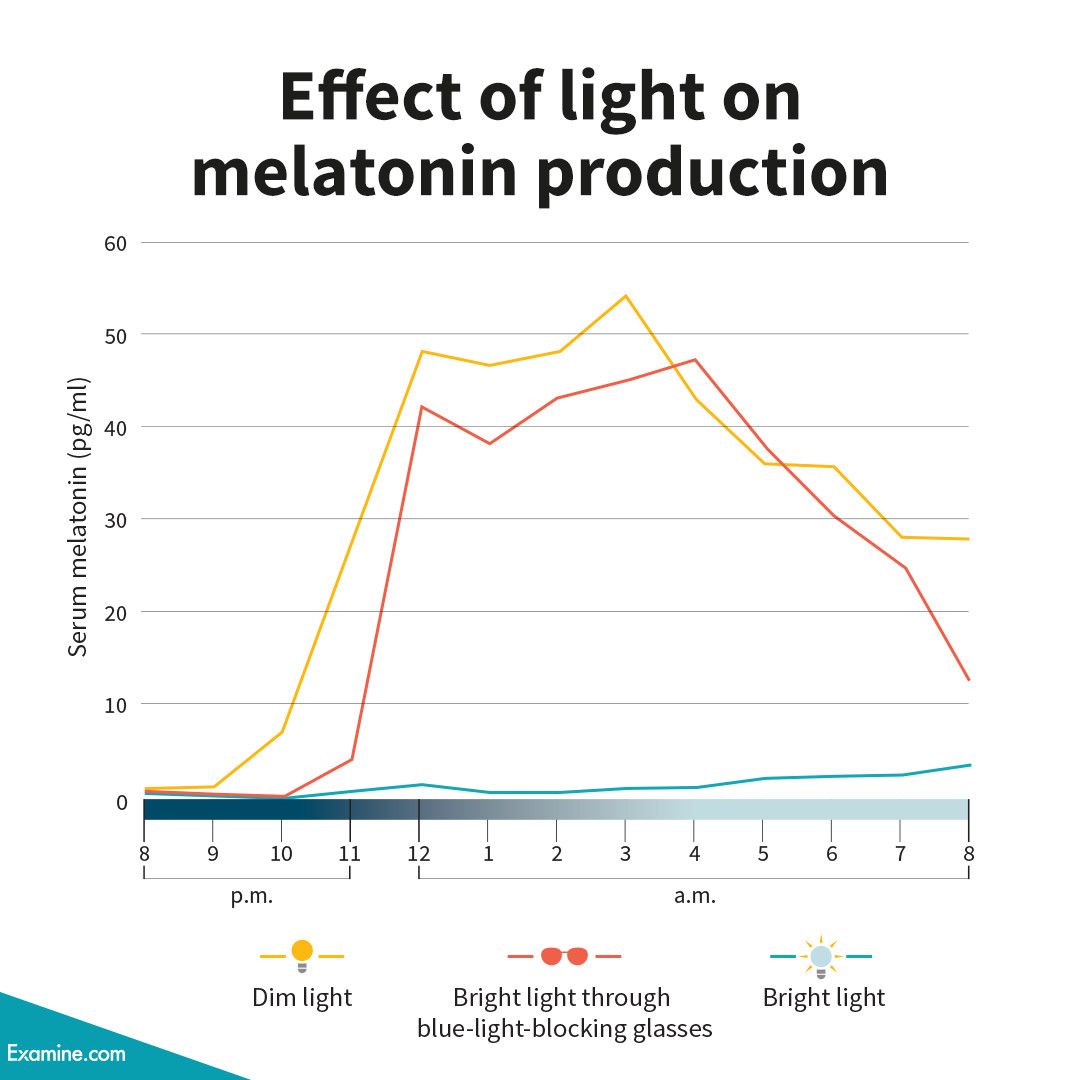
The problem: Blue light (450-480nm wavelength) from phones, computers, tablets, and LED lights directly suppresses melatonin production by 50-85%. Even 30 minutes of screen exposure before bed delays sleep onset by 1-3 hours.
The mechanism: Light enters eyes, hits retinal ganglion cells containing melanopsin (blue light photoreceptor), sends signal to suprachiasmatic nucleus (circadian master clock in brain), which inhibits pineal gland melatonin synthesis. Your brain thinks it is daytime.
The protocol:
2 hours before target bedtime: Digital sunset. Stop using phones, computers, tablets, and TV. If you must use screens, wear blue light blocking glasses (amber or red lenses blocking 450-480nm wavelengths).
Studies show blue blockers restore 90% of normal melatonin production.
Dim household lights: Switch to warm-toned low-wattage bulbs (40W or less, yellow/orange spectrum). Use table lamps instead of overhead lights. Darkness signals to brain that night has arrived.
Alternative activities: Reading physical books (not backlit e-readers), gentle conversation, journaling, stretching, meditation, listening to podcasts or audiobooks with screen off.
Why 2 hours: Melatonin production begins 2-3 hours before habitual bedtime in normal circadian rhythm. Eliminating blue light exposure during this window allows natural melatonin rise.
Exception: Red light (620-750nm wavelength) does not suppress melatonin. Red LED bulbs safe for evening use.
3. Step 2: Eat Dinner 3 Hours Before Sleep (Blood Sugar and Cortisol Connection) 🍽️⏰
The problem: Eating within 2-3 hours of bedtime elevates insulin (to process food), which triggers cortisol release. Digesting food also raises core body temperature and activates sympathetic nervous system (opposite of what you need for sleep).
The mechanism: Food intake (especially carbohydrates) causes blood sugar rise. Pancreas releases insulin to shuttle glucose into cells. Insulin secretion stimulates cortisol production through complex hormonal feedback loops. Additionally, active digestion diverts blood flow to digestive system and generates metabolic heat, both incompatible with sleep initiation.
The protocol:
Finish last meal 3 hours before bedtime. If bedtime is 10 PM, finish dinner by 7 PM. This allows insulin to return to baseline, cortisol to decline naturally, digestion to complete, and core body temperature to drop.
Meal composition matters: Avoid large high-carb meals late (causes bigger insulin spike). Heavy, fatty, or spicy foods delay gastric emptying, causing discomfort when lying down. Better: moderate protein, complex carbs, vegetables.
What if you are hungry: Small protein-based snack okay 1-2 hours before bed (Greek yogurt, handful of nuts, small protein shake). Avoid sugar and simple carbs.
Circadian eating: Eating earlier (before 7 PM) aligns with natural circadian rhythm where metabolism is optimized earlier in day. Late-night eating associated with weight gain and metabolic dysfunction independent of total calories.
4. Step 3: The Cortisol-Lowering Wind-Down Routine (Magnesium, Breathing, Temperature) 🧘♂️💊
Magnesium glycinate (200-400mg, 1 hour before bed): Magnesium is NMDA receptor antagonist, reducing neural excitation and promoting relaxation. Also required cofactor for GABA synthesis (primary inhibitory neurotransmitter). Glycinate form (bonded to glycine amino acid) is highly absorbable and has calming effects. Studies show magnesium reduces cortisol by 15-20% and improves sleep quality. Take 200-400mg 1 hour pre-bed.
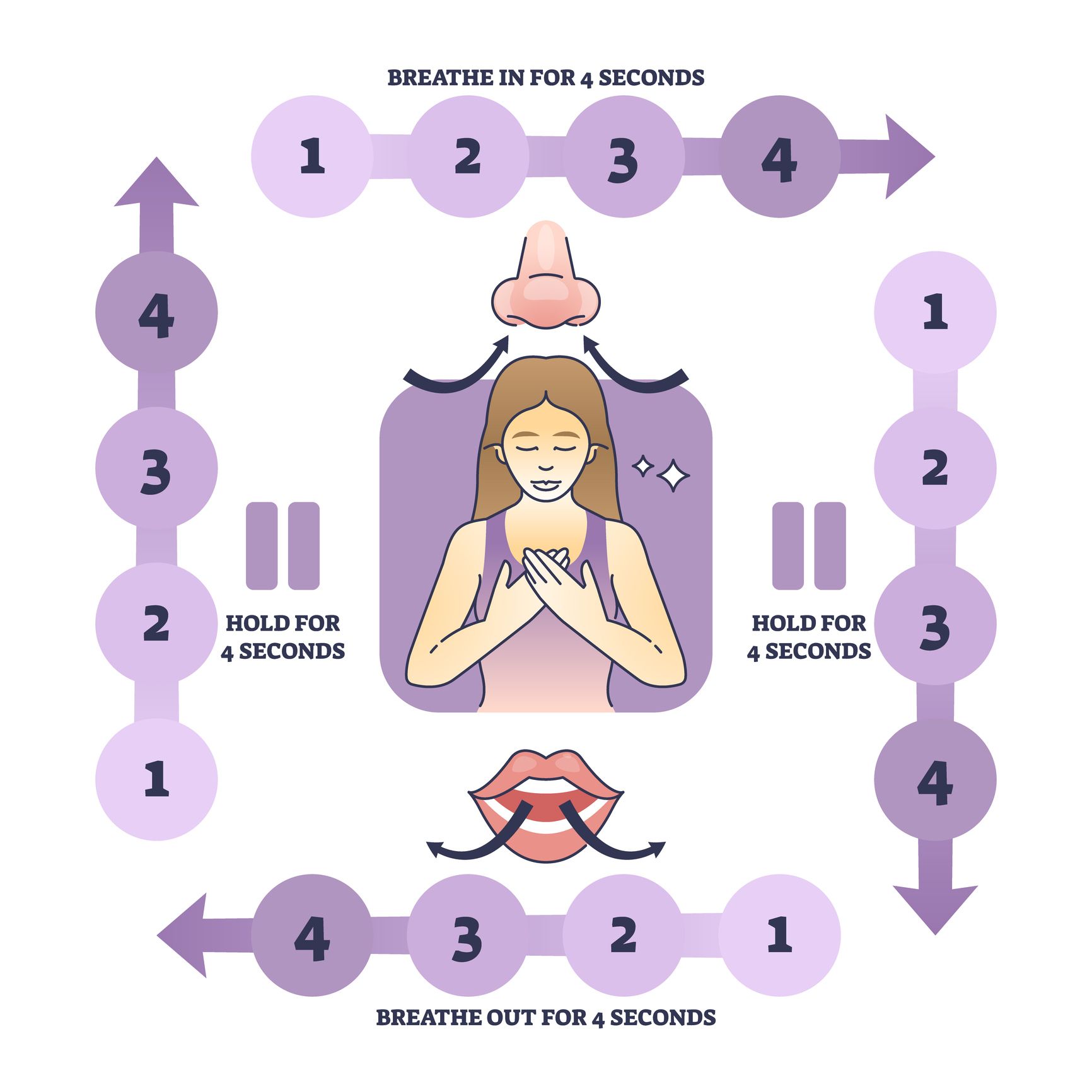
Box breathing (4-4-4-4 pattern, 5-10 minutes): Controlled breathing activates parasympathetic nervous system (rest and digest mode), lowering heart rate and cortisol. Technique: Inhale 4 counts, hold 4 counts, exhale 4 counts, hold 4 counts. Repeat for 5-10 minutes. Studies show this reduces cortisol by 15-25% within minutes.
Hot bath or shower (90 minutes before bed): Immersion in hot water (102-104°F/39-40°C) for 10-20 minutes raises core body temperature. When you exit, core temperature drops rapidly. This temperature decline mimics natural circadian temperature drop that triggers sleep onset. Timing matters: 90 minutes before bed allows temperature to decline by bedtime. Adding Epsom salts (magnesium sulfate) provides additional magnesium absorption through skin.
Progressive muscle relaxation: Systematically tense and release muscle groups (feet, calves, thighs, abdomen, chest, arms, face) for 10-15 minutes. Reduces physical tension and cortisol.
Gentle stretching or yoga: 10-15 minutes of light stretching or restorative yoga poses (child's pose, legs up wall, reclined butterfly) activate parasympathetic system and release muscle tension.
Avoid: Intense exercise within 3 hours of bedtime (spikes cortisol and raises core temperature), stimulating activities (action movies, heated discussions, work tasks), bright lights.
5. Step 4: Create the Perfect Sleep Environment (Darkness, Temperature, Noise Control) 🛏️🌡️

Complete darkness: Even small amounts of light (5-10 lux, equivalent to nightlight or streetlight through curtains) suppress melatonin production. Solutions: Blackout curtains blocking all external light, cover or remove LED lights from electronics (alarm clocks, chargers, power strips), use electrical tape over indicator lights, wear sleep mask if necessary. Your bedroom should be pitch black, unable to see your hand in front of face.
Cool temperature (60-67°F / 15-19°C): Core body temperature must drop 1-2°F for sleep initiation and maintenance. Warm room prevents this temperature decline, blocking deep sleep. Optimal bedroom temperature: 60-67°F (15-19°C), on cooler end of spectrum. Use fan, AC, or open window. Warm extremities (hands, feet) help: wear socks or use hot water bottle, which dilates peripheral blood vessels allowing core heat to dissipate.
White noise or silence: Sudden noises (traffic, neighbors, pets) trigger cortisol spikes and wake you. Solutions: White noise machine (masks disruptive sounds with consistent neutral frequency), fan (provides white noise plus cooling), earplugs (blocks sounds entirely), soundproofing (heavy curtains, weather stripping under doors).
Remove sleep disruptors: Television out of bedroom (screen light, stimulating content), work materials (psychological stress association), clutter (visual stress), phone (place across room or outside bedroom to avoid checking).
Bed for sleep only: Train brain that bed equals sleep, not wakefulness. Avoid reading, watching TV, scrolling phone, working, or eating in bed. Exception: sex and brief reading immediately before lights out acceptable.
💡 Pro Tip: Consistency matters more than perfection. Following this routine 6-7 nights per week creates strong circadian entrainment, making sleep easier even on occasional off nights.
Feeling Anxious? You are not alone

Get help from a licensed therapist - anytime, anywhere. BetterHelp has helped over 5 million people, with no commitment, 100% online.
Take the first step, with 25% off your first month, and a network of 30,000 therapists to choose from. BetterHelp therapy is HSA + FSA eligible. Just take our quiz to get matched with a therapist and start your journey.
This email was delivered by a third-party, on behalf of BetterHelp. Copyright © 2025 BetterHelp. All Rights Reserved. 990 Villa St, Mountain View, California, United States.
Takeaways
Cortisol should decline at night (lowest 10 PM to 2 AM) allowing melatonin rise for sleep initiation, but modern factors including blue light (suppresses melatonin 50-85%), late eating (insulin triggers cortisol), and stress keep cortisol elevated, creating "tired but wired" state blocking sleep onset and reducing deep sleep quality.
Digital sunset 2 hours pre-bed eliminating screens and dimming lights allows natural melatonin production, finishing dinner 3 hours before sleep prevents insulin-cortisol spike, and wind-down routine including magnesium glycinate 200-400mg, box breathing 4-4-4-4 pattern (lowers cortisol 15-25%), and hot bath 90 minutes pre-bed triggers temperature drop initiating sleep.
Perfect sleep environment requires complete darkness (even 5-10 lux suppresses melatonin), cool temperature 60-67°F/15-19°C (enables core temperature decline needed for deep sleep), and white noise masking disruptive sounds, with consistent routine 6-7 nights weekly creating circadian entrainment for reliable sleep quality.
Feedback & Sponsorship
What'd you think of this week's newsletter? Hit reply to let us know. Did we crush it? Blow your mind? We read every response.
Want your brand in front of hundreds of thousands of readers? Contact us for sponsorship opportunities [email protected]
Want more where that came from? Head to our website
Reply