- Aeviva
- Posts
- How to Recover From a Hangover as Quickly as Possible: The Complete Science-Based Guide
How to Recover From a Hangover as Quickly as Possible: The Complete Science-Based Guide
From prevention strategies before drinking to targeted treatments for headache, nausea, dehydration, and detoxification the morning after

In partnership with

Estimated Read Time: 7 minutes
A New Year Message: Your Health is Your Wealth 🎊💚
Happy New Year from all of us at Aeviva!
As we step into 2025, there's no better time to reflect on what truly matters: your health. In a world obsessed with career success, material possessions, and social media validation, we often forget that none of it means anything without our health. You can have all the money in the world, but if you're sick, exhausted, or in pain, you can't enjoy any of it.
This year, make a commitment to yourself: prioritize your health above everything else. Not in a restrictive, punishment-focused way, but with genuine care and respect for the only body you'll ever have. That means making informed choices, understanding how your body works, and knowing how to support it - even when you indulge.
Speaking of indulgence... we know many of you celebrated New Year's Eve and might be feeling the consequences right now. So let's start 2025 with practical, science-based knowledge: how to prevent and recover from hangovers as quickly as possible.
Your health is your foundation. Protect it, nurture it, and invest in it - because this is YOUR year for better health.
Now, let's talk about hangover recovery.
Today's Issue
Main Topic: Evidence-based strategies to prevent hangovers before drinking and scientifically proven treatments for headache, nausea, dehydration, stomach problems, and detoxification after drinking
Subtitles:
Before drinking: prevention strategies (PPI inhibitors, electrolytes, NAC supplementation)
After the hangover: targeted treatments for each symptom (headache, nausea, dehydration, stomach issues, detoxification)
Abstract: Hangovers result from multiple physiological disruptions including dehydration (alcohol inhibits ADH hormone causing 4x normal urine production), acetaldehyde toxicity (alcohol metabolite causing nausea, headache, inflammation), electrolyte depletion (loss of sodium, potassium, magnesium through urination), stomach irritation (alcohol increases gastric acid production and damages gut lining), and glutathione depletion (primary antioxidant defending against acetaldehyde). Prevention strategies before drinking include taking PPI inhibitors (proton pump inhibitors like omeprazole 20-40mg blocking gastric acid production for individuals with reflux/stomach sensitivity), consuming electrolyte drinks (replacing anticipated losses of sodium, potassium, magnesium), and supplementing NAC (N-acetylcysteine 600-1200mg boosting glutathione production for acetaldehyde detoxification). Post-hangover treatments target specific symptoms: headache and pain managed with aspirin 500-1000mg or naproxen 220-440mg (avoid paracetamol/acetaminophen exceeding 500mg due to liver toxicity risk when combined with alcohol), plus caffeine 100-200mg (constricts blood vessels reducing headache); nausea treated with ginger supplements 1000mg or ginger shots (inhibits serotonin receptors in gut); dehydration addressed through aggressive water intake 2-3 liters plus electrolyte solutions (oral rehydration salts containing sodium, potassium, glucose); stomach problems managed with probiotics (restoring gut flora damaged by alcohol), alginate antacids (forming protective barrier over stomach lining), and H2 blockers; detoxification accelerated with NAC 600-1200mg (replenishing glutathione), milk thistle extract 150-300mg (silymarin protecting liver cells), and artichoke extract (stimulating bile production enhancing toxin elimination).
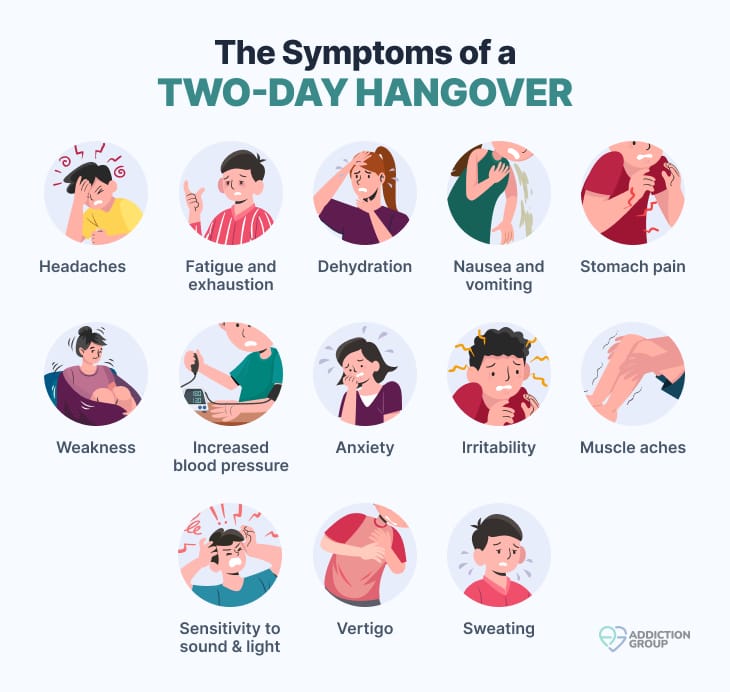
Hangovers are not simply "dehydration" as commonly believed, but rather a complex multi-system physiological crisis involving simultaneous dehydration, toxic metabolite accumulation, electrolyte imbalance, gastrointestinal inflammation, immune activation, and oxidative stress. When you consume alcohol, your liver metabolizes it through a two-step process: first, alcohol dehydrogenase (ADH) converts ethanol to acetaldehyde (the primary toxin causing hangover symptoms, 10-30 times more toxic than alcohol itself), then aldehyde dehydrogenase (ALDH) converts acetaldehyde to harmless acetic acid using glutathione as a cofactor. However, when alcohol consumption exceeds your liver's processing capacity (generally more than one drink per hour), acetaldehyde accumulates in your bloodstream causing nausea, headache, rapid heartbeat, and inflammation, while glutathione stores become depleted leaving you vulnerable to oxidative damage. Simultaneously, alcohol inhibits vasopressin (ADH hormone) causing kidneys to produce 3-4x normal urine volume, leading to dehydration and electrolyte loss (particularly sodium, potassium, and magnesium critical for nerve and muscle function). Alcohol also irritates the stomach lining by increasing gastric acid production and disrupting the protective mucus layer, causing nausea, vomiting, and diarrhea, while damaging gut bacteria and increasing intestinal permeability ("leaky gut").
Join 500,000+ Successful Weight-Loss Patients

Over 500,000 patients have achieved life-changing weight loss with MedVi’s personalized GLP-1 treatments. Enjoy science-backed support, real results, and a program designed to help you feel your best.
Read all warnings before using GLP-ls. Side-effects may include a risk of thyroid c-cell tumors. Do not use GLP-1s if you or your family have a history of thyroid cancer. In certain situations, where clinically appropriate, a provider may prescribe compounded medication, which is prepared by a state-licensed sterile compounding pharmacy partner. Although compounded drugs are permitted to be prescribed under federal law, they are not FDA-approved and do not undergo FDA review for safety, effectiveness, or manufacturing quality.
1. Before Drinking: Prevention Strategies That Actually Work 🛡️💊

The best hangover cure is prevention. Strategic supplementation and preparation before drinking can reduce hangover severity by 50-70% by protecting your stomach, supporting detoxification, and preventing electrolyte depletion.
STOMACH PROTECTION: PPI Inhibitors for Reflux-Prone Individuals
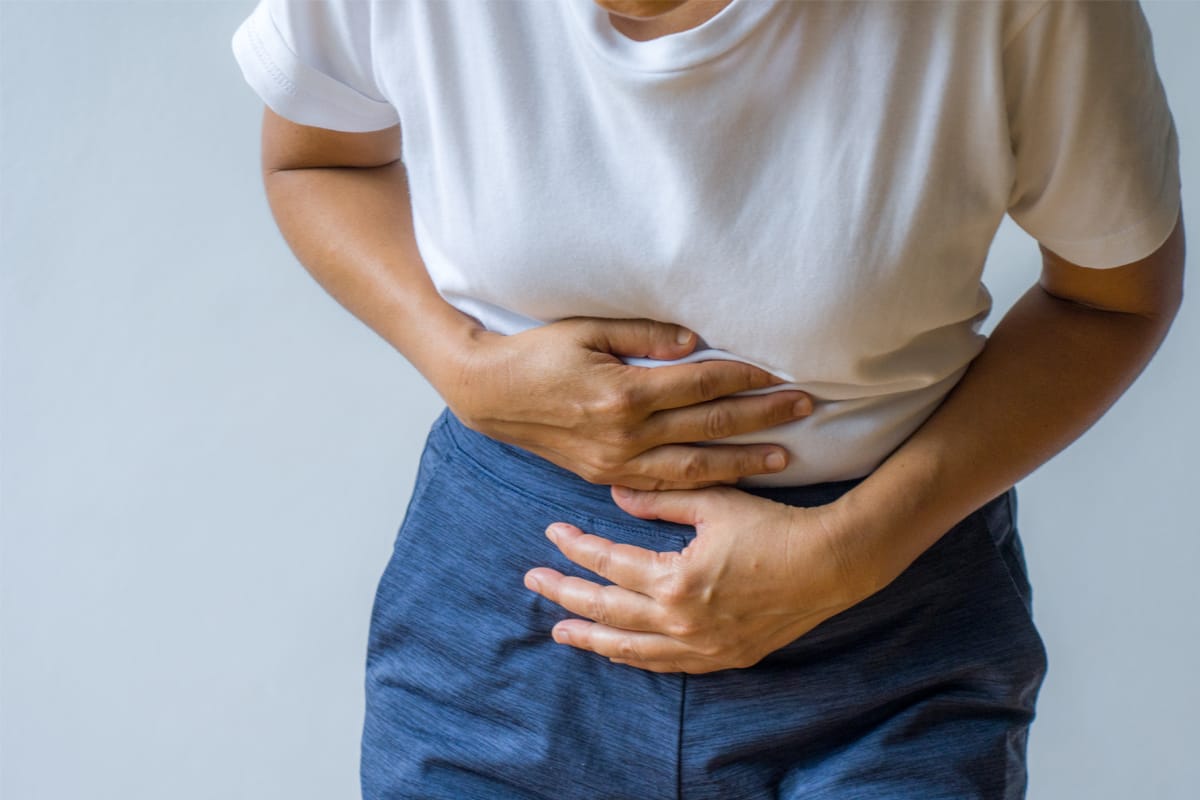
The problem: Alcohol stimulates gastric acid production by 2-3x normal levels while simultaneously weakening the lower esophageal sphincter (allowing acid to flow back into esophagus) and damaging the protective mucus lining of your stomach. For people with existing reflux, gastritis, or sensitive stomachs, this creates severe heartburn, stomach pain, and nausea during and after drinking.
The solution: Proton Pump Inhibitors (PPIs) like omeprazole (Prilosec), esomeprazole (Nexium), or pantoprazole block the enzyme in stomach cells that produces acid, reducing acid production by 90%+ for 12-24 hours.
Protocol: Take 20-40mg of omeprazole or equivalent PPI 30-60 minutes before you start drinking. PPIs need time to be absorbed and inhibit acid-producing cells, so timing is critical. Don't take it right before your first drink.
Important note: PPIs are safe for occasional use but shouldn't be taken daily long-term without medical supervision (can affect nutrient absorption and bone density). Using them preventively before a night of drinking 1-2 times per month is fine.
ELECTROLYTE PRELOADING: Preventing Dehydration Before It Starts
The problem: Alcohol inhibits vasopressin (antidiuretic hormone), causing your kidneys to produce excessive urine. You lose not just water but also critical electrolytes: sodium (regulates fluid balance, nerve signals), potassium (muscle function, heart rhythm), and magnesium (energy production, preventing cramps).
The solution: Drink electrolyte-rich beverages BEFORE you start drinking alcohol, creating a "buffer" of hydration and minerals your body will draw from throughout the night.
Protocol:
Drink 500-750ml of electrolyte solution 1-2 hours before drinking alcohol. Options include: sports drinks (Gatorade, Powerade - though high in sugar), electrolyte packets (Liquid IV, DripDrop, Pedialyte packets), or homemade solution (1 liter water + 1/2 teaspoon salt + 1/4 teaspoon potassium salt/NoSalt + 2 tablespoons honey or sugar).
Alternate alcoholic drinks with water or electrolyte drinks throughout the night (1:1 ratio - one glass of water for every alcoholic drink).
Why it works: Pre-loading electrolytes ensures you start from a position of optimal hydration. Even as alcohol causes fluid loss, you're depleting reserves rather than starting from baseline, reducing dehydration severity.
NAC (N-ACETYLCYSTEINE): Boosting Glutathione for Detoxification
The problem: Your liver detoxifies acetaldehyde (toxic alcohol metabolite) using glutathione, your body's master antioxidant. When you drink heavily, glutathione stores become depleted within 2-4 hours, leaving acetaldehyde to accumulate and cause hangover symptoms (nausea, headache, fatigue, body aches).
The solution: NAC (N-acetylcysteine) is a precursor to glutathione - your body converts NAC into cysteine, then into glutathione. Taking NAC before drinking increases available glutathione, allowing your liver to process acetaldehyde more efficiently.
Protocol: Take 600-1200mg NAC 30-60 minutes before drinking. This gives your body time to convert NAC to glutathione before alcohol metabolism begins producing acetaldehyde.
The science: Studies show NAC supplementation reduces hangover severity by 30-50% and decreases acetaldehyde-related symptoms (nausea, headache). A Korean study found 1200mg NAC before drinking reduced next-day hangover symptoms significantly compared to placebo.
SUMMARY - PRE-DRINKING PROTOCOL:
60 minutes before drinking: PPI inhibitor (if you have reflux/stomach issues) + 600-1200mg NAC
30-60 minutes before drinking: 500-750ml electrolyte drink
During drinking: Alternate each alcoholic drink with water or electrolyte solution
Before bed: Large glass of water + additional electrolytes
💡 Pro Tip: Keep NAC, electrolyte packets, and PPI in your bathroom cabinet or bag so you remember to take them BEFORE going out. Once you're already drinking, you'll forget or not care.
2. After the Hangover: Targeted Treatments for Each Symptom 💊🚑
Despite best prevention efforts, you might still wake up hungover. Here's how to treat each symptom systematically based on the underlying physiological problem.
HEADACHE AND PAIN: Safe Pain Relief

The cause: Alcohol causes headaches through multiple mechanisms: dehydration (reduced brain volume creates tension), blood vessel dilation (alcohol initially constricts then dilates vessels causing throbbing pain), acetaldehyde inflammation, and disrupted sleep (poor sleep quality increases pain sensitivity).
Treatment options:
Aspirin (500-1000mg): Aspirin inhibits prostaglandins (inflammatory molecules causing pain) and prevents platelet aggregation (reducing inflammation). Take 500mg initially, can repeat with additional 500mg after 4-6 hours if needed. Maximum 3000mg per day.
Naproxen (220-440mg): Longer-acting NSAID (non-steroidal anti-inflammatory) providing 8-12 hours of pain relief. Take 220mg initially (can take two 220mg tablets for 440mg if headache is severe). Don't exceed 660mg in 24 hours for OTC use.
Paracetamol/Acetaminophen (MAXIMUM 500mg, use with extreme caution): Normally safe pain reliever, but DANGEROUS when combined with alcohol because both are metabolized by liver. Alcohol depletes glutathione needed to safely process paracetamol metabolites, increasing risk of liver toxicity. If you must take it, limit to ONE 500mg dose and ensure you're drinking lots of water. Never exceed 1000mg when hungover. Aspirin or naproxen are safer choices.
Caffeine (100-200mg): Caffeine constricts blood vessels (counteracting alcohol-induced dilation) and blocks adenosine receptors (reducing pain perception). Drink strong coffee (200mg caffeine), espresso (60-80mg), or take caffeine pills. Caffeine also combats fatigue and improves mental clarity.
Combination approach: Aspirin or naproxen + coffee is highly effective. The pain reliever reduces inflammation while caffeine addresses vascular headache and fatigue.
NAUSEA AND VOMITING: Calming Your Stomach
The cause: Acetaldehyde directly irritates stomach lining and triggers nausea centers in your brain. Alcohol also disrupts normal stomach motility (movement), delays gastric emptying, and damages the protective mucus layer.
Treatment options:
Ginger (1000mg supplement or fresh ginger shots): Ginger contains gingerols and shogaols that block serotonin receptors (5-HT3) in the gut responsible for nausea signaling. It's as effective as pharmaceutical anti-nausea medications for many people. Take 1000mg ginger supplement or consume fresh ginger (grate 1-2 inches fresh ginger into hot water, or take ginger shots available at juice bars). Can repeat every 4 hours.

Ginger tea: Simmer fresh ginger slices in water for 10 minutes, add honey and lemon. Sip slowly.
Vitamin B6 (50mg): Some studies suggest B6 reduces nausea, though evidence is mixed for hangovers specifically. Worth trying if ginger doesn't help.
Bland foods: Once you can tolerate eating, stick to easily digestible foods: bananas (potassium), rice, applesauce, toast (BRAT diet). Avoid greasy, spicy, or acidic foods that further irritate your stomach.
When to see a doctor: If you're vomiting repeatedly for more than 12 hours and can't keep down water, seek medical attention for IV fluids. Severe vomiting can cause dangerous dehydration and electrolyte imbalances.
DEHYDRATION: Aggressive Rehydration

The cause: Alcohol inhibits vasopressin (ADH), causing excessive urination. You can lose 1-2 liters of fluid overnight, leading to dehydration symptoms: dry mouth, dizziness, fatigue, concentrated dark urine, rapid heartbeat.
Treatment protocol:
Water (2-3 liters throughout the day): This is THE most important hangover treatment. Drink water consistently - 250ml every 30 minutes rather than chugging huge amounts at once (which can cause nausea). Rehydration serves two purposes: 1) Replenishes lost fluid, restoring blood volume and cellular function. 2) Dilutes toxins in your bloodstream and increases urine production, helping flush out remaining acetaldehyde and alcohol metabolites faster.
Electrolyte solutions (oral rehydration salts): Water alone isn't enough because you've lost electrolytes (sodium, potassium, chloride, magnesium). Drink electrolyte solutions containing these minerals: Pedialyte, sports drinks, electrolyte packets (Liquid IV, DripDrop, Nuun), or homemade ORS (oral rehydration solution: 1 liter water + 6 teaspoons sugar + 1/2 teaspoon salt). Drink 500-1000ml of electrolyte solution in addition to regular water.
Isotonic drinks: Drinks with similar osmolarity to blood (like sports drinks or ORS) are absorbed faster than plain water, speeding rehydration.
Avoid: Coffee as your primary fluid (caffeine is diuretic, worsening dehydration), sugary sodas (high sugar delays absorption), energy drinks (more stimulants stress your already-taxed system).
STOMACH PROBLEMS, DIARRHEA, AND REFLUX: Restoring Gut Health
The cause: Alcohol damages gut lining, kills beneficial bacteria, increases intestinal permeability ("leaky gut"), stimulates acid production, and irritates the stomach and intestines. Result: diarrhea, stomach cramps, bloating, reflux.
Treatment options:
Probiotics: Alcohol disrupts your gut microbiome, killing beneficial bacteria and allowing harmful bacteria to proliferate. Taking probiotics (beneficial bacteria) helps restore balance. Use multi-strain probiotics containing Lactobacillus and Bifidobacterium species (10+ billion CFU). Take on empty stomach or with light food.
Alginate antacids (Gaviscon): If you're experiencing ongoing reflux or heartburn, alginate antacids create a physical foam barrier floating on top of stomach contents, preventing acid from refluxing into esophagus. More effective than regular antacids (Tums, Rolaids) for reflux. Take after meals and before bed.
Bland, easy-to-digest foods: Bananas (potassium, easy on stomach), rice, oatmeal, toast, applesauce, chicken broth (electrolytes + easy to digest).
DETOXIFICATION: Supporting Your Liver
The cause: Your liver is working overtime to convert toxic acetaldehyde to harmless acetic acid. This process requires glutathione (which is depleted) and creates oxidative stress (free radical damage). Supporting liver detoxification pathways can speed recovery.
Treatment options:
NAC (N-acetylcysteine) 600-1200mg: Even if you took NAC before drinking, take another dose the morning after. NAC replenishes glutathione stores, allowing your liver to continue detoxifying remaining acetaldehyde efficiently. Studies show NAC reduces hangover duration and severity. Take 600mg in morning, can repeat 600mg in afternoon if still feeling bad.

Milk thistle extract (silymarin 150-300mg): Milk thistle contains silymarin, a compound that protects liver cells from oxidative damage, reduces inflammation, and supports liver regeneration. Multiple studies show silymarin prevents alcohol-induced liver damage. Take 150mg 2-3x daily or 300mg once daily.
Artichoke extract: Artichoke stimulates bile production (bile helps eliminate toxins and waste products from liver). Artichoke extract also has antioxidant properties protecting liver cells. Take 300-640mg standardized extract.
Other liver-supporting supplements (optional):
Vitamin C (500-1000mg): Antioxidant that supports glutathione recycling and reduces oxidative stress.
Vitamin B complex: Alcohol depletes B vitamins (especially B1, B6, B12) involved in energy metabolism. B-complex supports recovery.
Alpha-lipoic acid (300-600mg): Powerful antioxidant that regenerates glutathione and protects liver cells.
EMERGING RESEARCH: Probiotics That Digest Acetaldehyde
The science: Recent research shows certain probiotic bacteria can metabolize acetaldehyde directly in your gut, converting it to harmless acetic acid before it enters your bloodstream. Specific strains showing promise:
Lactobacillus rhamnosus GG: Produces aldehyde dehydrogenase (ALDH), the enzyme that breaks down acetaldehyde.
Bifidobacterium bifidum: Also expresses ALDH activity.
Lactobacillus plantarum: Rapidly metabolizes acetaldehyde in vitro studies.
Potential application: Taking these specific probiotic strains before drinking might reduce acetaldehyde absorption from your gut, decreasing hangover severity. This is cutting-edge research - products specifically formulated with acetaldehyde-metabolizing bacteria are starting to appear ("anti-hangover probiotics").
Current availability: Look for probiotic supplements containing L. rhamnosus GG or L. plantarum. While not proven specifically for hangovers in large human trials, these strains support gut health generally and may provide acetaldehyde-metabolizing benefits.
SUMMARY - POST-HANGOVER PROTOCOL:
Immediately upon waking: 500ml water + electrolyte solution
Morning: Aspirin or naproxen (with food) + coffee + 1000mg ginger (if nauseous) + 600mg NAC + 150-300mg milk thistle
Throughout day: Drink 2-3 liters water + electrolyte solutions, eating bland foods when tolerated
Lunch/afternoon: Probiotics + more water + additional 600mg NAC if still feeling bad
Dinner: Easily digestible meal (soup, rice, chicken) + continue hydration
Before bed: Water + electrolytes to prevent next-day residual dehydration
💡 Critical Reminder: The only guaranteed way to avoid a hangover is not drinking, or limiting alcohol to 1-2 drinks consumed slowly over several hours with food. All treatments above minimize symptoms but can't completely reverse the toxic effects of excessive alcohol consumption. Your liver needs time to process toxins - there's no magic instant cure.
Feeling Anxious? You are not alone

Get help from a licensed therapist - anytime, anywhere. BetterHelp has helped over 5 million people, with no commitment, 100% online.
Take the first step, with 25% off your first month, and a network of 30,000 therapists to choose from. BetterHelp therapy is HSA + FSA eligible. Just take our quiz to get matched with a therapist and start your journey.
This email was delivered by a third-party, on behalf of BetterHelp. Copyright © 2025 BetterHelp. All Rights Reserved. 990 Villa St, Mountain View, California, United States.
Takeaways
Hangovers result from multiple simultaneous physiological disruptions: dehydration (alcohol inhibits ADH causing 3-4x normal urine production), acetaldehyde toxicity (alcohol metabolite 10-30x more toxic than ethanol), electrolyte depletion (loss of sodium, potassium, magnesium), stomach inflammation (increased gastric acid damaging gut lining), and glutathione depletion (exhausting liver's primary antioxidant defending against toxins), requiring targeted interventions addressing each mechanism rather than single "cure."
Prevention before drinking reduces hangover severity by 50-70%: take PPI inhibitor 30-60 minutes before drinking (if prone to reflux/stomach issues), consume 500-750ml electrolyte drinks preloading minerals, and supplement 600-1200mg NAC boosting glutathione production for acetaldehyde detoxification, then alternate alcoholic drinks 1:1 with water throughout the night maintaining hydration.
Post-hangover treatment targets specific symptoms: headache managed with aspirin 500-1000mg or naproxen 220-440mg plus caffeine 100-200mg (avoid paracetamol >500mg due to liver toxicity risk), nausea treated with 1000mg ginger, dehydration addressed through 2-3 liters water plus electrolyte solutions accelerating toxin elimination, stomach problems managed with probiotics and alginate antacids, and detoxification supported with NAC 600-1200mg, milk thistle 150-300mg, and artichoke extract replenishing depleted glutathione and protecting liver cells from oxidative damage.
Feedback & Sponsorship
What'd you think of this week's newsletter? Hit reply to let us know. Did we crush it? Blow your mind? We read every response.
Want your brand in front of hundreds of thousands of readers? Contact us for sponsorship opportunities [email protected]
Want more where that came from? Head to our website
Reply