- Aeviva
- Posts
- Vitamins in Beer, Antioxidants in Wine: The Science of What’s Actually Healthy in Alcohol
Vitamins in Beer, Antioxidants in Wine: The Science of What’s Actually Healthy in Alcohol
Red wine has antioxidants, beer has B vitamins, and tequila is "low calorie" - but alcohol itself is still toxic

In partnership with

Estimated Read Time: 6 minutes
Red wine contains resveratrol, a powerful antioxidant linked to heart health and longevity.
Beer provides B vitamins, minerals, and even some protein from yeast.
But alcohol itself is classified as a Group 1 carcinogen by the WHO - no amount is truly "healthy."Today's Issue
Today's Issue
Main Topic: Breaking down what's actually in alcoholic drinks - nutrients, calories, and why the alcohol negates any benefits
Subtitles:
Red wine: the antioxidants, polyphenols, and the "French paradox"
Beer: B vitamins, minerals, and why "liquid bread" isn't as nutritious as it sounds
Clear spirits: the "cleanest" alcohol with minimal additives (but still alcohol)
Cocktails and mixers: where the real calorie and sugar bombs hide
The hard truth: alcohol's harm outweighs any nutritional benefits
Abstract: Alcoholic beverages contain various compounds beyond ethanol including red wine's polyphenols (resveratrol 0.1-14mg per liter, quercetin, catechins) from grape skins providing antioxidant and anti-inflammatory effects, beer's B vitamins (B2, B3, B6, B9, B12 from yeast), minerals (silicon, selenium, potassium), and soluble fiber from barley (1-2g per pint), and spirits' minimal nutritional content beyond calories (7 calories per gram of alcohol). However, ethanol itself causes oxidative stress, liver damage, increased cancer risk (breast, colorectal, liver, esophageal), cardiovascular damage at higher intakes, and metabolic disruption far outweighing any beneficial compounds. Caloric content varies dramatically: light beer 95-110 calories per 12oz, regular beer 150-180 calories, red wine 120-130 calories per 5oz glass, spirits 97-110 calories per 1.5oz shot (pure alcohol calories), with cocktails ranging 200-800+ calories primarily from added sugars and mixers rather than alcohol. The "French paradox" (lower heart disease despite high-fat diet attributed to red wine) is confounded by overall Mediterranean diet patterns, lifestyle factors, and moderate consumption patterns rather than wine-specific benefits. Current research consensus shows no safe alcohol level, with even moderate drinking (1-2 drinks daily) increasing cancer risk 10-20%, and any cardiovascular benefits appearing only in specific populations (older adults with existing heart disease risk) while increasing harm in others.
The alcohol industry has successfully marketed certain alcoholic beverages as health-promoting or at least health-neutral, capitalizing on genuine scientific findings about beneficial compounds in wine, beer, and spirits while downplaying or ignoring the overwhelming evidence that alcohol itself is toxic to every organ system. Red wine marketing emphasizes resveratrol and the "French paradox," beer is positioned as "liquid bread" providing B vitamins and minerals, clear spirits like vodka and tequila are promoted as "clean" low-calorie options for health-conscious drinkers, and craft cocktails incorporate fresh fruits and herbs to create a veneer of healthfulness. The reality is more complex and less flattering to the industry. While alcoholic beverages do contain various nutrients, antioxidants, and bioactive compounds, the quantities are generally trivial compared to food sources, and more importantly, the presence of ethanol (alcohol) introduces significant health risks that dwarf any potential benefits from accompanying compounds.
Understanding what's actually in different alcoholic drinks, how much of beneficial compounds you'd need to consume to see effects, what the calorie content really is (alcohol provides 7 calories per gram, nearly as much as fat's 9 calories), and how mixers and additives dramatically increase sugar and calorie content reveals why "healthy alcohol" is fundamentally an oxymoron. This newsletter examines the nutritional content of major alcoholic beverage categories, evaluates claims about health benefits, explains why alcohol's harms outweigh any beneficial compounds, and provides honest information about calories and sugar content to help people make informed choices if they choose to drink.
Are You Ready to Climatize?

Climatize hosts vetted renewable energy project offerings across the U.S., including solar installations, battery storage, energy efficiency upgrades, EV charging stations, and more.
Over $13.2M has been invested, and more than $3.6M returned to date. Returns not guaranteed. You can back up offerings from $10.
Climatize is an SEC-registered & FINRA member funding portal. Crowdfunding carries risk, including loss.
1. Red Wine: The Antioxidants, Polyphenols, and the "French Paradox" 🍷❤️
Red wine is the most heavily marketed "healthy" alcohol, primarily based on its polyphenol content.
What's actually in red wine:
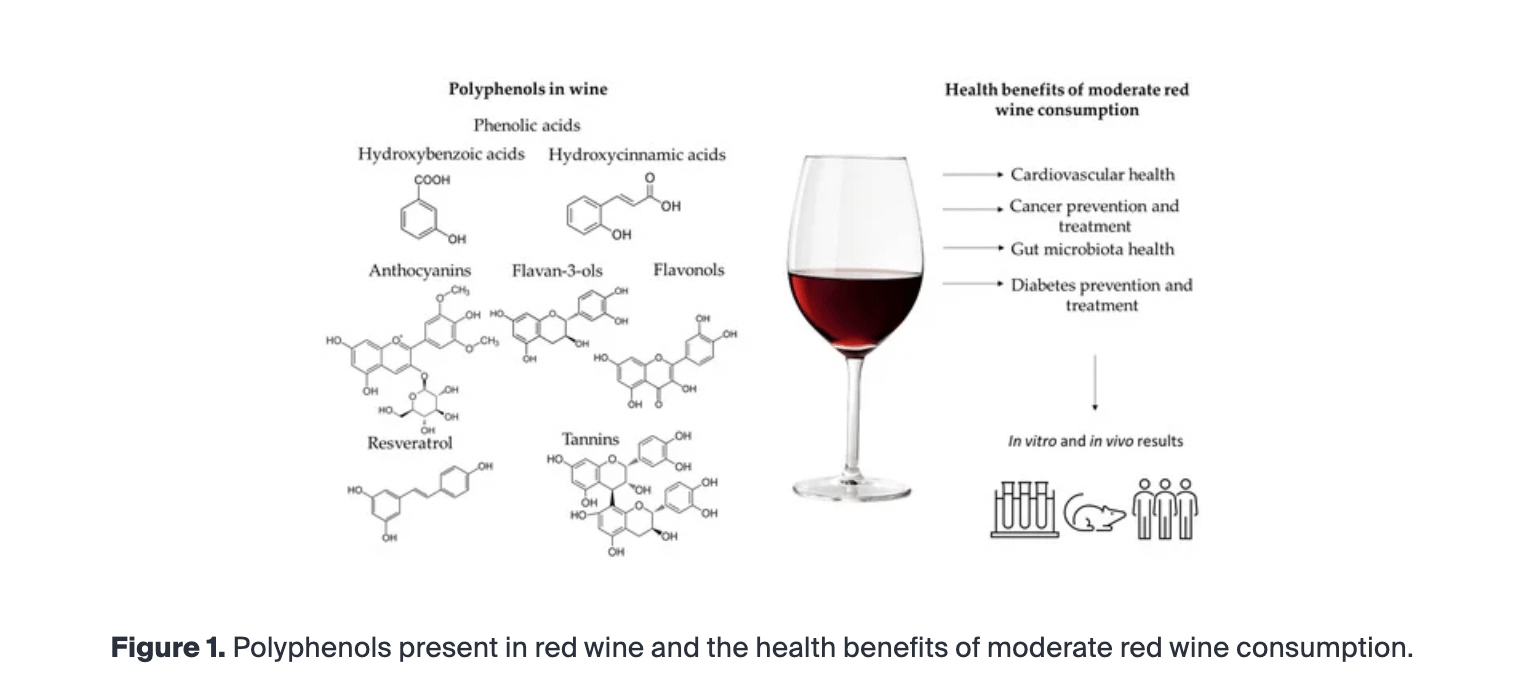
Resveratrol: A polyphenol compound found in grape skins. Red wine contains 0.1-14mg per liter (average 2mg per liter, or about 0.3mg per standard 150ml glass). Resveratrol has anti-inflammatory and antioxidant properties in laboratory studies.
Other polyphenols: Quercetin, catechins, anthocyanins, and tannins. These compounds have antioxidant effects, reducing oxidative stress and inflammation in test tubes and animal studies.
Minerals: Small amounts of potassium, magnesium, iron, and manganese.
Calories: 120-130 calories per 5oz (150ml) glass. Nearly all from alcohol (14% alcohol = 14ml pure ethanol per 100ml wine = 98 calories), with minimal carbohydrates (2-4g residual sugar in dry wines).
The "French paradox":
French people traditionally had lower heart disease rates despite high saturated fat intake (butter, cheese), attributed to red wine consumption. This launched decades of research and marketing around wine's cardiovascular benefits.
The reality: The French paradox is likely explained by overall Mediterranean diet patterns (high fruit, vegetable, and fish intake), smaller portion sizes, more walking, and different meal patterns rather than wine specifically. When controlled for these factors, the wine effect largely disappears.
The resveratrol problem:
To get therapeutic doses of resveratrol shown to have effects in animal studies (50-100mg), you'd need to drink 150-300 glasses of wine daily. The amount in a normal glass (0.3mg) is pharmacologically irrelevant. You get more resveratrol from eating a handful of grapes or peanuts.
Cardiovascular benefits vs risks:
Some studies show moderate red wine consumption (1 glass daily for women, 1-2 for men) associated with 20-30% lower heart disease risk. However, these are observational studies where wine drinkers differ from non-drinkers in many ways (higher income, better healthcare access, healthier overall lifestyles). Randomized controlled trials show minimal cardiovascular benefit and increased risks (cancer, liver damage, accidents).
💡 Critical Context: If you want the beneficial compounds in red wine, eat grapes, berries, dark chocolate, or take a resveratrol supplement. You get 100x more resveratrol without the alcohol's toxic effects.
2. Beer: B Vitamins, Minerals, and Why "Liquid Bread" Isn't as Nutritious as It Sounds 🍺🌾
Beer is sometimes called "liquid bread" because it's made from grains (barley, wheat) and yeast, which do provide some nutrients.
What's actually in beer:
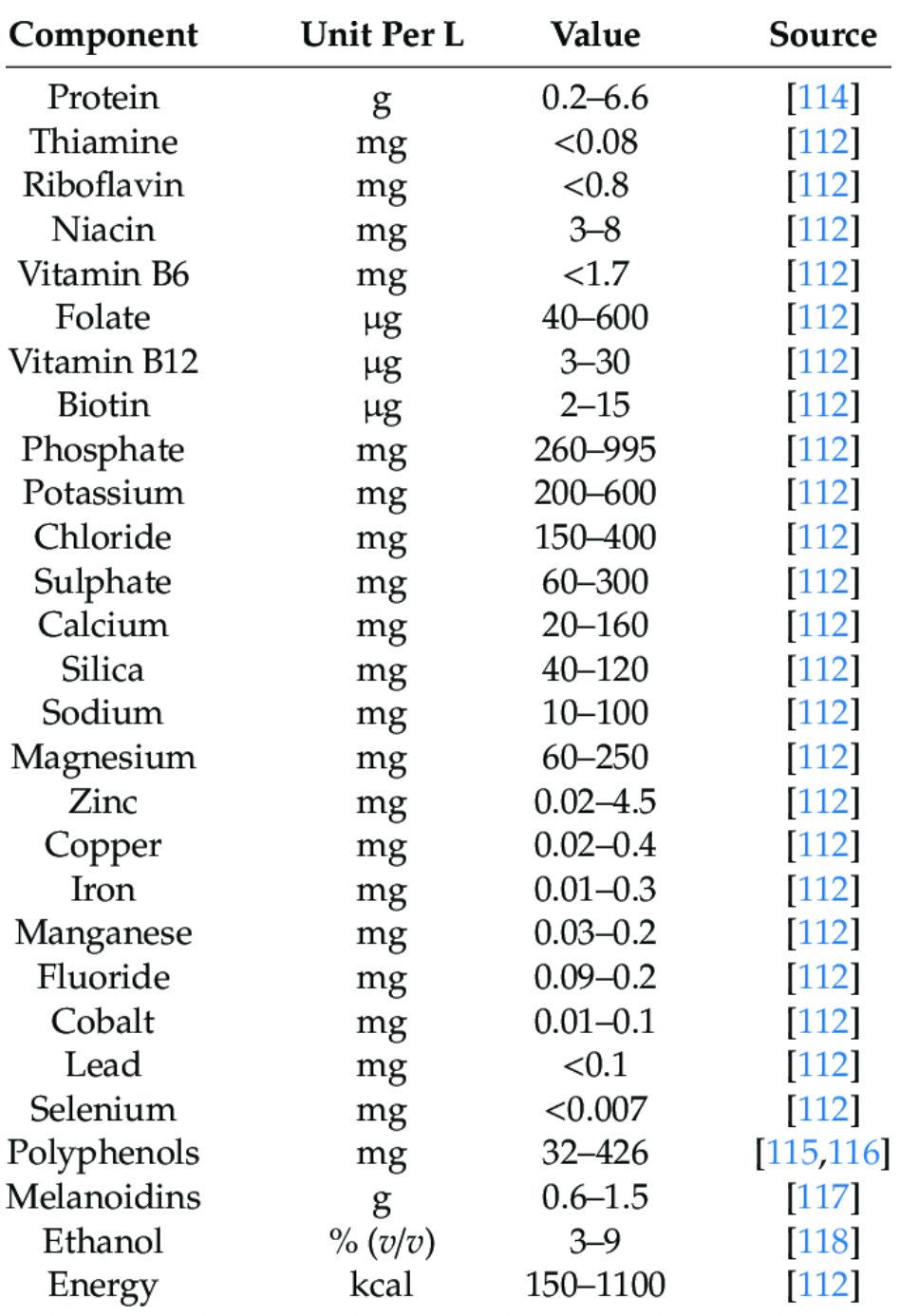
B vitamins: Beer contains B vitamins from yeast, primarily B2 (riboflavin), B3 (niacin), B6, B9 (folate), and B12. A pint (500ml) of beer provides roughly 5-10% of daily B vitamin needs.
Minerals: Silicon (from barley) supporting bone health, selenium (antioxidant), potassium, magnesium, phosphorus. Beer is one of the richest dietary sources of silicon, providing 20-30mg per pint (significant amount).
Soluble fiber: From barley, about 1-2g per pint. Helps with digestion and blood sugar control.
Protein: Minimal, 1-2g per pint from residual yeast and grain proteins.
Polyphenols: From hops and malt, including xanthohumol (from hops) with potential anti-inflammatory effects.
Calories: Highly variable. Light beer 95-110 calories per 12oz, regular beer 150-180 calories, IPAs and craft beers 200-300+ calories. Calories come from alcohol (60-70%) and carbohydrates (30-40%, from residual sugars and maltodextrins).
The "liquid bread" myth:
While beer contains some nutrients from grains and yeast, it's nutritionally inferior to actual bread. You'd need to drink 10-15 pints to get the same B vitamins as eating a slice of whole grain bread, while consuming 1500-2700 calories and massive amounts of alcohol.
The silicon bone health claim:
Beer is genuinely a good source of dietary silicon, which supports bone density. Studies show beer drinkers have slightly higher bone density than non-drinkers. However, heavy alcohol consumption damages bones, so the benefit only exists at low-moderate intake (1-2 beers maximum).
Gluten content:
Regular beer contains gluten from barley/wheat, problematic for celiac disease or gluten sensitivity. Gluten-free beers (made from sorghum, rice, or processed to remove gluten) exist but have similar alcohol content and calories.
💡 Pro Tip: If you want beer's nutrients, eat whole grains, take a B-complex vitamin, and get silicon from bananas or green beans. The nutritional benefits of beer are trivial compared to dietary sources and negated by alcohol's harms.
3. Clear Spirits: The "Cleanest" Alcohol with Minimal Additives (But Still Alcohol) 🥃✨
Vodka, tequila, gin, and rum are often marketed as "clean" or "healthy" alcohol choices because they're low in additives and carbohydrates.
What's actually in clear spirits:
Vodka: Essentially pure ethanol and water. No carbohydrates, no sugar, minimal congeners (byproducts of fermentation causing hangovers). 97 calories per 1.5oz (44ml) shot, all from alcohol.
Tequila (100% agave): Slightly more complex than vodka, contains trace amounts of agavins (natural sugars from agave plant) and small amounts of minerals. 97-105 calories per shot, minimal carbohydrates.
Gin: Vodka infused with botanicals (juniper, coriander, citrus peels). Contains trace antioxidants from botanicals but pharmacologically irrelevant amounts. 97-110 calories per shot.
Rum (white/silver): Distilled from sugarcane or molasses. Clear rums are filtered to remove color and most congeners. 97 calories per shot, no residual sugar in most brands.
The "clean alcohol" marketing:
These spirits are promoted as better choices because they lack the sugars, carbohydrates, and additives in wine, beer, or flavored liquors. This is technically true - they're pure alcohol without extras.

Why "clean" doesn't mean "healthy":
The alcohol itself is the problem. Whether it's delivered via vodka, wine, or beer, ethanol is ethanol. Pure alcohol provides 7 calories per gram (nearly as much as fat's 9 calories per gram), is metabolized by the liver into toxic acetaldehyde, increases cancer risk, and damages every organ system.
Clear spirits aren't "healthier" than wine or beer, they're just more calorie-efficient ways to consume alcohol (fewer calories per unit of alcohol since there are no added sugars or carbs).
The agave/tequila health claims:
Some marketing claims tequila is "healthy" because agave contains inulin (prebiotic fiber) and agavins (natural sugars that don't spike blood sugar). However, distillation removes these compounds. They're in the agave plant, not in distilled tequila. This is pure marketing fiction.
💡 Critical Context: Choosing vodka over beer to "save calories" only works if you drink it straight or with zero-calorie mixers. Most people mix spirits with high-calorie/high-sugar mixers, resulting in more calories than beer.
4. Cocktails and Mixers: Where the Real Calorie and Sugar Bombs Hide 🍹💣

While base spirits have minimal calories (97-110 per shot), cocktails add massive amounts through mixers, syrups, and liqueurs.
Common cocktail calorie counts:
Margarita (8oz): 300-450 calories. Tequila (97 cal) + triple sec (100 cal) + lime juice (minimal) + simple syrup or margarita mix (100-250 cal).
Piña Colada (9oz): 500-650 calories. Rum (97 cal) + coconut cream (150-200 cal) + pineapple juice (120-150 cal) + sugar (100+ cal).
Long Island Iced Tea (8oz): 500-800 calories. Five different spirits (485 cal) + triple sec (100 cal) + sour mix (200+ cal) + cola (100 cal).
Mojito (8oz): 200-250 calories. Rum (97 cal) + simple syrup (50-100 cal) + lime juice (minimal) + muddled mint (minimal) + soda water (0 cal).
Cosmopolitan (4oz): 200-250 calories. Vodka (97 cal) + triple sec (50 cal) + cranberry juice (50-100 cal).
Old Fashioned (4oz): 150-180 calories. Whiskey (97 cal) + sugar cube (25 cal) + bitters (minimal) + orange peel (minimal).
The mixer problem:
Most cocktails derive 40-70% of calories from mixers, not alcohol. Common culprits:
Simple syrup: 50 calories per tablespoon (many cocktails use 2-4 tablespoons).
Fruit juices: Orange juice 110 cal per cup, cranberry juice 115 cal, pineapple juice 130 cal.
Soda/cola: 100-150 calories per can, used in rum and coke, Long Island iced tea, etc.
Cream-based: Baileys Irish Cream 120 cal per shot, Kahlua 90 cal, coconut cream 150-200 cal per serving.
Energy drinks: Red Bull 110 cal per can, added to vodka Red Bulls.
"Skinny" cocktail marketing:
"Skinny margaritas," "light mojitos," and similar drinks replace sugar with artificial sweeteners or reduce mixer volumes. These cut calories from 400 to 150-200 but still contain full alcohol content (the primary health concern).
The hidden sugar:
A typical margarita contains 25-40g sugar (6-10 teaspoons). Piña colada 40-60g sugar. Long Island iced tea 30-50g sugar. This is equivalent to or exceeds the WHO's recommended maximum daily sugar intake (25g for women, 37g for men).
💡 Pro Tip: If minimizing calories, drink spirits with soda water and lime (100 calories), dry wine (120 calories), or light beer (95-110 calories). Avoid cream-based cocktails, sugary mixers, and blended drinks.
Takeaways
Red wine contains polyphenols like resveratrol (0.3mg per glass) and other antioxidants from grape skins, while beer provides B vitamins, minerals like silicon, and soluble fiber from barley, but the quantities are trivial compared to food sources (150 glasses of wine needed for therapeutic resveratrol doses achievable from eating grapes or supplements), and the "French paradox" is explained by overall Mediterranean diet patterns rather than wine specifically.
Clear spirits (vodka, tequila, gin, rum) contain 97-110 calories per shot from pure alcohol with minimal additives or carbohydrates, marketed as "clean" options, but cocktails add 200-700+ calories primarily from mixers (simple syrup 50 cal/tablespoon, fruit juices 110-150 cal/cup, cream liqueurs 120 cal/shot) and 25-60g sugar per drink, exceeding daily recommended sugar intake in a single cocktail.
Alcohol itself is a Group 1 carcinogen increasing breast cancer risk 10-20% at 1 drink daily, colorectal cancer 15-20%, plus causing liver damage, brain damage, and cardiovascular harm that outweigh any beneficial compounds, with current scientific consensus showing no safe alcohol level and any cardiovascular benefits in specific populations dwarfed by cancer risk increases making "healthy alcohol" fundamentally contradictory.
Feedback & Sponsorship
What'd you think of this week's newsletter? Hit reply to let us know. Did we crush it? Blow your mind? We read every response.
Want your brand in front of hundreds of thousands of readers? Contact us for sponsorship opportunities [email protected]
Want more where that came from? Head to our website
TP5 and TP5x, Now Only $44.99

If you know golf, you know the ball matters.
TP5 and TP5x are the balls top players switch to when they want tour-level speed, control, and feel. And this holiday season, TaylorMade has dropped the price to just $44.99.
It’s the perfect gift for the golfer who’s always chasing more consistency or the friend who keeps “borrowing” your balls on the course. Stock up now, for less, and make every round feel a lot more dialed in
Reply