- Aeviva
- Posts
- Liposomal Vitamins: What They Are, How They Work, and Whether They're Worth the Money
Liposomal Vitamins: What They Are, How They Work, and Whether They're Worth the Money
Wrapping vitamins in tiny fat bubbles supposedly increases absorption 10x - but does the science back it up?
In partnership with

Estimated Read Time: 6 minutes
Regular vitamin C has 10-20% absorption - most of what you swallow gets destroyed in your stomach or flushed out.
Liposomal vitamin C claims 90%+ absorption by wrapping it in microscopic fat bubbles that sneak through your gut.
It costs 5-10 times more than regular vitamins, but is it actually better or just clever marketing?
Today's Issue
Main Topic: What liposomal delivery is, how it works, and whether it's worth the premium price
Subtitles:
What liposomes are and how they protect vitamins from stomach acid
The absorption problem: why most oral vitamins have terrible bioavailability
How liposomal encapsulation bypasses digestion and increases absorption
The evidence: studies showing liposomal vs regular vitamin absorption
Which vitamins benefit most from liposomal delivery (and which don't)
Is it worth the price? When to use liposomal supplements vs regular ones
Abstract: Liposomal delivery systems encapsulate vitamins and nutrients inside microscopic phospholipid bilayer vesicles (liposomes, typically 50-200 nanometers diameter) structurally identical to cell membranes, protecting contents from stomach acid degradation and digestive enzymes while enabling direct absorption through intestinal cell membranes via fusion or endocytosis. Regular oral vitamin C (ascorbic acid) has 10-20% bioavailability at doses above 200mg due to saturable intestinal transporters and first-pass metabolism, while liposomal vitamin C studies show 1.5-2x higher blood levels and sustained plasma concentrations versus equivalent doses of standard vitamin C. The technology addresses bioavailability problems for water-soluble vitamins (vitamin C, B-complex) and poorly absorbed compounds (curcumin, glutathione, resveratrol), though fat-soluble vitamins (A, D, E, K) naturally absorb well with dietary fats making liposomal versions unnecessary. Manufacturing quality varies dramatically, with many products containing minimal actual liposomes or using cheaper nanoemulsions instead of true phospholipid vesicles. Premium liposomal supplements cost 5-10x more than standard versions, justified for specific therapeutic applications (high-dose IV-alternative vitamin C therapy, glutathione supplementation) but offering marginal benefit for general wellness supplementation where standard vitamins at higher doses achieve similar results more economically.
Liposomal delivery represents one of the most significant advances in supplement bioavailability in decades, though marketing claims often exceed scientific evidence. The fundamental problem with oral supplements is that most nutrients face multiple absorption barriers: destruction by stomach acid, breakdown by digestive enzymes, poor solubility in intestinal fluids, saturable transport mechanisms limiting uptake, and first-pass metabolism in the liver before reaching systemic circulation. These barriers explain why most vitamin C tablets only deliver 10-20% of their dose to your bloodstream, why curcumin from turmeric has less than 1% bioavailability, and why oral glutathione is almost completely destroyed before absorption. Liposomal technology attempts to solve these problems by mimicking nature's own delivery system. Cell membranes are made of phospholipid bilayers, two layers of fat molecules with water-loving heads facing outward and water-fearing tails facing inward. Liposomes are artificially created spherical vesicles with this same structure, creating a protective bubble around nutrients. Because liposomes are structurally identical to cell membranes, they can potentially fuse directly with intestinal cells or be absorbed intact through endocytosis, bypassing normal digestion. The question is whether this elegant biological mechanism actually works as advertised in commercial supplements, whether the absorption improvements justify costs 5-10 times higher than standard vitamins, and for which nutrients liposomal delivery provides genuine benefit versus expensive placebo. Understanding how liposomes are made, what determines quality, what the actual evidence shows for absorption improvements, and when liposomal delivery matters versus when it's marketing hype helps separate legitimate therapeutic applications from overpriced wellness trends.
Are You Ready to Climatize?

Climatize is an investment platform focused on renewable energy projects across America.
You can explore vetted clean energy offerings, with past projects including solar on farms in Tennessee, grid-scale battery storage in New York, and EV chargers in California.
Each project is reviewed for transparency and offers people access to fund development and construction loans for renewable energy in local communities.
As of November 2025, more than $13.2 million has been invested through the platform across 28 renewable energy projects. To date, over $3.6 million has already been returned to our growing investor base. Returns are not guaranteed, and past performance does not predict future results.
Check out Climatize to explore clean energy projects raising capital. Minimum investments start with as little as $10.
Climatize is an SEC-registered & FINRA member funding portal. Crowdfunding carries risk, including loss.
1. What Liposomes Are and How They Protect Vitamins from Stomach Acid 🔬💊
What liposomes are:
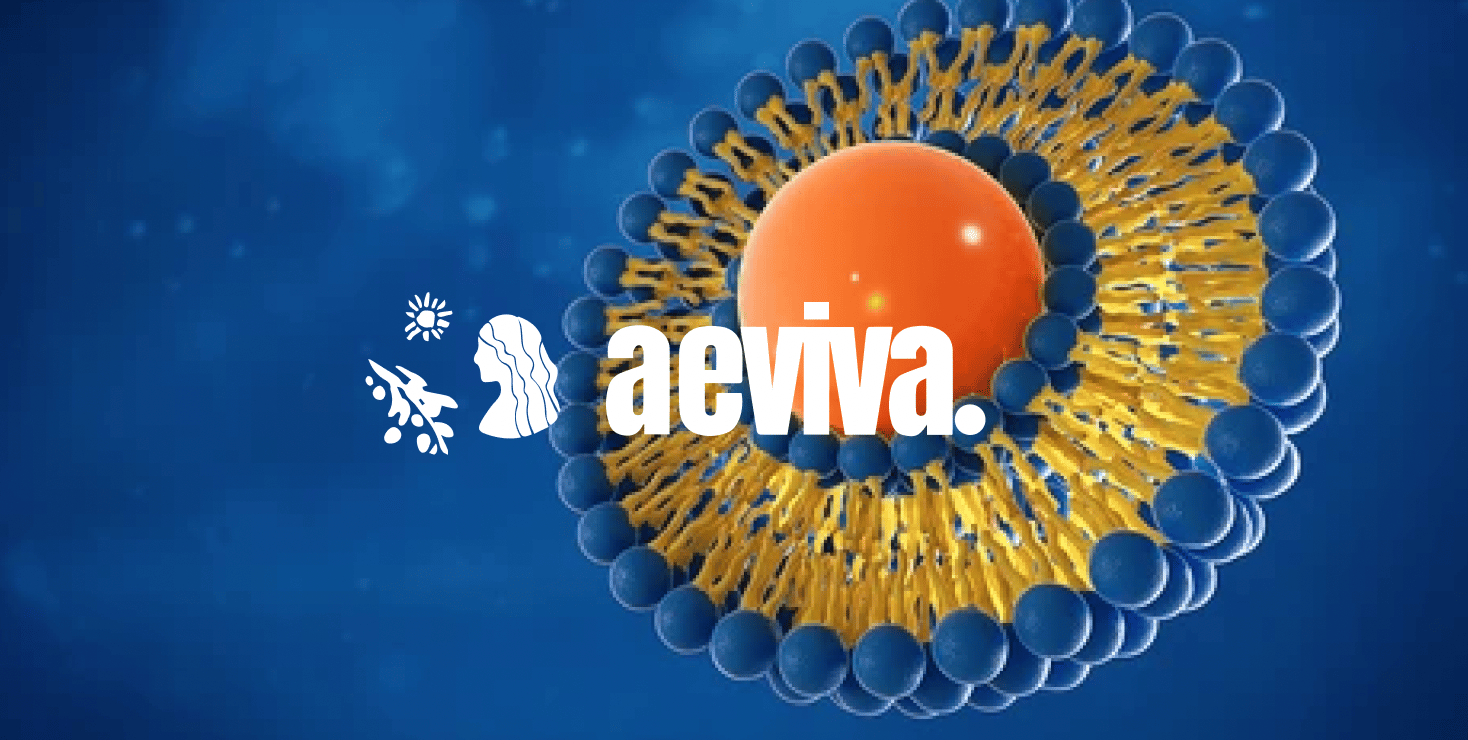
Liposomes are microscopic spherical vesicles (tiny bubbles) made from phospholipids, the same molecules that form cell membranes. Size ranges from 50-200 nanometers (a nanometer is one-billionth of a meter, invisible to the naked eye).
The structure is a phospholipid bilayer (double layer of fat molecules) forming a hollow sphere. The outer surface and inner surface are water-loving (hydrophilic), while the middle layer is fat-loving (hydrophobic). This creates a bubble with a water-filled interior where water-soluble nutrients (like vitamin C) can be trapped, surrounded by a protective fat membrane.

How they're made:
Phospholipids (usually extracted from sunflower lecithin or soy lecithin) are mixed with water and the nutrient to be encapsulated. Through processes like sonication (using sound waves), high-pressure homogenization, or specialized mixing, the phospholipids spontaneously form spherical vesicles trapping the nutrient inside.
Quality varies enormously between manufacturers. Proper liposomes require specific phospholipid ratios, correct particle sizes (too large won't absorb, too small are unstable), and high encapsulation efficiency (percentage of nutrient actually inside liposomes vs free-floating).
How they protect nutrients:
Stomach acid protection: Regular vitamin C (ascorbic acid) is partially destroyed by stomach acid. Liposomes protect the vitamin inside their phospholipid membrane, preventing acid degradation. The fat membrane is resistant to acid, acting like a microscopic armor.
Enzyme protection: Digestive enzymes in the stomach and small intestine break down many nutrients. Liposomes shield contents from enzyme contact.
Sustained release: Liposomes release their contents gradually as they're absorbed, preventing the rapid spike-and-crash of regular vitamins where excess is immediately excreted in urine.
💡 Critical Context: The human body already uses this delivery system naturally. Fat-soluble vitamins (A, D, E, K) are transported in chylomicrons, which are essentially natural liposomes your body makes to carry fats from intestines to bloodstream. Liposomal supplements attempt to mimic this proven biological transport mechanism.
2. The Absorption Problem: Why Most Oral Vitamins Have Terrible Bioavailability 💊❌
Bioavailability means the percentage of an ingested nutrient that reaches your bloodstream in active form.
Why regular oral vitamins have poor bioavailability:
Vitamin C example (the most studied):
When you take 200mg vitamin C orally, absorption is about 70-90% (decent). But at 500mg, absorption drops to 50%. At 1000mg, only 20-30% is absorbed. This happens because vitamin C uses saturable transporters (limited number of carrier proteins) in your intestinal wall. Once transporters are saturated, excess vitamin C can't be absorbed and is excreted.
Intravenous (IV) vitamin C bypasses this problem, achieving 100% bioavailability. This is why high-dose vitamin C therapy for cancer or infections uses IV delivery, but IV treatments cost hundreds of dollars and require medical supervision.
Other problem nutrients:
Curcumin (from turmeric): Less than 1% bioavailability. It's poorly soluble in water and intestinal fluids, and rapidly metabolized by the liver. This is why eating turmeric in food does almost nothing unless combined with black pepper (piperine blocks metabolism) or fats.
Glutathione: An antioxidant and detoxification molecule. Oral glutathione is almost completely broken down by digestive enzymes into amino acids before absorption. Taking glutathione pills is like taking expensive amino acid pills, the intact molecule never reaches your bloodstream.
Resveratrol (from grapes): Absorbed but rapidly metabolized by the liver, with less than 1% reaching systemic circulation in active form.
CoQ10: Fat-soluble but large molecule size and poor dissolution cause 5-10% absorption from standard capsules.
The first-pass metabolism problem:
Anything absorbed through your intestines goes directly to your liver through the portal vein before reaching the rest of your body. The liver metabolizes and breaks down many nutrients, reducing what reaches systemic circulation. Liposomal delivery potentially bypasses some first-pass metabolism by absorbing through lymphatic system instead of portal circulation.

3. How Liposomal Encapsulation Bypasses Digestion and Increases Absorption 🎯📈
Mechanism 1: Direct membrane fusion
Because liposomes are structurally identical to cell membranes (both are phospholipid bilayers), they can theoretically fuse directly with intestinal cell membranes. The liposome membrane merges with the cell membrane, dumping its contents directly inside the cell, bypassing normal transport mechanisms.
This is similar to how viruses enter cells (though viruses use specific receptor binding, liposomes rely on passive fusion).
Mechanism 2: Endocytosis
Intestinal cells can engulf entire liposomes through endocytosis (cell "swallows" the liposome whole). The liposome is pulled inside the cell within a vesicle, then releases its contents inside the cell.
This bypasses saturable transporters completely since the nutrient never needs to bind to a transport protein.
Mechanism 3: Lymphatic absorption
Some liposomes are absorbed through the intestinal lymphatic system (lacteals) rather than directly into blood capillaries. Lymphatic absorption bypasses the liver initially, avoiding first-pass metabolism. The nutrient enters systemic circulation before the liver can metabolize it.
Mechanism 4: Protection until absorption site
Even if liposomes don't fuse with cells, simply protecting nutrients from degradation until they reach optimal absorption sites in the small intestine improves bioavailability.
The reality check:
These mechanisms work in laboratory settings and animal studies. The question is whether commercial liposomal supplements contain high-quality, properly formed liposomes that survive manufacturing, storage, and the digestive tract.
Many products labeled "liposomal" contain poorly formed liposomes, nanoemulsions (not true liposomes), or free nutrients mixed with phospholipids without proper encapsulation. Without third-party testing, consumers can't verify what they're actually getting.
4. The Evidence: Studies Showing Liposomal vs Regular Vitamin Absorption 📊🔬

Vitamin C (most studied nutrient):
Multiple studies comparing liposomal vitamin C to standard ascorbic acid show 1.5-2x higher plasma levels with liposomal delivery.
One study gave participants 4 grams vitamin C in either standard or liposomal form. Liposomal vitamin C produced 1.7x higher blood levels and maintained elevated levels for 24 hours vs 4-6 hours with standard vitamin C.
Another study showed liposomal vitamin C avoided the plateau effect. Standard vitamin C plateaus at 200-250 micromolar blood concentration regardless of dose. Liposomal vitamin C exceeded this, reaching 400+ micromolar, closer to IV vitamin C levels.
However, the improvement is not 10x or 90% absorption as some marketing claims suggest. It's real but modest: 30-70% better absorption depending on dose and individual.
Glutathione:
Oral glutathione is notoriously poorly absorbed (broken down into amino acids). Liposomal glutathione shows significantly better absorption in studies, with measurable increases in blood glutathione levels, while standard oral glutathione shows minimal effect.
One study found liposomal glutathione increased blood levels comparably to IV glutathione (though IV was still slightly better).
Curcumin:
Standard curcumin has terrible bioavailability (<1%). Liposomal curcumin shows 10-40x higher absorption in studies compared to standard curcumin powder.
However, other bioavailability enhancement methods also work: curcumin with piperine (black pepper extract), curcumin with fats, and curcumin nanoparticles all show similar improvements.
CoQ10:
Some studies show 2-3x better absorption with liposomal CoQ10 vs standard powder. However, taking regular CoQ10 with a fatty meal achieves similar absorption improvements at lower cost.
The limitations of current evidence:
Most studies are small (20-50 participants), many are funded by supplement companies, and direct head-to-head comparisons using standardized methods are limited. The evidence supports that properly manufactured liposomal supplements improve absorption, but the magnitude varies and is often exaggerated in marketing.
💡 Pro Tip: Studies comparing liposomal to standard forms typically use equal doses. But you can often achieve similar blood levels by simply taking 2-3x more of the standard (cheaper) vitamin. Whether paying 5-10x more for liposomal is worth avoiding taking extra pills depends on your priorities and budget.
5. Which Vitamins Benefit Most from Liposomal Delivery (And Which Don't) ✅❌
Nutrients that benefit significantly:
Vitamin C: Moderate but real improvement (1.5-2x absorption), avoiding saturation limits. Worth considering for high-dose therapeutic use (immune support during illness, post-surgery recovery) but debatable for daily wellness.
Glutathione: Dramatic improvement since oral glutathione is normally destroyed. Liposomal is the only effective oral form.
Curcumin: Major improvement from abysmal baseline bioavailability. Alternative: curcumin with piperine costs less and works similarly.
Resveratrol: Better absorption avoiding first-pass metabolism.
CoQ10: Modest improvement, though taking with fats works similarly.
B-vitamins (especially B12): Some evidence for better absorption, but most people absorb B-vitamins adequately from standard supplements unless they have specific absorption issues.
Nutrients where liposomal offers minimal benefit:
Fat-soluble vitamins (A, D, E, K): These already absorb well when taken with dietary fats. Liposomal versions are unnecessary, expensive, and offer no significant advantage. Just take regular fat-soluble vitamins with a meal containing fat.
Minerals (magnesium, zinc, iron): Liposomal encapsulation doesn't significantly improve mineral absorption. Different mineral forms (citrate, glycinate, etc.) matter more than delivery system.
Amino acids and protein: Already absorb well from standard oral forms.
Omega-3 fatty acids: Fat-soluble, absorb fine from standard fish oil or algae oil.
💡 Critical Context: For most people taking standard multivitamin doses for general wellness, liposomal delivery offers minimal practical benefit over regular supplements taken with food. The advantage appears mainly for therapeutic high-dose use of specific nutrients (vitamin C, glutathione) where maximizing absorption matters.
Voice AI: Get the Proof. Avoid the Hype.
Deepgram interviewed 400 senior leaders on voice AI adoption: 97% already use it, 84% will increase budgets, yet only 21% are very satisfied with legacy agents. See where enterprises deploy human-like voice AI agents - customer service, task automation, order capture. Benchmark your roadmap against $100M peers for 2026 priorities.
Takeaways
Liposomal delivery wraps nutrients in microscopic phospholipid vesicles (50-200 nanometers) structurally identical to cell membranes, protecting contents from stomach acid and digestive enzymes while enabling absorption through direct membrane fusion or endocytosis, bypassing saturable transport mechanisms that limit standard vitamin absorption.
Studies show liposomal vitamin C produces 1.5-2x higher blood levels vs standard vitamin C, liposomal glutathione significantly increases blood glutathione while oral glutathione is destroyed, and liposomal curcumin shows 10-40x better absorption, though improvements vary by nutrient and many marketing claims of 90%+ absorption exceed scientific evidence which shows modest but real benefits.
Liposomal delivery costs 5-10x more than standard supplements, justified for therapeutic applications (high-dose vitamin C, glutathione supplementation) or nutrients with terrible baseline absorption (curcumin), but offers minimal practical benefit over standard vitamins taken with food for general wellness, and fat-soluble vitamins (A, D, E, K) don't benefit from liposomal delivery since they already absorb well with dietary fats.
Feedback & Sponsorship
What'd you think of this week's newsletter? Hit reply to let us know. Did we crush it? Blow your mind? We read every response.
Want your brand in front of hundreds of thousands of readers? Contact us for sponsorship opportunities [email protected]
Want more where that came from? Head to our website
Master ChatGPT for Work Success

ChatGPT is revolutionizing how we work, but most people barely scratch the surface. Subscribe to Mindstream for free and unlock 5 essential resources including templates, workflows, and expert strategies for 2025. Whether you're writing emails, analyzing data, or streamlining tasks, this bundle shows you exactly how to save hours every week.
Reply