- Aeviva
- Posts
- The Painkiller Guide: What Works, What's Safe, and What Can Kill You
The Painkiller Guide: What Works, What's Safe, and What Can Kill You
From basic headache relief to prescription opioids - doses, side effects, and who should never take them

In partnership with

Estimated Read Time: 6 minutes
Paracetamol (Tylenol) seems harmless, but taking just 2-3 times the recommended dose can cause fatal liver failure.
Ibuprofen (Advil) works great for headaches but can trigger stomach bleeding if you take it daily.
And codeine, sold over-the-counter in many countries, is actually a weak opioid that can cause addiction.
Today's Issue
Main Topic: Breaking down the most common painkillers - how they work, safe doses, and dangerous doses
Subtitles:
Paracetamol: the safest option that becomes deadly in overdose
NSAIDs: ibuprofen, naproxen, aspirin, and diclofenac explained
Who should never take each painkiller (and why)
Dangerous painkillers: codeine and tramadol (weak opioids you can buy)
Choosing the right painkiller for headaches, fever, inflammation, and pain
Abstract: Common over-the-counter painkillers include paracetamol (acetaminophen, 500-1000mg every 4-6 hours, max 4000mg daily) working as analgesic and antipyretic through central nervous system mechanisms with minimal anti-inflammatory effects, and NSAIDs including ibuprofen (200-400mg every 4-6 hours, max 1200mg OTC), naproxen (220-550mg every 8-12 hours), aspirin (300-900mg every 4-6 hours), and diclofenac (50mg every 8 hours) working as analgesics, antipyretics, and anti-inflammatories by reducing prostaglandin production causing pain and inflammation. Paracetamol overdose above 7500mg causes potentially fatal liver failure, while NSAIDs cause stomach ulcers, bleeding, kidney damage, and cardiovascular risks with chronic use or high doses. Contraindications include paracetamol in severe liver disease, NSAIDs in stomach ulcers, kidney disease, pregnancy third trimester, aspirin in children under 16 (Reye's syndrome risk), and all NSAIDs requiring caution in elderly and cardiovascular disease patients. Prescription-strength painkillers codeine (30-60mg every 4-6 hours, max 240mg daily) and tramadol (50-100mg every 4-6 hours, max 400mg daily) are weak opioids causing constipation, drowsiness, respiratory depression, and addiction risk requiring careful monitoring and contraindicated in children, pregnancy, breastfeeding, and respiratory disease.
Painkillers are among the most commonly used medications worldwide, with billions of doses taken daily for everything from headaches to fever to muscle pain.
Yet most people don't understand how these drugs actually work, what doses are safe versus dangerous, or which painkiller is appropriate for which type of pain.
The confusion is understandable because there are multiple classes with different mechanisms, different safety profiles, and different uses. P
aracetamol (acetaminophen, known as Tylenol, Panadol, or Efferalgan globally) works primarily in the brain to reduce pain and fever but has minimal anti-inflammatory effects, making it excellent for headaches and fever but less effective for inflammatory conditions like arthritis.
The NSAID class (non-steroidal anti-inflammatory drugs) including ibuprofen (Advil, Nurofen, Brufen), naproxen (Aleve, Naprosyn), aspirin (Bayer, Aspro), and diclofenac (Voltaren, Voltarol) work by blocking prostaglandin production throughout the body, providing pain relief plus anti-inflammatory effects but causing stomach, kidney, and cardiovascular side effects.
Then there are prescription-strength opioid painkillers like codeine (often combined in products like Tylenol 3, Panadeine, Solpadeine) and tramadol (Ultram, Tramal, Contramal) that work on opioid receptors in the brain, providing stronger pain relief but carrying addiction risk and serious side effects.
Understanding which painkiller to use for which situation, what doses are safe, when overdose becomes dangerous, and who should avoid specific medications can prevent both undertreated pain and serious medication-related complications.

Don't wait until New Years to take control of your health.

Every year it’s the same - November comes, the days get dark and cold, you start skipping your morning workout, and you start to lose control of your health habits.
It’s easy to think “I’ll worry about getting back on track next year” - but there’s no reason you can’t get a head start now.
You just need a daily health habit that’s ACTUALLY easy to stick with.
That’s where AG1 comes in. With just one quick scoop every morning, you’ll get over 75 ingredients that help support your immune health, gut health, energy, and close nutrient gaps in your diet.
Right now is the best time to get started - with every new subscription, they are giving away $126 in free gifts for the holidays.
Give AG1 a try today and take back control of your health this holiday season.
1. Paracetamol (Acetaminophen): The Safest Option That Becomes Deadly in Overdose 💊🔥
What it is: Paracetamol (Tylenol, Panadol, Efferalgan, Calpol) is the most widely used painkiller globally, available over-the-counter in virtually every country.
How it works: Paracetamol provides analgesia (pain relief) and antipyretic effects (fever reduction) by working in the brain and spinal cord to reduce pain signals and reset the body's temperature control. It has minimal anti-inflammatory effects, meaning it doesn't reduce swelling or inflammation like ibuprofen does.
Standard dose: 500-1000mg every 4-6 hours. Maximum daily dose: 4000mg (4 grams) in 24 hours for adults.
What it treats: Headaches, fever (flu, colds), minor aches and pains, toothaches, menstrual cramps. First choice for fever and pain during pregnancy and for children (appropriate dose by weight).
Toxic dose: Anything above 7500mg in 24 hours risks serious liver damage. Taking 10,000-15,000mg (10-15 grams) can cause fatal liver failure. The danger is that paracetamol overdose shows no symptoms for 24-48 hours, then sudden liver failure occurs. By the time you feel sick, the damage is done.
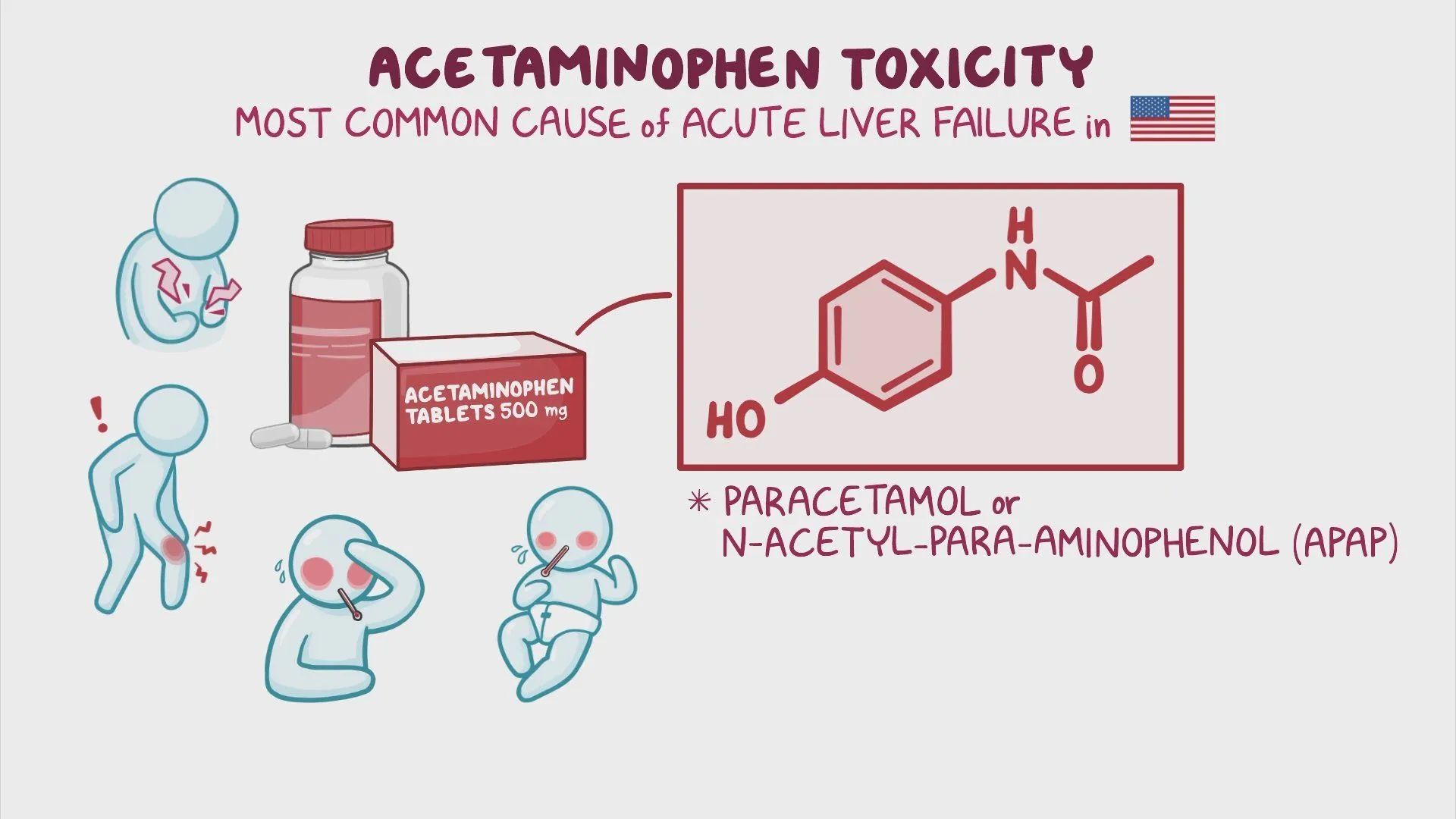
Side effects at normal doses: Minimal. Rarely, mild nausea or rash.
Who should NOT take it:
People with severe liver disease (cirrhosis, hepatitis)
Chronic heavy alcohol users (alcohol + paracetamol dramatically increases liver toxicity risk)
Anyone who has taken more than 4000mg in previous 24 hours
💡 Critical Warning: Many cold and flu medications contain paracetamol (Tylenol Cold, DayQuil, Theraflu). People accidentally overdose by taking paracetamol pills PLUS cold medicine, not realizing they're doubling up. Always check ingredient labels.
2. NSAIDs: Ibuprofen, Naproxen, Aspirin, and Diclofenac Explained 💊⚠️
What they are: NSAIDs (non-steroidal anti-inflammatory drugs) provide pain relief, reduce inflammation, and lower fever by blocking prostaglandins (chemicals that cause pain, inflammation, and fever throughout the body).
Ibuprofen (Advil, Nurofen, Brufen, Motrin):
Standard dose: 200-400mg every 4-6 hours. Maximum OTC dose: 1200mg daily (prescription can go to 2400mg under doctor supervision).
What it treats: Headaches, dental pain, menstrual cramps, muscle aches, arthritis pain, fever, inflammation from injuries.
Toxic dose: Single doses above 3200mg can cause toxicity. Chronic high-dose use (2400mg+ daily for weeks) increases ulcer, kidney, and heart attack risk.
Naproxen (Aleve, Naprosyn, Anaprox):
Standard dose: 220mg (OTC strength) every 8-12 hours, or 500-550mg (prescription strength) every 12 hours. Maximum: 660mg OTC daily, 1500mg prescription daily.
What it treats: Same as ibuprofen but lasts longer (12 hours vs 4-6 hours), making it better for chronic pain like arthritis.
Aspirin (Bayer, Aspro, Disprin):
Standard dose for pain: 300-900mg every 4-6 hours. Maximum: 4000mg daily.
Special use: Low-dose aspirin (75-100mg daily) prevents heart attacks and strokes by preventing blood clots.
What it treats: Headaches, fever, minor pain. Rarely used for pain anymore (ibuprofen is safer), but widely used for cardiovascular protection.
Diclofenac (Voltaren, Voltarol, Cataflam):
Standard dose: 50mg every 8 hours or 75mg every 12 hours. Maximum: 150mg daily. Usually prescription-only.
What it treats: Moderate to severe pain, arthritis, post-surgical pain. One of the strongest NSAIDs.
NSAID side effects (all of them):
Stomach problems: Ulcers, bleeding, stomach pain. Risk increases with daily use, high doses, age over 60, and combining with alcohol. Taking with food reduces but doesn't eliminate risk.

Kidney damage: Chronic NSAID use can cause kidney failure, especially in elderly, dehydrated patients, or those with existing kidney disease.
Cardiovascular risks: Long-term high-dose NSAID use increases heart attack and stroke risk by 20-50%, particularly with diclofenac and high-dose ibuprofen.
Increased bleeding: All NSAIDs reduce blood clotting, increasing bleeding risk during surgery or injuries.
Who should NOT take NSAIDs:
People with active stomach ulcers or history of ulcer bleeding
Severe kidney disease
Heart failure or recent heart attack
Pregnancy (especially third trimester - can cause problems with baby's heart and kidneys)
Children under 16 taking aspirin (risk of Reye's syndrome, a rare but fatal condition)
People on blood thinners (warfarin, aspirin) without doctor approval
Elderly (increased ulcer and kidney risk)
💡 Pro Tip: If you need NSAIDs daily for chronic pain, doctors often prescribe a proton pump inhibitor (omeprazole, pantoprazole) to protect your stomach from ulcers.
3. Dangerous Painkillers: Codeine and Tramadol (Weak Opioids You Can Buy) 💊⚠️🔴
These are prescription medications in most countries but available over-the-counter in some (codeine is OTC in UK, Australia, Canada in low-dose combination products). They're weak opioids, meaning they work on the same brain receptors as morphine and heroin but with less intensity.
Codeine (Tylenol 3, Panadeine, Solpadeine, Co-codamol):

“Lean” = cough syrup
How it works: Codeine converts to morphine in the liver (about 10% converts), providing moderate pain relief by activating opioid receptors in the brain and spinal cord.
Standard dose: 30-60mg every 4-6 hours. Maximum: 240mg daily.
What it treats: Moderate pain not controlled by paracetamol or ibuprofen alone (dental pain, injury pain, post-surgical pain). Also used as cough suppressant.
Side effects:
Constipation (affects nearly everyone)
Drowsiness, dizziness
Nausea and vomiting
Respiratory depression (slowed breathing) at high doses
Addiction and dependence with prolonged use
Toxic dose: Above 360mg risks severe respiratory depression. Combining with alcohol, benzodiazepines, or other sedatives dramatically increases overdose risk.
Who should NEVER take codeine:
Children under 12 (risk of fatal respiratory depression)
Adolescents 12-18 after tonsillectomy (same risk)
Breastfeeding women (codeine passes to baby, causing respiratory depression)
People with respiratory disease (asthma, COPD)
"Ultra-rapid metabolizers" (genetic variation causing too much morphine production, leading to overdose even at normal doses - affects 1-7% of population depending on ethnicity)
Tramadol (Ultram, Tramal, Contramal, Tramacet):
How it works: Weak opioid receptor activation plus increases serotonin and norepinephrine (brain chemicals), providing moderate pain relief through dual mechanisms.
Standard dose: 50-100mg every 4-6 hours. Maximum: 400mg daily.
What it treats: Moderate pain, often used when NSAIDs are contraindicated or ineffective.
Side effects:
Similar to codeine: constipation, drowsiness, nausea
Seizure risk: Tramadol lowers seizure threshold, particularly at doses above 400mg or when combined with antidepressants
Serotonin syndrome risk: Combining with antidepressants (SSRIs, SNRIs) can cause dangerous serotonin syndrome (confusion, rapid heart rate, high fever, seizures)
Addiction and dependence (less than strong opioids but still significant)
Who should NEVER take tramadol:
Children under 12
Adolescents 12-18 after tonsillectomy
Pregnancy and breastfeeding
People with seizure disorders or history of seizures
People on antidepressants (without doctor supervision)
Severe respiratory disease
💡 Critical Context: Codeine and tramadol are marketed as "safe" because they're weaker than morphine, but they're still opioids with addiction potential. Many countries are restricting access after realizing over-the-counter availability led to widespread misuse, dependence, and deaths from combining with other sedatives.

4. Choosing the Right Painkiller: What to Use When 🤔💊
Condition | First Choice | Second Choice | Notes |
|---|---|---|---|
Headache (tension, mild) | Paracetamol 500-1000mg | Ibuprofen 400mg | Both work equally well |
Headache (migraine) | Ibuprofen 400-600mg | Naproxen 500mg | NSAIDs more effective than paracetamol for migraines |
Fever (flu, cold) | Paracetamol 500-1000mg | Ibuprofen 400mg | Paracetamol preferred in children |
Sore throat | Ibuprofen 400mg | Paracetamol 500-1000mg | Ibuprofen reduces throat inflammation |
Menstrual cramps | Ibuprofen 400mg every 6 hours | Naproxen 500mg every 12 hours | NSAIDs reduce prostaglandins causing cramps |
Muscle pain/strain | Ibuprofen 400mg | Naproxen 500mg | NSAIDs reduce inflammation from injury |
Arthritis pain | Naproxen 500mg twice daily | Ibuprofen 400-600mg 3x daily | Longer-acting naproxen better for chronic pain |
Dental pain (mild) | Ibuprofen 400mg | Paracetamol 1000mg | Ibuprofen reduces gum inflammation |
Dental pain (severe) | Ibuprofen 400mg + Paracetamol 1000mg together | Codeine 30-60mg if still inadequate | Combining ibuprofen + paracetamol is safe and more effective than either alone |
Back pain (acute) | Ibuprofen 400-600mg | Naproxen 500mg | NSAIDs for inflammation, avoid bed rest (movement helps) |
Post-surgical pain (minor surgery) | Paracetamol 1000mg + Ibuprofen 400mg | Codeine 30mg if inadequate | Combination often avoids need for stronger opioids |
Safe medication combinations:
Paracetamol + Ibuprofen: Completely safe to take together. They work through different mechanisms, so combining provides better pain relief than either alone without increasing side effects.
Paracetamol + Codeine: Many products combine these (Tylenol 3, Panadeine Forte). Safe when not exceeding paracetamol limits.
Dangerous combinations to AVOID:
Multiple NSAIDs together (ibuprofen + naproxen, ibuprofen + aspirin) - dramatically increases ulcer, bleeding, and kidney damage risk
Codeine or tramadol + alcohol or benzodiazepines - respiratory depression, overdose risk
Tramadol + antidepressants - seizure risk, serotonin syndrome
💡 Pro Tip: For chronic pain requiring daily painkillers, rotate between paracetamol and NSAIDs rather than taking NSAIDs daily. Example: paracetamol in morning, ibuprofen in afternoon. This reduces NSAID side effect risk while maintaining pain control.
The daily health habit you’ll actually stick with…

This time of year, it’s SO hard to stay healthy.
That’s why you need a daily habit that’s easy.
Meet AG1: With just one quick scoop, you’ll support your immune health, gut health, energy, and fill nutrient gaps.
Give AG1 a try today to unlock their best offer ever.
Takeaways
Paracetamol (500-1000mg every 4-6 hours, max 4000mg daily) is the safest painkiller for headaches, fever, and mild pain with minimal side effects, but overdose above 7500mg causes potentially fatal liver failure, and many cold medications contain hidden paracetamol risking accidental overdose when combined.
NSAIDs (ibuprofen 400mg, naproxen 500mg, aspirin 300-900mg) provide pain relief plus anti-inflammatory effects better for muscle pain, arthritis, and menstrual cramps, but cause stomach ulcers, kidney damage, and cardiovascular risks with daily use, and are contraindicated in stomach ulcers, kidney disease, pregnancy third trimester, and children under 16 for aspirin.
Codeine (30-60mg, max 240mg daily) and tramadol (50-100mg, max 400mg daily) are weak opioids for moderate pain providing stronger relief than paracetamol/NSAIDs, but cause constipation, drowsiness, addiction risk, and are contraindicated in children under 12, pregnancy, breastfeeding, and respiratory disease, with tramadol additionally causing seizure risk above 400mg or when combined with antidepressants.
Feedback & Sponsorship
What'd you think of this week's newsletter? Hit reply to let us know. Did we crush it? Blow your mind? We read every response.
Want your brand in front of hundreds of thousands of readers? Contact us for sponsorship opportunities [email protected]
Want more where that came from? Head to our website

Reply