- Aeviva
- Posts
- Nicotine Pouches: The "Safer" Alternative That's Hooking a New Generation
Nicotine Pouches: The "Safer" Alternative That's Hooking a New Generation
No tobacco, no smoke, but 6mg of pure nicotine straight to your bloodstream in 30 seconds

In partnership with

Estimated Read Time: 6 minutes
Nicotine pouches like Zyn, On!, and Velo contain no tobacco and produce no smoke.
They're marketed as a harm reduction tool for smokers, but 40% of users have never smoked.
Each pouch delivers as much nicotine as a cigarette, and teens are using 10-20 pouches daily.
Today's Issue
Main Topic: What nicotine pouches are, how they work, and whether they're actually safer
Subtitles:
What's in a nicotine pouch and how it delivers nicotine without tobacco
How nicotine pouches compare to cigarettes, vaping, and traditional smokeless tobacco
The health effects: what we know and what we don't (because they're too new)
Why teens and non-smokers are using them and the addiction concern
Regulation, marketing, and the public health debate
Abstract: Nicotine pouches are tobacco-free oral products containing synthetic or tobacco-derived nicotine (3-6mg per pouch), plant fibers, flavorings, and pH adjusters that deliver nicotine through oral mucosa absorption without combustion, smoke, or tobacco leaf. Marketed brands like Zyn, On!, and Velo have exploded in popularity with 350+ million pouches sold monthly in the US as of 2024, positioned as harm reduction for smokers but with 40% of users reporting no prior tobacco use. While pouches eliminate combustion-related harms (tar, carbon monoxide, carcinogens from burning tobacco), they deliver highly addictive nicotine causing cardiovascular effects (increased heart rate, blood pressure), potential oral health issues (gum recession, lesions), and unknown long-term risks due to limited research on synthetic nicotine and novel ingredients. Teen use has increased dramatically with flavors like mint, citrus, and coffee attracting young users, raising concerns about nicotine addiction in a generation that largely avoided cigarettes. This newsletter examines ingredients and mechanisms, comparative harm versus cigarettes and vaping, known health effects, addiction potential, regulatory gaps allowing unrestricted sales and marketing, and the public health tension between adult harm reduction and youth initiation.
Nicotine pouches represent the latest evolution in nicotine delivery, removing tobacco entirely while delivering pure nicotine in a discrete, spit-free pouch you place between your gum and lip. Unlike traditional chewing tobacco or snus (Scandinavian tobacco pouches), modern nicotine pouches contain zero tobacco leaf, using either tobacco-derived nicotine extracted and purified or fully synthetic nicotine manufactured in labs. This distinction matters legally because many tobacco regulations don't cover tobacco-free products, creating a regulatory gap that's allowed explosive growth. Sales have increased 500% from 2019 to 2024, with Zyn dominating the market (70% market share).
The public health debate is fierce. Proponents argue pouches offer genuine harm reduction for smokers, eliminating 95%+ of smoking-related health risks by removing combustion while satisfying nicotine addiction. Critics point to flavors, social media marketing, and celebrity endorsements (Tucker Carlson's infamous "Zyn famine" podcast moment) attracting teens and non-smokers who would never have used tobacco, creating a new generation of nicotine addicts. Understanding what's actually in these pouches, how nicotine absorption works through oral tissue, what health effects are known versus unknown, and who's using them reveals whether nicotine pouches are a public health victory reducing smoking deaths or a public health disaster creating millions of new nicotine addicts.

The daily health habit you’ll actually stick with…

This time of year, it’s SO hard to stay healthy.
That’s why you need a daily habit that’s easy.
Meet AG1: With just one quick scoop, you’ll support your immune health, gut health, energy, and fill nutrient gaps.
Give AG1 a try today to unlock their best offer ever.
1. What's in a Nicotine Pouch and How It Delivers Nicotine Without Tobacco 📦⚡

Nicotine
Nicotine pouches are small white pouches (similar size to a small tea bag) containing nicotine, plant fibers, flavorings, and other ingredients. You place them between your upper lip and gum where nicotine absorbs directly into your bloodstream through the oral tissue.
What's inside:
Nicotine (3-6mg per pouch): Either extracted from tobacco plants then purified, or fully synthetic nicotine made in labs. Strength varies: "regular" pouches contain 3-4mg (similar to a cigarette), "strong" pouches 6-8mg (similar to 1.5-2 cigarettes), and "extra strong" pouches up to 30mg.
Plant-based fillers: Usually cellulose fibers from pine or eucalyptus creating the pouch structure and bulk. These are inert, providing texture but no active effects.
pH adjusters (alkaline salts): Sodium carbonate, sodium bicarbonate, or potassium carbonate raise pH to 8-9 (alkaline).
Flavorings: Mint, wintergreen, citrus, coffee, cinnamon, berry. Flavors mask nicotine's harsh taste and make pouches more appealing, particularly to new users and youth.
Sweeteners: Xylitol, sucralose, or other artificial sweeteners improve taste.
Stabilizers and humectants: Ingredients keeping pouches moist and nicotine stable during storage.

How absorption works:
When you place a pouch in your mouth, saliva moistens it, dissolving nicotine and other ingredients. The alkaline pH converts nicotine to free base form, allowing it to pass directly through the oral mucosa (the thin tissue lining your mouth and gums) into capillaries (tiny blood vessels). From there, nicotine enters your bloodstream, reaching your brain within 30 seconds to 2 minutes.
Peak nicotine levels occur at 30-60 minutes, with effects lasting 1-3 hours depending on pouch strength. Users typically keep pouches in for 20-60 minutes, though some leave them in longer.
💡 Fun Fact: The pH adjustment trick comes from Swedish snus, traditional tobacco pouches used in Scandinavia since the 1800s. Swedish manufacturers discovered that raising pH dramatically increased nicotine absorption, making snus effective without smoking. Modern nicotine pouches borrowed this technology while removing tobacco entirely.
2. How Nicotine Pouches Compare to Cigarettes, Vaping, and Traditional Smokeless Tobacco 🚬💨
Product | Nicotine Delivery | Tobacco? | Combustion/Smoke? | Main Health Risks | Addiction Potential |
|---|---|---|---|---|---|
Cigarettes | 1-2mg absorbed per cigarette (10-12mg in cigarette, 10-20% absorbed) | Yes (burned) | Yes | Lung cancer, COPD, heart disease, stroke (combustion creates 7,000+ chemicals, 70 known carcinogens) | Very high |
Vaping/E-cigs | Variable (3-50mg/mL liquid, absorption depends on device) | No (synthetic nicotine or tobacco-derived) | No (heated vapor, not combustion) | Lung injury (EVALI from vitamin E acetate in THC vapes), unknown long-term effects, cardiovascular risks | High to very high |
Traditional chewing tobacco | 3-4mg per dip | Yes (tobacco leaf) | No | Oral cancer, gum disease, tooth loss, pancreatic cancer (tobacco-specific nitrosamines are carcinogenic) | High |
Snus (Swedish) | 8-12mg per pouch | Yes (pasteurized tobacco) | No | Lower cancer risk than chewing tobacco, cardiovascular effects, oral lesions | High |
Nicotine pouches | 3-11mg per pouch | No (pure nicotine) | No | Cardiovascular effects (increased heart rate/blood pressure), oral health issues (gum recession, irritation), unknown long-term risks | High |
💡 Critical Context: The harm reduction argument only applies to current smokers switching to pouches. For non-smokers, especially teens, starting nicotine pouch use creates nicotine addiction with no health benefit, only risks.
3. The Health Effects: What We Know and What We Don't (Because They're Too New) ⚠️🔬
Known health effects of nicotine pouches:
>Nicotine's effects (same as any nicotine product):
Highly addictive: Nicotine activates dopamine release in the brain's reward system, creating powerful addiction.
Cardiovascular: Nicotine increases heart rate by 10-20 beats per minute and raises blood pressure by 5-10 mmHg. It constricts blood vessels, reducing blood flow. For people with heart disease, this can trigger arrhythmias (irregular heartbeat), angina (chest pain), or heart attacks.
Metabolic effects: Nicotine slightly increases metabolism and suppresses appetite (why smokers often gain weight when quitting). It also increases insulin resistance, potentially contributing to type 2 diabetes risk.
>Pouch-specific oral health effects:
Gum recession: Placing pouches in the same spot repeatedly can cause gums to recede (pull back from teeth), exposing tooth roots. Studies on snus users show 30-50% higher rates of gum recession at pouch placement sites.

Oral lesions: Some users develop white patches, ulcers, or irritated tissue where pouches sit. Most lesions are benign and reversible when pouch use stops, but long-term effects are unknown.
Tooth damage: The constant pressure and chemicals can contribute to enamel erosion and tooth sensitivity.
💡 Pro Tip: If you're a smoker considering switching to pouches for harm reduction, the known risks are dramatically lower than continuing to smoke. If you're a non-smoker, especially a teen, starting pouch use means accepting unknown long-term risks for zero health benefit beyond satisfying nicotine addiction you're creating.
4. Why Teens and Non-Smokers Are Using Them and the Addiction Concern 👦🎯
The explosive growth in non-smoker use:
Surveys show 40% of nicotine pouch users have never smoked cigarettes. Among users aged 18-24, over 50% report no prior tobacco use. This represents a fundamental shift - previous smokeless tobacco products (chewing tobacco, snus) were almost exclusively used by current or former smokers. Nicotine pouches are attracting a new population.
Why teens and young adults are using pouches:
Discrete use: No smoke, no vapor cloud, no need to spit. Pouches can be used in class, at work, on planes, in bathrooms without detection. Teachers and parents often don't recognize pouch use is happening.
Social media marketing: TikTok and Instagram feature influencers showing "Zyn hauls," pouch reviews, and lifestyle content. Search "Zyn" on TikTok and you'll find millions of views of young people using pouches.
Perceived safety: "It's not tobacco, it's safer than vaping" messaging attracts health-conscious young people who would never smoke.
Availability: Unlike cigarettes and vapes (which require age verification in most states), pouches are sold with minimal restrictions in many areas.
Gas stations, convenience stores, and online retailers often don't check ID rigorously.
The addiction concern:
Nicotine is one of the most addictive substances known. Brain imaging studies show nicotine causes structural changes in adolescent brains, potentially affecting impulse control, attention, and susceptibility to other addictions.
Teen brains are particularly vulnerable because the prefrontal cortex (controlling decision-making and impulse control) doesn't fully develop until the mid-20s.
Difficulty quitting: Even young users who want to quit report intense cravings, withdrawal, and repeated failed quit attempts.
Nicotine addiction established in adolescence is often lifelong.
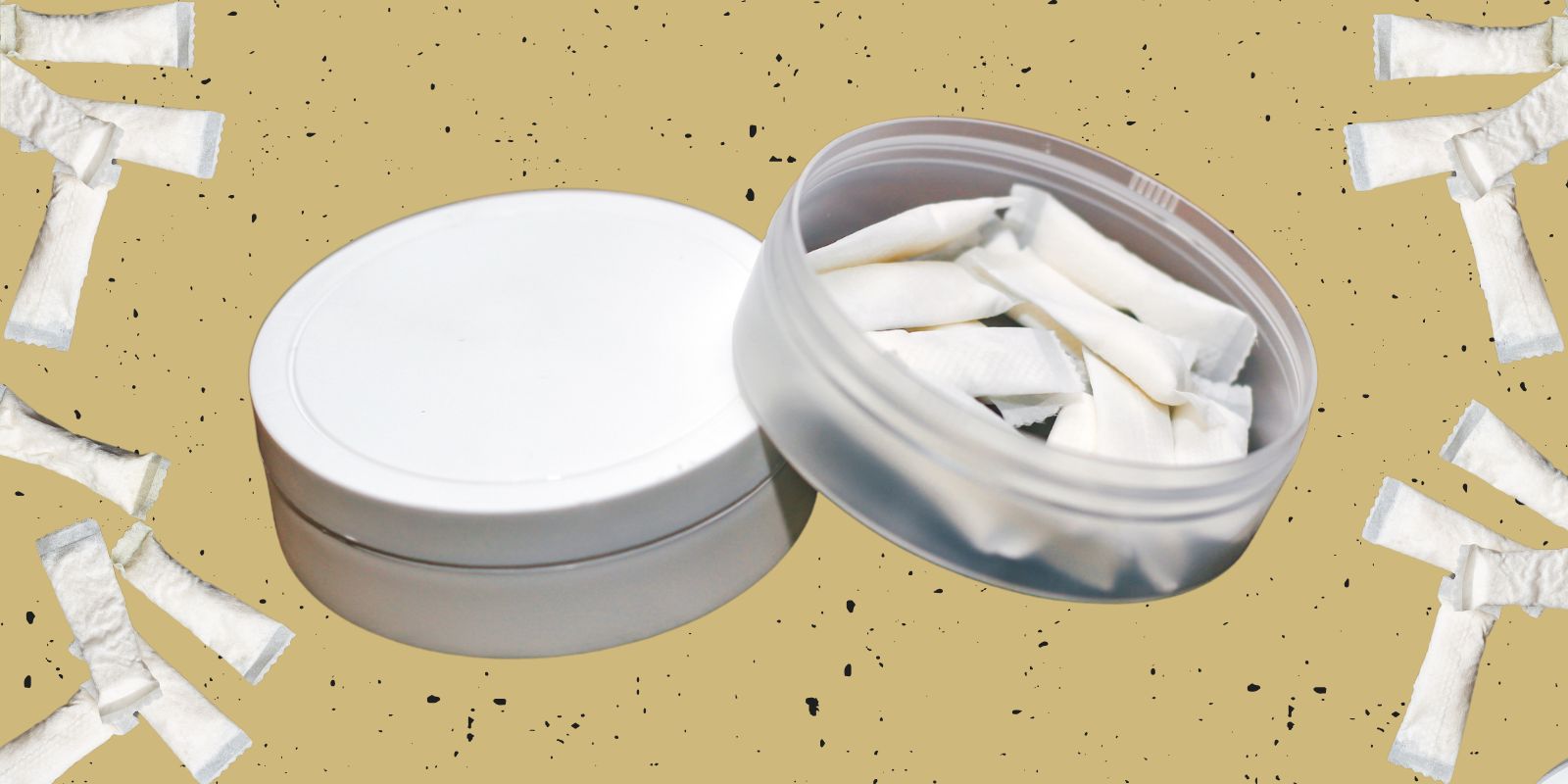
💡 Critical Context: The tobacco industry spent 50 years addicting Americans to cigarettes, killing millions. After decades of declining smoking rates (especially among youth), nicotine pouches risk creating a new generation of nicotine addicts. The question is whether the adult harm reduction benefit (helping smokers quit) outweighs the youth addiction cost.
5. Regulation, Marketing, and the Public Health Debate 📜⚖️
The regulatory gap:
Current regulation (as of 2024): The FDA now regulates all nicotine products regardless of source, but enforcement is limited. Manufacturers must submit applications showing their products are "appropriate for the protection of public health," but many products remain on the market with pending applications (grandfathered in).
What's NOT regulated effectively:
Flavors (unlike cigarettes, which are banned from flavors except menthol)
Marketing restrictions (pouches can be advertised on social media, TV, billboards)
Point-of-sale placement (pouches displayed at checkout next to candy and gum)
Online sales with minimal age verification
Harm reduction advocates argue:
Pouches help smokers quit (480,000 annual US smoking deaths could be prevented if smokers switched)
Nicotine itself causes limited harm compared to combustion
Banning or heavily restricting pouches pushes smokers back to cigarettes
Adults have the right to choose reduced-harm nicotine products
Sweden has the lowest smoking rate in Europe (5%) largely attributed to widespread snus use, and correspondingly low lung cancer rates
Youth prevention advocates argue:
40% of pouch users never smoked, so they're not harm reduction, they're new addictions
Teen brain development is harmed by nicotine exposure
Flavors and marketing clearly target youth (same as vaping industry did)
Creating millions of young nicotine addicts is a public health disaster
The tobacco industry has repeatedly promised "adult-only" products then marketed to teens
Proposed regulations:
Ban all flavors except tobacco (like cigarettes)
Restrict marketing and social media promotion
Plain packaging requirements
Higher taxes (nicotine pouches are taxed far less than cigarettes in most states)
Stricter age verification for online sales
Banning sales in locations near schools
30% off Medik8 Starts NOW

Black Friday is here, but these deals won’t last long! Shop Medik8 and save 30% off your must-have products*
*Terms & Conditions Apply
Takeaways
Nicotine pouches contain 3-11mg of pure nicotine with no tobacco, delivering nicotine through oral tissue absorption in 30-60 seconds, eliminating combustion risks (lung cancer, COPD) that kill 480,000 Americans annually from smoking while creating addiction with unknown long-term health effects.
Forty percent of nicotine pouch users never smoked, with flavors, discrete use, and social media marketing attracting teens and non-smokers, creating a new generation of nicotine addicts showing escalation patterns from 1-2 pouches daily to 10-20 pouches daily within months despite brain development risks.
Regulatory gaps allow unrestricted marketing, flavors, and sales creating youth uptake, while harm reduction advocates point to Sweden's low smoking rates (5%) from snus use, revealing the public health tension between helping adult smokers quit (legitimate benefit) versus creating youth addiction (serious harm) that requires balanced regulation protecting both groups.
Feedback & Sponsorship
What'd you think of this week's newsletter? Hit reply to let us know. Did we crush it? Blow your mind? We read every response.
Want your brand in front of hundreds of thousands of readers? Contact us for sponsorship opportunities [email protected]
Want more where that came from? Head to our website
The AI playbook marketers swear by.

Marketers are mastering AI. You can too.
Subscribe to the Masters in Marketing newsletter for the free AI Trends Playbook and fresh strategies each week.
Reply