- Aeviva
- Posts
- Mouthwash Breakdown: What's Really in That Bottle and How It Protects Your Teeth
Mouthwash Breakdown: What's Really in That Bottle and How It Protects Your Teeth
Beyond fresh breath, the right formula can prevent cavities, fight gum disease, and strengthen enamel
In partnership with

Estimated Read Time: 6 minutes
You swish mouthwash for 30 seconds twice daily, but do you know what it's actually doing?
Some formulas prevent cavities through fluoride remineralization, others fight gum disease, and many just mask odors temporarily.
Understanding the active ingredients and their mechanisms reveals which mouthwash you actually need (if any).
Today's Issue
Main Topic: How mouthwash works to improve oral health and freshen breath
Subtitles:
The active ingredients and what each one does for your mouth
How mouthwash freshens breath and why it works temporarily
Fluoride mouthwash: strengthening enamel and preventing cavities
Fighting gum disease and reducing plaque with antiseptic rinses
When to use mouthwash and how to choose the right type
Abstract: Mouthwash serves multiple oral health functions through specific active ingredients: fluoride (0.05% sodium fluoride) remineralizes enamel and prevents cavities by incorporating into tooth structure, antimicrobial agents (chlorhexidine, cetylpyridinium chloride, essential oils) reduce plaque-causing bacteria and prevent gingivitis, and flavoring agents mask volatile sulfur compounds causing bad breath. Therapeutic mouthwashes with fluoride show measurable cavity reduction (20-30%) when used as adjunct to brushing, while antiseptic rinses reduce plaque by 20-50% and gingivitis symptoms.
Cosmetic mouthwashes primarily freshen breath through flavoring and temporary bacterial reduction lasting 1-3 hours. Proper use involves swishing 20mL for 30-60 seconds, twice daily, without rinsing with water afterward to maximize active ingredient contact time. This newsletter examines ingredient mechanisms, clinical evidence for different mouthwash types, proper usage technique, and guidance on selecting appropriate formulas for specific oral health needs.The human body is remarkably resilient yet fragile in specific ways. We can survive weeks without food by metabolizing our own tissues, but only days without water because cellular processes require constant fluid balance. The "Rule of 3s," 3 minutes without air, 3 days without water, 3 weeks without food, is a useful mnemonic but dangerously oversimplified. Individual variation is enormous based on temperature, humidity, activity level, body composition, health status, and metabolic rate.
Mouthwash is more than just a breath freshener. Depending on the formulation, it can deliver fluoride to strengthen enamel, kill bacteria causing gum disease, reduce plaque formation, and neutralize acids that erode teeth. However, not all mouthwashes are created equal.
Cosmetic mouthwashes only temporarily mask bad breath with flavoring. Therapeutic mouthwashes contain active ingredients with proven dental benefits: fluoride for cavity prevention, antimicrobials for plaque and gingivitis control, and sometimes specialized ingredients for sensitivity or whitening. Understanding what's in your mouthwash, how each ingredient works, and when it provides genuine benefit versus when you're just buying minty water reveals how to use it effectively as part of comprehensive oral care.
Save 30% for Black Friday at Medik8!

Black Friday is here, but these skin care deals won’t last long! Rediscover your skin's youthful glow with Medik8, the British clinical skincare brand, delivering results without compromise. There is no better time to shop Medik8’s best-selling, results driven skincare at 30% off!*
*Terms & Conditions Apply
1. The Active Ingredients and What Each One Does for Your Mouth 🧪🦷
Mouthwash contains a combination of active and inactive ingredients working together for oral health benefits.
Fluoride (Sodium Fluoride, Stannous Fluoride): The most important ingredient for cavity prevention. Fluoride (0.05% sodium fluoride or 0.63% stannous fluoride in over-the-counter rinses) works by remineralizing enamel (repairing early tooth decay by depositing minerals back into weakened enamel). When fluoride is present in saliva, it incorporates into tooth enamel as fluorapatite, which is more resistant to acid dissolution than natural hydroxyapatite.

Clinical studies show fluoride mouthwash reduces cavities by 20-30% when used as an adjunct to fluoride toothpaste. This is particularly beneficial for people at high cavity risk: children, teens, those with dry mouth, or frequent snackers.
Antimicrobial Agents: These kill or inhibit bacteria that cause plaque, gingivitis, and bad breath.
Chlorhexidine (prescription strength, 0.12%): The most effective antimicrobial for controlling plaque and gingivitis. It binds to oral tissues and releases slowly over 8-12 hours, providing sustained bacterial control.
Cetylpyridinium Chloride (CPC) (0.05-0.1%): Common in over-the-counter rinses like Crest Pro-Health. CPC disrupts bacterial cell membranes, reducing plaque-forming bacteria. Studies show 20-35% reduction in plaque and modest gingivitis reduction. Safe for daily long-term use.
Essential Oils (thymol, eucalyptol, menthol, methyl salicylate): Found in Listerine and similar brands. These plant-derived compounds penetrate bacterial biofilm and disrupt cell walls. Clinical evidence shows 20-35% plaque reduction and gingivitis improvement comparable to CPC.
Astringents (Alcohol, Witch Hazel): Alcohol (ethanol 14-27% in traditional formulas) acts as a solvent for other ingredients and provides some antimicrobial effect. It creates the "burn" sensation but also causes mouth dryness. Modern alcohol-free formulas use alternative solvents without the drying effect.
pH Buffers (Sodium Bicarbonate, Phosphates): Neutralize acids in the mouth, protecting enamel from acid erosion after eating or drinking acidic foods. Maintaining neutral pH (around 7) prevents demineralization.
Flavoring and Sweetening Agents (Menthol, Eucalyptol, Xylitol, Sorbitol): Provide the fresh taste and mask bad breath. Xylitol has the added benefit of reducing cavity-causing bacteria, as these bacteria cannot metabolize xylitol, disrupting their growth.
Whitening Agents (Hydrogen Peroxide): Some mouthwashes contain 1.5-3% hydrogen peroxide for mild whitening by oxidizing surface stains. Effects are subtle compared to professional whitening but can maintain brightness between treatments.
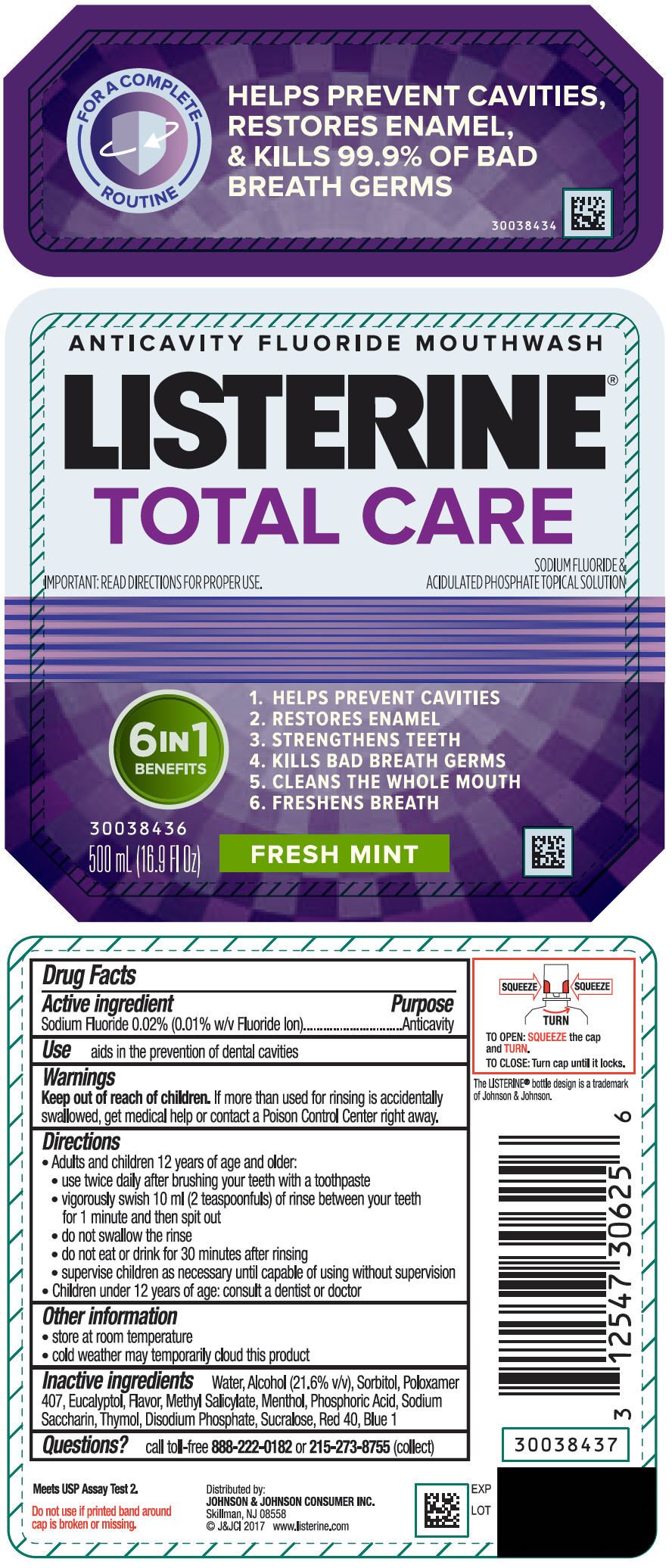
Mouthwash Ingredients
💡 Pro Tip: Check the label for "therapeutic" versus "cosmetic" mouthwash. Therapeutic rinses contain active ingredients (fluoride, antimicrobials) with proven dental benefits and often have ADA (American Dental Association) acceptance seals. Cosmetic rinses only provide temporary breath freshening.
2. How Mouthwash Freshens Breath and Why It Works Temporarily 🌬️⏰
Bad breath (halitosis) is primarily caused by volatile sulfur compounds (VSCs): produced by bacteria breaking down proteins in food debris, dead cells, and saliva.
How mouthwash freshens breath:
Kills odor-causing bacteria: Antimicrobial ingredients reduce populations of anaerobic bacteria (bacteria that thrive without oxygen) living on the tongue, between teeth, and in gum pockets.

Mouth Bacteria
These bacteria produce VSCs, so reducing their numbers decreases odor production.
Studies show antimicrobial mouthwashes reduce VSC levels by 50-80% immediately after use.
Neutralizes odors: Some ingredients chemically neutralize sulfur compounds rather than just masking them.
Zinc compounds (zinc chloride, zinc lactate) bind to sulfur, preventing VSC formation.
Masks odors with flavoring: Menthol, eucalyptol, and mint oils provide immediate fresh scent that covers any remaining odor for 30-90 minutes.
Reduces tongue coating: The tongue's rough surface, especially the back third, harbors the most odor-producing bacteria. Swishing mouthwash mechanically loosens some of this coating, though tongue scraping is more effective.
Why the effect is temporary:
Bacteria repopulate quickly from saliva, food, and the environment. Bacterial counts return to baseline within 2-4 hours after mouthwash use.
3. Fighting Gum Disease and Reducing Plaque with Antiseptic Rinses 🦠🛡️
Gum disease (gingivitis and periodontitis) is caused by bacterial plaque accumulating at the gum line, triggering inflammation. Left untreated, it progresses to bone loss and tooth loss.

How antiseptic mouthwashes fight gum disease:
Reduce C: Antimicrobial ingredients kill or inhibit Streptococcus mutans (primary cavity-causing bacteria) and Porphyromonas gingivalis (a major periodontal disease pathogen). Clinical trials show antimicrobial mouthwashes reduce plaque by 20-50% depending on the active ingredient.
Decrease gingivitis symptoms: By controlling bacterial populations, mouthwash reduces gum inflammation, bleeding, redness, and swelling. Studies demonstrate 20-40% reduction in gingivitis severity with daily use of therapeutic mouthwashes.
Penetrate areas brushing misses: Liquid reaches between teeth, along the gum line, and around dental work more easily than bristles alone.
The evidence for different antimicrobials:
Chlorhexidine (prescription): Gold standard for treating active gum disease. Reduces plaque by 50-60% and significantly improves gingivitis within 2-4 weeks.
Dentists prescribe it for short-term use (4-6 weeks) during gum disease treatment. Not recommended for continuous daily use due to tooth staining and taste alteration.
Cetylpyridinium Chloride (CPC): Effective for daily maintenance. Safe for long-term use without significant side effects. Found in Crest Pro-Health, Colgate Total, and many store brands.
Essential oils (Listerine formula): Multiple clinical trials demonstrate plaque reduction comparable to CPC and significant gingivitis improvement. The ADA grants its Seal of Acceptance to essential oil mouthwashes for gingivitis control.
Important limitations: Mouthwash cannot remove established plaque (tartar) below the gum line. Professional dental cleaning is essential for treating moderate to severe gum disease. Mouthwash is a supplement to brushing and flossing, not a replacement.
4. When to Use Mouthwash and How to Choose the Right Type 🕐🛒
When mouthwash provides genuine benefit:
After meals when you can't brush: Swishing with mouthwash (especially fluoride or antimicrobial types) removes food particles, neutralizes acids, and reduces bacterial growth until you can properly brush.
Before bed: Using fluoride mouthwash at bedtime provides overnight enamel strengthening when saliva production (which naturally protects teeth) is lowest during sleep.
High cavity risk: If you're prone to cavities, fluoride mouthwash provides additional protection beyond toothpaste.
Active gum disease: Antimicrobial mouthwashes help control bacterial infections causing gingivitis, used alongside professional treatment.
Dry mouth: Alcohol-free mouthwashes with xylitol provide moisture and help control bacteria when saliva (your natural defense) is insufficient.
Orthodontic appliances: Braces, retainers, and other dental work create hard-to-clean areas where fluoride and antimicrobial mouthwashes offer extra protection.
How to choose the right mouthwash:
Primary Need | Active Ingredient to Look For | Product Examples | Usage Notes |
|---|---|---|---|
Cavity prevention | Fluoride (0.05% sodium fluoride) | ACT Restoring, Crest Pro-Health Rinse | Use after brushing, don't rinse after |
Gum disease/gingivitis | CPC, essential oils, or chlorhexidine | Listerine, Crest Pro-Health, Peridex (Rx) | Use twice daily, chlorhexidine short-term only |
Fresh breath only | Flavoring agents, zinc compounds | Scope, generic cosmetic rinses | Provides temporary masking, no therapeutic benefit |
Dry mouth relief | Alcohol-free, xylitol | Biotene, TheraBreath | Moisturizes, use as needed throughout day |
Sensitivity | Potassium nitrate, stannous fluoride | Sensodyne ProNamel Rinse | Blocks pain signals, strengthens enamel |
Whitening | Hydrogen peroxide (1.5-3%) | Crest 3D White, Listerine Whitening | Mild surface stain removal, use daily |
Proper mouthwash technique:
Brush and floss first (removes debris for better ingredient contact)
Pour 20mL (about 4 teaspoons or fill cap to line)
Swish vigorously for 30-60 seconds, ensuring liquid reaches all tooth surfaces, gum line, and tongue
Spit out completely (don't swallow therapeutic mouthwash)
Don't rinse with water: This washes away active ingredients
Wait 30 minutes before eating or drinking for maximum benefit
When you DON'T need mouthwash: If you brush twice daily with fluoride toothpaste, floss once daily, drink fluoridated water, and have no cavities or gum disease, mouthwash offers minimal additional benefit. Good mechanical cleaning (brushing and flossing) is more important than mouthwash.
💡 Pro Tip: Look for the ADA Seal of Acceptance on mouthwash bottles. This indicates the product has submitted scientific evidence demonstrating safety and efficacy for its claimed benefits.
Turn AI Into Your Income Stream

The AI economy is booming, and smart entrepreneurs are already profiting. Subscribe to Mindstream and get instant access to 200+ proven strategies to monetize AI tools like ChatGPT, Midjourney, and more. From content creation to automation services, discover actionable ways to build your AI-powered income. No coding required, just practical strategies that work.
Takeaways
Fluoride mouthwash (0.05% sodium fluoride) prevents cavities by remineralizing enamel, incorporating into tooth structure as acid-resistant fluorapatite, reducing cavity incidence by 20-30% beyond toothpaste alone when used after brushing without rinsing afterward for 30 minutes.
Antimicrobial mouthwashes (essential oils, CPC, chlorhexidine) reduce plaque by 20-50% and decrease gingivitis by killing bacteria causing gum disease, with chlorhexidine most effective for treating active infection short-term and CPC/essential oils suitable for daily maintenance.
Proper technique is critical for effectiveness: swish 20mL for 30-60 seconds twice daily after brushing and flossing, don't rinse with water afterward, and choose formulas targeting specific needs (fluoride for cavities, antimicrobials for gum health, alcohol-free for dry mouth) rather than generic cosmetic rinses.
Feedback & Sponsorship
What'd you think of this week's newsletter? Hit reply to let us know. Did we crush it? Blow your mind? We read every response.
Want your brand in front of hundreds of thousands of readers? Contact us for sponsorship opportunities [email protected]
Want more where that came from? Head to our website
The best-kept secret to healthy aging
Meet Livelong, the newsletter for healthy aging. Get short, science-backed reads on diet, exercise, mental health, physical health, sleep, and more. We translate the latest research into simple, actionable steps you can take today. Look good, feel better, and live longer.
Reply