- Aeviva
- Posts
- Plan B Explained: What Emergency Contraception Actually Does (And Doesn't Do)
Plan B Explained: What Emergency Contraception Actually Does (And Doesn't Do)
It's not an abortion pill, it doesn't cause birth defects, and it's less effective than you think
In partnership with

Estimated Read Time: 5 minutes
Plan B prevents up to 89% of pregnancies when taken within 72 hours of unprotected sex.
Yet confusion about how it works fuels myths that it causes abortions or harms future fertility.
Understanding the mechanism, effectiveness window, and limitations could prevent unintended pregnancies and unnecessary panic.
Today's Issue
Main Topic: How emergency contraception works, when it's effective, and what it can't do
Subtitles:
What Plan B actually does to prevent pregnancy
The 72-hour window and why timing is everything
Weight, ovulation, and why it fails more than you'd expect
Side effects and safety concerns (separating myths from facts)
What to do if it fails and when you need alternatives
Abstract: Emergency contraception, primarily levonorgestrel (Plan B) and ulipristal acetate (ella), prevents pregnancy by delaying or inhibiting ovulation, not by causing abortion or preventing implantation. Levonorgestrel is most effective within 24 hours (95% efficacy) but declines rapidly, reaching only 58% effectiveness by 48-72 hours. It fails entirely if ovulation has already occurred and is significantly less effective in women over 165 lbs due to inadequate dosing for body weight. The drug does not terminate existing pregnancies, cause birth defects if pregnancy occurs, or affect future fertility. Side effects include irregular bleeding, nausea, and temporary cycle disruption. This newsletter examines the pharmacology, efficacy data by timing and weight, common misconceptions including the abortion myth, and guidance on when alternative emergency contraception or medical abortion is necessary.The aspartame versus sugar debate epitomizes nutritional confusion. One side warns that aspartame is a "toxic chemical" causing cancer and neurological damage. The other counters that sugar is definitively killing people through metabolic disease. Both can't be equally bad, yet both have concerning evidence. The WHO's 2023 classification of aspartame as "possibly carcinogenic" reignited fears, but the classification system is widely misunderstood.

Emergency contraception is one of the most misunderstood medications in reproductive health. Despite being available over-the-counter since 2013, myths persist: that it's an abortion pill (it's not), that it prevents implantation (no evidence), that it harms future fertility (false), and that one pill works equally for everyone (body weight dramatically affects efficacy).
Plan B and similar products work by preventing ovulation, the release of an egg from the ovary. If no egg is released, sperm can't fertilize it, and pregnancy can't begin. The critical limitation is timing: the drug must be taken before ovulation occurs. Once an egg is released, emergency contraception is ineffective.
Understanding the narrow window of effectiveness, the weight-related failure rates, and what to do when it doesn't work is essential for anyone relying on it as a backup method.
How 15 Small Brands Achieved Remarkable Marketing Results

Stop believing you need a big budget to make an impact. Our latest collection highlights 15 small brands that transformed limited resources into significant market disruption through innovative thinking.
Case studies revealing ingenious approaches to common marketing challenges
Practical tactics that delivered 900%+ ROI with minimal investment
Strategic frameworks for amplifying your brand without amplifying your budget
These actionable insights can be implemented immediately, regardless of your team or budget size. See how small brands are making big waves in today's market.
1. What Plan B Actually Does to Prevent Pregnancy 💊🧬
The mechanism is simpler than most people think: Emergency contraception containing levonorgestrel (Plan B One-Step, My Way, Take Action) or ulipristal acetate (ella, prescription-only in US) works primarily by delaying or inhibiting ovulation (preventing the ovary from releasing an egg).
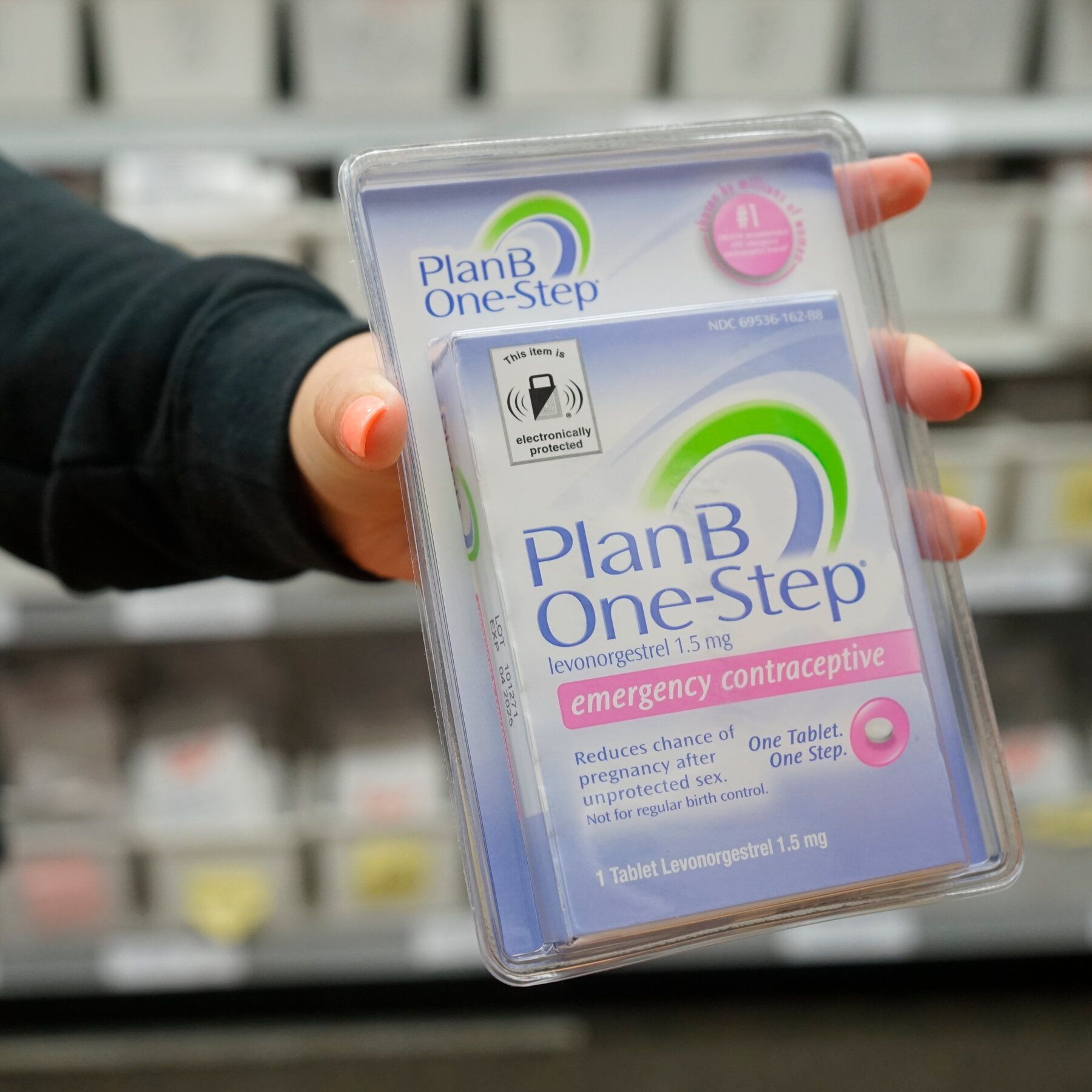
Plan B One-Step
How ovulation delay works: Both drugs are synthetic hormones that temporarily disrupt the hormonal cascade triggering ovulation. Normally, a surge in luteinizing hormone (LH) causes the ovary to release an egg around day 14 of the menstrual cycle.
Levonorgestrel blocks or delays this LH surge. If you take Plan B before the LH surge peaks, ovulation is postponed by several days, long enough for sperm (which survive 3-5 days in the reproductive tract) to die before an egg is available.
What it does NOT do: Plan B does not prevent implantation (the attachment of a fertilized egg to the uterine lining). The WHO and FDA both state that levonorgestrel does not prevent implantation of a fertilized egg.
If implantation has already occurred (meaning pregnancy has begun), Plan B will not affect the pregnancy. This is why it's not an abortion pill.
The critical timing factor: The drug only works if taken before ovulation. If ovulation has already occurred when you take it, the medication is completely ineffective.
Studies show zero efficacy when taken after ovulation has happened. This is why the effectiveness window is so narrow and why it fails in many cases.
Ulipristal acetate (ella) is more effective: Ella delays ovulation more effectively than levonorgestrel and remains effective closer to ovulation. Ella maintains approximately 65-85% efficacy for up to 120 hours (5 days), while levonorgestrel drops to 58% by 72 hours.
💡 Critical Context: The abortion debate around Plan B is based on the disproven implantation theory. Since Plan B doesn't prevent implantation and doesn't affect existing pregnancies, calling it an "abortion pill" is scientifically incorrect. Medical and legal definitions of pregnancy begin at implantation, not fertilization.
2. The 72-Hour Window and Why Timing Is Everything ⏰📉
Effectiveness declines rapidly with time:
Within 24 hours: Plan B is 95% effective at preventing pregnancy when taken within the first day after unprotected sex. This is when it works best because ovulation is less likely to have occurred yet.
24-48 hours: Efficacy drops to approximately 85%. You're still within a reasonable window, but the longer you wait, the higher the chance ovulation has already happened.
48-72 hours: Effectiveness falls to 58%. This means Plan B fails to prevent pregnancy in over 40% of cases when taken this late. The decline happens because the probability that ovulation has already occurred increases with each passing day.
After 72 hours: Levonorgestrel (Plan B) is no longer recommended. Ella remains an option up to 120 hours (5 days) with better maintained efficacy, but even ella's effectiveness declines over time.
Why the window exists: Sperm can survive in the female reproductive tract for up to 5 days, waiting for an egg. If you have sex on day 12 of your cycle and ovulate on day 14, sperm are present when the egg is released. If you take Plan B on day 13 (36 hours after sex), it might delay ovulation to day 16, by which time the sperm have died. But if you wait until day 14 to take Plan B and ovulation has already occurred that morning, the medication does nothing.
The ovulation uncertainty problem: Most people don't know exactly when they ovulate. Cycle tracking apps estimate based on average cycles, but ovulation can vary by several days month-to-month.

Time After Unprotected Sex | Plan B Effectiveness | Ella Effectiveness | Why It Matters |
|---|---|---|---|
0-24 hours | 95% | 95-98% | Ovulation unlikely to have occurred |
24-48 hours | 85% | 90-95% | Ovulation risk increasing |
48-72 hours | 58% | 85% | High probability ovulation occurred |
72-120 hours | Not recommended | 65% | Only ella is effective this late |
After 120 hours | Ineffective | Ineffective | Ovulation has likely occurred, sperm may have fertilized egg |
3. Weight, Ovulation, and Why It Fails More Than You'd Expect ⚖️❌
Plan B is significantly less effective in women over 165 lbs and may not work at all above 176 lbs. The 1.5mg dose is insufficient for higher body weights, reducing hormone concentrations needed to suppress ovulation.
European labels warn about this, but US packaging doesn't prominently feature weight limitations.
Other failure causes: Taking it after ovulation already occurred, drug interactions (seizure meds, St. John's Wort), vomiting within 2 hours, or being pregnant from previous unprotected sex. Even with perfect timing, Plan B has a 5% failure rate.
The copper IUD is 99.9% effective as emergency contraception regardless of weight and works up to 5 days after sex.
4. Side Effects and Safety Concerns (Separating Myths From Facts) ⚠️✅
Common temporary side effects include irregular bleeding (15-20% of users), nausea (25%), fatigue, headache, and cramping.
Your next period may come early, late, or be heavier/lighter than normal.
Myths debunked: Plan B does NOT cause infertility, does NOT cause birth defects if pregnancy occurs, is NOT dangerous with repeated use, and does NOT require a prescription (available OTC since 2013 with no age restrictions).
Long-term safety is well-established with hundreds of millions of users globally.
No long-term health risks exist, though it's not intended as regular contraception due to lower efficacy and cycle disruption compared to ongoing methods.
5. What to Do If It Fails and When You Need Alternatives 🚨💊
How to know if it worked: Plan B doesn't provide immediate confirmation. The only way to know is waiting for your next period or taking a pregnancy test.
If your period is more than a week late, take a pregnancy test. Home tests are accurate 1-2 weeks after a missed period.
If pregnancy occurs: Plan B failure means pregnancy has begun. At this point, you have three options:
continue the pregnancy,
medical abortion (abortion pills mifepristone + misoprostol, effective up to 11 weeks),
surgical abortion. Plan B itself won't terminate an existing pregnancy.
When to use alternatives:
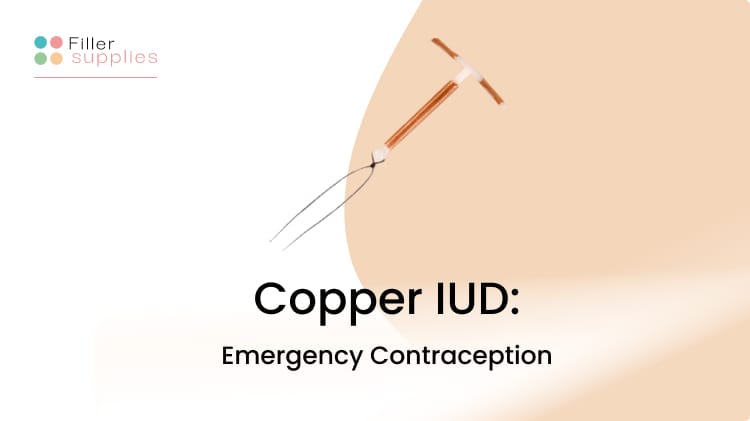
Copper IUD as emergency contraception: This is the most effective emergency contraception (99.9%) and works up to 5 days after unprotected sex. It prevents fertilization through copper ions that are toxic to sperm and eggs. It's the best option for women over 165 lbs or when multiple acts of unprotected sex occurred.
Ella (ulipristal acetate): More effective than Plan B, especially 48-120 hours after sex and in heavier individuals. Requires prescription but can often be obtained via telemedicine same-day.
What if you had unprotected sex multiple times? Plan B only covers one instance of unprotected sex. If you have unprotected sex again after taking Plan B (even days later in the same cycle), you're not protected and would need another dose or different emergency contraception. This is why the copper IUD is often better in these situations.
💡 Critical Warning: Emergency contraception does not protect against sexually transmitted infections (STIs). If there's any STI risk from unprotected sex, get tested regardless of whether you take Plan B.
When AI Outperforms the S&P 500 by 28.5%

Did you catch these stocks?
Robinhood is up over 220% year to date.
Seagate is up 198.25% year to date.
Palantir is up 139.17% this year.
AltIndex’s AI model rated every one of these stocks as a “buy” before it took off.
The kicker? They use alternative data like reddit comments, congress trades, and hiring data.
We’ve teamed up with AltIndex to give our readers free access to their app for a limited time.
The next top performer is already taking shape. Will you be looking at the right data?
Past performance does not guarantee future results. Investing involves risk including possible loss of principal.
Takeaways
Plan B prevents pregnancy by delaying ovulation, not causing abortion, with no effect on implantation or existing pregnancies, and effectiveness declining from 95% within 24 hours to 58% at 48-72 hours because it completely fails if ovulation already occurred.
Body weight dramatically affects efficacy, with Plan B significantly less effective in women over 165 lbs and potentially ineffective above 176 lbs due to insufficient dosing, making ella or the copper IUD better options for higher-weight individuals.
The copper IUD is the most effective emergency contraception at 99.9% regardless of weight or timing within 5 days, while Plan B has limitations including 5% failure rate even with perfect use, no STI protection, and need for ongoing contraception if used repeatedly.
Feedback & Sponsorship
What'd you think of this week's newsletter? Hit reply to let us know. Did we crush it? Blow your mind? We read every response.
Want your brand in front of hundreds of thousands of readers? Contact us for sponsorship opportunities [email protected]
Want more where that came from? Head to our website
The Gold standard for AI news

AI keeps coming up at work, but you still don't get it?
That's exactly why 1M+ professionals working at Google, Meta, and OpenAI read Superhuman AI daily.
Here's what you get:
Daily AI news that matters for your career - Filtered from 1000s of sources so you know what affects your industry.
Step-by-step tutorials you can use immediately - Real prompts and workflows that solve actual business problems.
New AI tools tested and reviewed - We try everything to deliver tools that drive real results.
All in just 3 minutes a day
Reply