- Aeviva
- Posts
- Boosting Dopamine or Playing with Fire? The Hidden Parkinson’s Drug in Herbal Pills
Boosting Dopamine or Playing with Fire? The Hidden Parkinson’s Drug in Herbal Pills
These supplements contain the same compound used to treat dopamine-depleted brains, but at what cost?
In partnership with

Estimated Read Time: 8 minutes
Walk into any supplement store and you'll find bottles promising to "boost dopamine naturally."
What they don't prominently advertise is that they contain L-dopa, the exact same pharmaceutical compound prescribed for Parkinson's disease.
The doses are lower, but the molecule is identical, and the risks don't disappear just because it came from a velvet bean instead of a pharmacy.
Today's Issue
Main Topic: L-dopa supplements from natural sources, mechanism, benefits, and serious risks
Subtitles:
What L-dopa is and how it becomes dopamine in your brain
Mucuna pruriens and fava beans: nature's dopamine precursors
How Parkinson's patients use L-dopa at pharmaceutical doses
The benefits claimed for supplements (and what's actually proven)
The risks nobody warns you about on the label
Abstract: L-dopa (levodopa) is the pharmaceutical precursor to dopamine used to treat Parkinson's disease, where dopamine-producing neurons degenerate.
Natural sources including Mucuna pruriens (velvet bean) and Vicia faba (fava beans) contain L-dopa at varying concentrations, with Mucuna extracts standardized to 15-20% L-dopa delivering 100-200mg per serving.
While Parkinson's patients take 300-1,200mg daily under medical supervision, supplements provide lower but pharmacologically active doses. L-dopa crosses the blood-brain barrier and converts to dopamine, affecting mood, motivation, movement, and reward circuits.
Claimed benefits include enhanced mood, motivation, and cognitive function, but evidence in healthy individuals is limited. Risks include nausea, dyskinesia, dopamine receptor downregulation, psychiatric effects, cardiovascular changes, and interactions with medications. This newsletter examines the biochemistry, compares supplement versus pharmaceutical doses, evaluates evidence for benefits and risks, and provides an honest assessment of whether healthy people should use L-dopa supplements.
Introduction
Dopamine is the neurotransmitter of motivation, reward, and movement. When Parkinson's patients lose dopamine-producing neurons, they develop tremors, rigidity, and movement difficulties. The pharmaceutical solution is L-dopa (levodopa), which enters the brain and converts to dopamine, temporarily replacing what's been lost. This is established medicine. What's new is the supplement industry selling plant-derived L-dopa to healthy people, promising enhanced mood, motivation, and mental performance. The molecule is identical whether it comes from Mucuna pruriens or a pharmaceutical lab. The doses are lower in supplements, typically 100-200mg versus the 300-1,200mg Parkinson's patients take, but lower doesn't mean safe or appropriate for people with normal dopamine systems. Understanding what L-dopa actually does, why it works for Parkinson's, and whether healthy brains benefit or suffer from exogenous dopamine precursors requires examining the biochemistry and being honest about unknowns.
Stop Buying Expensive Probiotics
Stop getting ripped off by expensive probiotics that don't work.
Most probiotics are freeze-dried and have low probiotic counts.
Make trillions of live, health-enhancing probiotics up to 90% cheaper with the #1 yogurt maker in America.
It’s yours for just $71.95 with free lifetime warranty while supplies last.
Not evaluated by the FDA. This product isn’t meant to diagnose, treat, or cure.
1. What L-Dopa Is and How It Becomes Dopamine in Your Brain 🧠⚗️
L-dopa (levodopa) is an amino acid and the direct precursor to dopamine. Your body naturally produces small amounts from the amino acid tyrosine, but this conversion is tightly regulated. When you consume L-dopa supplements or pharmaceuticals, you're bypassing this regulation.
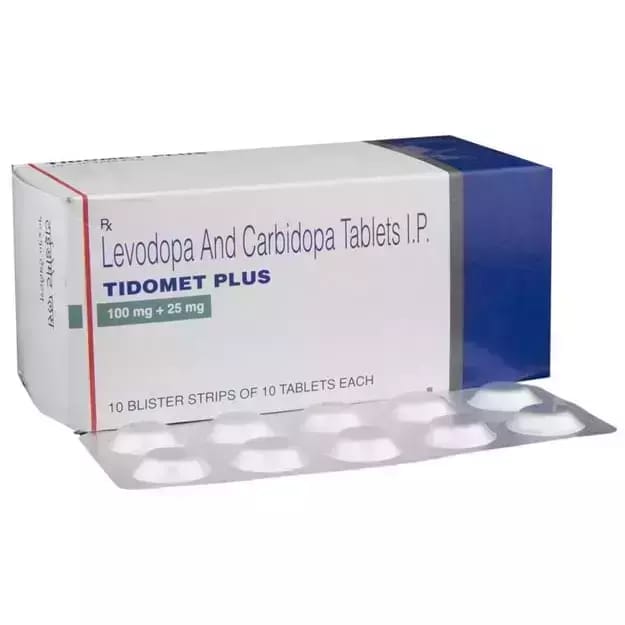
The conversion pathway: L-dopa → (via enzyme AADC) → Dopamine. The enzyme AADC converts L-dopa to dopamine both in the brain and other parts (outside the brain).

Why L-dopa and not dopamine directly? Dopamine cannot cross the blood-brain barrier (the protective barrier separating blood from brain tissue).
L-dopa can cross this barrier via amino acid transporters. Once inside the brain, AADC converts it to dopamine, increasing dopamine levels in brain regions where it's needed.
What dopamine does in the brain:
Movement control: The substantia nigra produces dopamine that controls motor function. Parkinson's occurs when these neurons die.
Reward and motivation: The ventral tegmental area releases dopamine in response to rewards, driving motivated behavior.
Executive function: Dopamine in the prefrontal cortex regulates attention, planning, and impulse control.
Mood regulation: Dopamine influences feelings of pleasure, satisfaction, and emotional well-being.
The dose-response relationship: In Parkinson's patients with severe dopamine depletion, adding L-dopa restores closer to normal function.
But in healthy people with normal dopamine, adding more creates supraphysiological levels, pushing the system beyond its optimal range.
More dopamine isn't necessarily better, it can disrupt the delicate balance of neurotransmitter systems.
💡 Critical Context: Your brain tightly regulates dopamine production for good reason. Too little causes Parkinson's symptoms. Too much causes psychosis, as seen in schizophrenia or with dopamine-increasing drugs like cocaine and amphetamines. The "Goldilocks zone" is specific to each individual.
2. Mucuna Pruriens and Fava Beans: Nature's Dopamine Precursors 🌱💊
Two plants naturally contain significant L-dopa concentrations and are sold as supplements.
Mucuna pruriens (velvet bean) is a tropical legume traditionally used in Ayurvedic medicine. The seeds contain 3-7% L-dopa by weight naturally. Commercial extracts are standardized to 15-20% L-dopa, meaning a 500mg capsule of standardized extract delivers approximately 75-100mg of L-dopa.

Mucuna pruriens
Vicia faba (fava beans, broad beans) contain lower L-dopa concentrations, approximately 0.5-1.0% by dry weight in the pods and beans. Eating 100g of fava beans might provide 50-100mg of L-dopa. Some Parkinson's patients anecdotally report symptom improvement after eating fava beans, though this is inconsistent and not a reliable treatment.
Supplement doses versus pharmaceutical doses:
Source | Typical Dose | L-Dopa Content | Use Case |
|---|---|---|---|
Mucuna supplement | 500-1,000mg extract | 100-200mg L-dopa | Mood, motivation (claimed) |
Fava beans | 100-200g cooked | 50-100mg L-dopa | Food, not medical use |
Pharmaceutical (Sinemet) | Starting: 100-200mg | 100-200mg + carbidopa | Early Parkinson's |
Pharmaceutical (advanced) | 300-1,200mg daily | 300-1,200mg + carbidopa | Moderate-severe Parkinson's |
Standardization quality issues: Many Mucuna supplements don't contain the claimed L-dopa content. Testing shows variability of 50-200% from label claims. Without third-party testing, you don't know what dose you're actually taking.

Vicia faba
3. How Parkinson's Patients Use L-Dopa at Pharmaceutical Doses 💊🧬
Understanding medical use provides context for supplement use in healthy people.
Parkinson's disease involves progressive degeneration of dopamine neurons in the substantia nigra. By the time symptoms appear, about 60-80% of these neurons are already dead.

L-dopa temporarily replaces the missing dopamine.
Pharmaceutical dosing: Patients typically start with 100-200mg L-dopa (combined with carbidopa) three times daily. As the disease progresses and more neurons die, doses increase to 300-1,200mg daily in divided doses.
The goal is maintaining dopamine levels high enough to control symptoms without causing dyskinesias (involuntary movements from excessive dopamine).
Why it works for Parkinson's: The remaining healthy neurons convert L-dopa to dopamine, temporarily restoring function. However, as more neurons die, the "storage capacity" for dopamine decreases.
Eventually, patients experience "wearing off" (medication effects diminish) and "on-off" phenomena (unpredictable fluctuations).
Long-term complications: After 5-10 years of L-dopa treatment, many patients develop dyskinesias (involuntary, erratic movements) and motor fluctuations. This isn't from L-dopa toxicity but from the disease progression combined with pulsatile dopamine stimulation. The brain becomes hypersensitive to dopamine fluctuations.
Why pharmaceutical L-dopa isn't given to healthy people: Doctors don't prescribe L-dopa preventively or for "dopamine optimization" in healthy individuals because:
No evidence of benefit in people with normal dopamine function
Risk of side effects outweighs theoretical benefits
Potential for receptor downregulation and tolerance
Psychiatric risks including anxiety, agitation, and psychosis
Cardiovascular effects from peripheral dopamine
Yet supplements containing the same molecule are sold over-the-counter with minimal regulation or warning.
💡 Pro Tip: Parkinson's patients are medically supervised with regular monitoring, dose adjustments, and management of side effects. Supplement users have none of this support despite taking pharmacologically active doses of the same compound.
4. The Benefits Claimed for Supplements (And What's Actually Proven) ✅❓

Mucuna pruriens and L-dopa supplements are marketed for enhancing mood, motivation, libido, muscle growth, and cognitive function. Let's examine the evidence.
Mood and motivation: Theoretically, increasing dopamine could improve mood and drive in people with low baseline dopamine.
However, clinical trials in healthy individuals are essentially non-existent. Most research uses Parkinson's patients, where benefit is clear but irrelevant to healthy users.
Libido and testosterone: Some animal studies suggest Mucuna increases testosterone and improves fertility in stressed or subfertile males. Human evidence is limited. One study in infertile men showed improvements, but this may be correcting a deficiency rather than enhancing normal function. No quality evidence supports libido enhancement in healthy individuals.
Athletic performance and muscle growth: Bodybuilding communities promote Mucuna for growth hormone release (dopamine can trigger GH release) and muscle recovery. The evidence is purely anecdotal. No controlled trials demonstrate performance enhancement or muscle growth from L-dopa supplements in athletes.
Cognitive enhancement: Dopamine is involved in working memory, attention, and executive function, leading to claims of nootropic effects. However, the dopamine-cognition relationship is an inverted U-curve: too little impairs cognition, optimal levels maximize it, and too much impairs it again. Adding dopamine to an already optimal system doesn't improve cognition and may worsen it.
What is proven: Mucuna pruriens extract works in Parkinson's patients, demonstrating the L-dopa is bioactive. That's it. Everything else is extrapolation, theory, or anecdote.
5. The Risks Nobody Warns You About on the Label ⚠️
L-dopa is a pharmaceutical drug with known side effects, and these don't disappear because the source is "natural."
Gastrointestinal effects: Nausea, vomiting, and loss of appetite are extremely common, occurring in 30-50% of users. This happens because dopamine receptors in the gut trigger nausea. Pharmaceutical formulations include anti-nausea medications for this reason.
Dyskinesia risk: Chronic L-dopa exposure can cause involuntary movements even in people without Parkinson's. While this typically requires months to years of high doses, the risk exists. Once dyskinesias develop, they're difficult to reverse.
Dopamine receptor downregulation: Your brain adapts to chronic dopamine elevation by reducing receptor sensitivity and number. This creates tolerance (needing higher doses for the same effect) and potential withdrawal (depression, fatigue, anhedonia when stopping). You may end up with worse dopamine function than baseline.
Psychiatric effects: Excess dopamine causes anxiety, agitation, insomnia, paranoia, and in extreme cases, psychosis. People predisposed to psychiatric conditions (bipolar disorder, schizophrenia) face particularly high risk.
Cardiovascular effects: Peripheral dopamine increases heart rate and blood pressure. People with cardiovascular conditions risk arrhythmias or hypertensive crises. Combining L-dopa with stimulants (caffeine, other supplements) amplifies these risks.
💡 Critical Warning: If you have a family history of psychiatric disorders, cardiovascular disease, or are taking any medications affecting dopamine or serotonin, L-dopa supplements are particularly risky. Consult a physician, though most will advise against use.
Takeaways
L-dopa supplements contain the same pharmaceutical molecule used for Parkinson's disease, crossing the blood-brain barrier to increase dopamine, with Mucuna pruriens extracts delivering 100-200mg per serving compared to 300-1,200mg in Parkinson's treatment, but lacking carbidopa means less reaches the brain with more side effects.
Claims of mood, motivation, and cognitive enhancement lack evidence in healthy people, as dopamine function follows an inverted U-curve where optimal levels maximize function, and adding more to an already balanced system impairs rather than enhances performance.
Risks include nausea (30-50% of users), dyskinesia, dopamine receptor downregulation creating tolerance and withdrawal, psychiatric effects (anxiety, psychosis), cardiovascular changes, and drug interactions, all without the medical supervision Parkinson's patients receive despite taking the same compound.
Feedback & Sponsorship
What'd you think of this week's newsletter? Hit reply to let us know. Did we crush it? Blow your mind? We read every response.
Want your brand in front of hundreds of thousands of readers? Contact us for sponsorship opportunities [email protected]
Want more where that came from? Head to our website
Stop Buying Expensive Probiotics

What if it only took ONE CAPSULE of your favorite probiotics to start a nearly unlimited supply of gut-healthy bacteria?
And it was not only affordable, but easy to do in the convenience of your own kitchen?
Now YOU CAN with the #1 best-selling Ultimate Probiotic Yogurt Maker.
Join the millions who have stopped wasting money expensive probiotics and store-bought yogurt. These products are weak and ineffective.
Make up to 2 quarts of probiotic-rich yogurt using a single capsule of probiotics or spoonful of your favorite yogurt.
Just mix this "starter" with half-and-half dairy and set it in the Ultimate Probiotic Yogurt Maker to make the magic happen.
And it's so easy, a child can do it. The next day, you'll be enjoying your very own, rich and creamy probiotic yogurt.
Try the #1 Yogurt Maker in the USA today risk-free for just $71.95 with our LIFETIME WARRANTY.
Get Yours Today!
Not evaluated by the FDA. This product isn’t meant to diagnose, treat, or cure.
Reply