- Aeviva
- Posts
- The Cold & Flu Season: 3 supplements that actually help
The Cold & Flu Season: 3 supplements that actually help
Not everything works, but these three have evidence behind them when timing and dosage are right

In partnership with

Estimated Read Time: 6 minutes
The average adult catches 2-3 colds per year, each lasting 7-10 days of misery.
Drugstore shelves overflow with "immune support" supplements, most backed by marketing rather than science.
But three supplements consistently show evidence of reducing severity and duration, if you use them correctly.
Today's Issue
Main Topic: The three most effective supplements for preventing and treating cold and flu
Subtitles:
Vitamin C: the timing and dosage that actually matter
Zinc lozenges: why form and timing are everything
Elderberry: the viral replication blocker with real data
What doesn't work (and saves you money)
Abstract: While most "immune support" supplements lack evidence, three show consistent benefits for cold and flu when used correctly. Vitamin C at high doses (1,000-2,000mg daily) may reduce cold duration by 8-14% and severity, particularly in people under physical stress. Zinc lozenges (75-100mg daily) started within 24 hours of symptom onset reduce cold duration by 33% by interfering with viral replication in the throat. Elderberry extract contains compounds that prevent viral attachment and replication, reducing flu duration by 2-4 days in clinical trials. However, timing, dosage, and form are critical, most people use these supplements incorrectly and see no benefit. This newsletter examines the evidence, optimal protocols, and common mistakes that render these supplements ineffective.
Introduction
Every winter, people spend billions on supplements claiming to "boost immunity" or "fight colds naturally." Most do nothing measurable. The supplement industry thrives on desperate, miserable people willing to try anything. But buried in the marketing noise, three supplements have accumulated enough clinical evidence to be worth discussing: vitamin C, zinc, and elderberry. The catch? They only work when used with specific timing, dosages, and formulations that most people get wrong. Taking vitamin C after you're already sick does little. Using the wrong form of zinc is useless. Buying elderberry gummies with minimal active compounds wastes money. Let's cut through the nonsense and examine what actually works, when it works, and why most people don't see results despite using these supplements.
Support your immune health with one easy scoop.
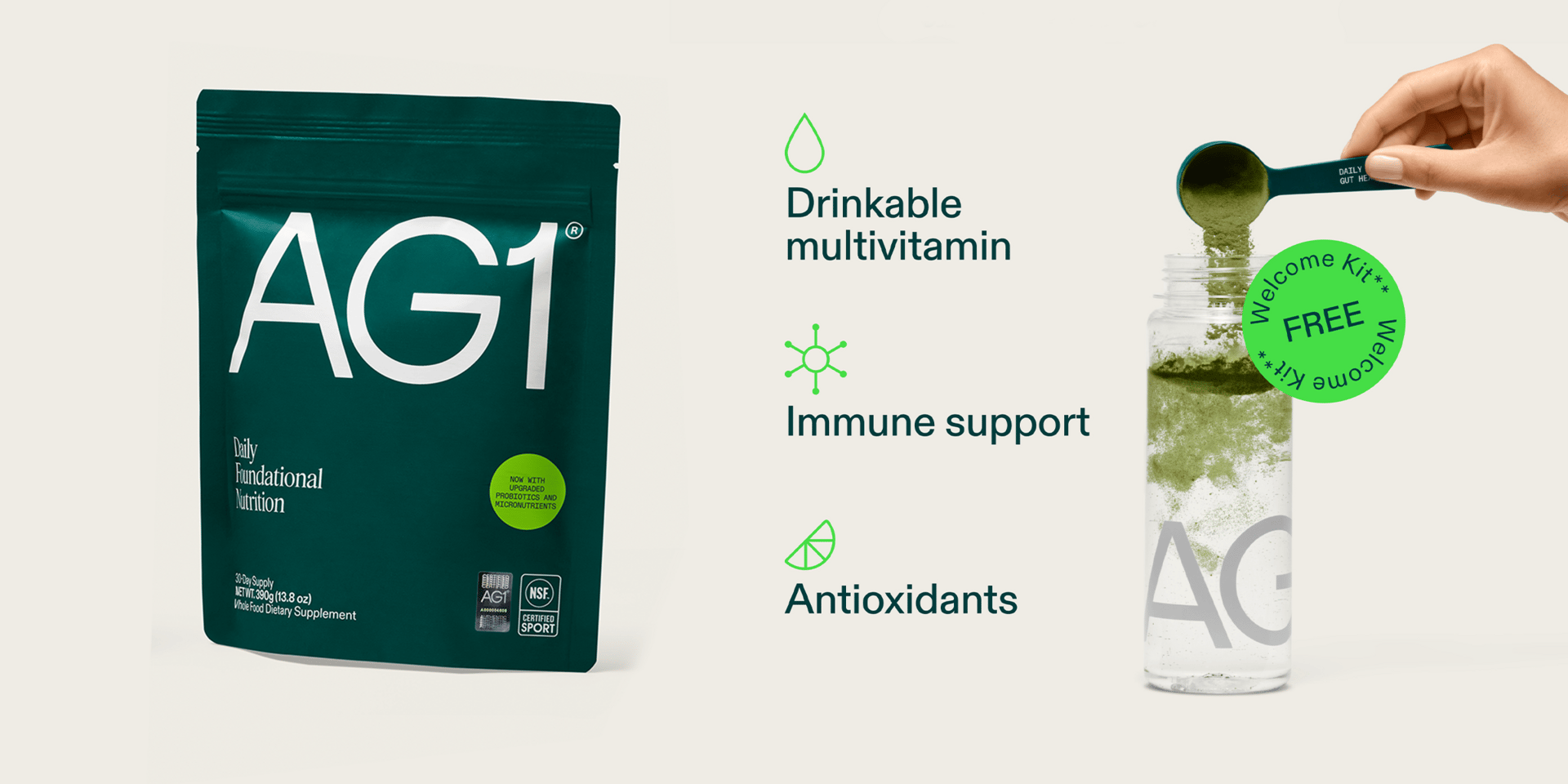
With kids back in school, large family gatherings and crazy holiday travel, this time of year, it's more important than ever to be proactive about supporting your immune health.
AG1 is the Daily Health Drink that contains your daily dose of essential nutrients to support your body’s immune defense and keep you resilient throughout the year.”
Just one scoop every day and you’ll get over 75 ingredients including Vitamin C, Zinc, Antioxidants, and pre/probiotics.
Click HERE to get a FREE AG1 Welcome Kit including an AG1 flavor sample pack, canister and shaker bottle with your first subscription.
*These statements have not been evaluated by the Food and Drug Administration.
1. Vitamin C: The Timing and Dosage That Actually Matter 🍊💊
Vitamin C is the most researched cold remedy, with over 29 controlled trials involving 11,000+ participants. The evidence is mixed but reveals important patterns.
First, vitamin C reduces cold duration and severity in people already supplementing when they get sick. The effect is modest: 8-14% reduction in duration (about one day shorter for a week-long cold) and reduced symptom severity. Not dramatic, but measurable.
Second, vitamin C prevents colds in people under severe physical stress. Marathon runners, soldiers in subarctic conditions, and skiers taking vitamin C had 50% fewer colds. This suggests vitamin C matters most when your body is under extreme stress that depletes reserves.
How it works: Vitamin C is an antioxidant (neutralizes free radicals and supports immune cell function) concentrated in white blood cells. During infection, immune cells consume vitamin C rapidly. Supplementation maintains adequate levels for optimal immune response. Vitamin C also supports the epithelial barrier (the protective lining of airways) and enhances neutrophil function (white blood cells that kill pathogens).
The dosage debate: Most studies showing benefits used 1,000-2,000mg daily. The RDA is only 75-90mg, which prevents scurvy but may not be optimal for immune function during illness.

Taking too much vitamin C can lead to crystal formation in urine so extreme doses of vitamin C don’t really contribute to better even better health and protection!
Timing is critical: Starting vitamin C after symptoms appear does little. The benefit comes from maintaining adequate levels before and throughout illness. Think of it as insurance, you can't buy it after the house burns down.
Supplement | Mechanism | Effective Dose | Timing | Efficacy |
|---|---|---|---|---|
Vitamin C | Antioxidant, immune support | max 1000mg | Preventive or within 24h | Reduces duration 8-14%, severity moderate |
Echinacea purpurea | Immune modulation, antiviral | 2,400-3,000mg daily (divided doses) | At first symptoms, continue 7-10 days | Reduces incidence 10-20%, duration 1-2 days |
Elderberry | Prevents viral attachment | 300-600mg extract 2-4x daily | Within 48h of symptoms | Reduces flu duration 2-4 days, symptom severity |
💡 Pro Tip: Vitamin C won't prevent colds for most people, but taking 1,000-2,000mg daily during cold season may reduce severity and duration if you do get sick. It's cheap insurance with minimal downside.
2. Echinacea Purpurea: The Specific Species That Shows Real Promise 🌸⚡
Echinacea has a confusing evidence base because "echinacea" refers to multiple species and plant parts, and they're not interchangeable. Echinacea purpurea specifically shows the most consistent benefits.
The evidence for E. purpurea: A 2015 meta-analysis found that E. purpurea reduced cold incidence by 10-20% and shortened duration by 1-2 days when taken at first symptoms. A 2012 study in Switzerland showed that E. purpurea extract taken at the onset of cold symptoms reduced cold duration from 9 days to 6 days compared to placebo.
How it works: E. purpurea contains multiple bioactive compounds including alkamides (molecules that modulate immune cell activity), polysaccharides (complex sugars that enhance macrophage function), and caffeic acid derivatives (antioxidants with antiviral properties).
These compounds work through several mechanisms:
First, immune modulation. Echinacea stimulates phagocytosis (immune cells engulfing pathogens), increases natural killer cell activity, and enhances cytokine production in a balanced way, stimulating defense without causing excessive inflammation.
Second, direct antiviral effects. In vitro studies show echinacea compounds inhibit several respiratory viruses including rhinoviruses and coronaviruses by interfering with viral attachment to cells.
Effective dosing: Clinical trials showing benefits used 2,400-3,000mg daily of E. purpurea extract, divided into 3-4 doses. This is much higher than most commercial products provide. A typical capsule contains 300-500mg, meaning you need 6-10 capsules daily for therapeutic doses.
Timing matters enormously: Echinacea is most effective when started at the very first signs of a cold (that scratchy throat feeling, slight fatigue) and continued for 7-10 days. Starting after you're fully sick reduces effectiveness. Taking it preventively year-round shows minimal benefit and isn't recommended.
Side effects and safety: Echinacea is generally safe with minimal side effects. Some people experience mild digestive upset or allergic reactions (particularly those allergic to plants in the daisy family). There's theoretical concern about using echinacea in autoimmune conditions due to immune stimulation, though evidence of harm is lacking. Short-term use (10 days) during colds is considered safe.

💡 Fun Fact: Native Americans used echinacea for centuries to treat infections and wounds. German researchers in the 1920s brought it to Europe where it became one of the most prescribed herbal medicines, particularly in Germany where physicians write millions of echinacea prescriptions annually.
3. Elderberry: The Viral Replication Blocker with Real Data 🫐🛡️

Elderberry (Sambucus nigra) has transitioned from folk remedy to evidence-based supplement, particularly for influenza.
The research is surprisingly strong: Multiple clinical trials show elderberry extract reduces flu duration and severity significantly. A 2019 meta-analysis found that elderberry supplementation reduced upper respiratory symptoms by an average of 2-4 days compared to placebo. A 2004 study in Israel found that 93% of flu patients taking elderberry were completely symptom-free within 2-3 days, compared to 6 days for the placebo group.
How it works: Elderberry contains high concentrations of anthocyanins (powerful antioxidant compounds that give elderberries their dark purple color) and other flavonoids. These compounds have two primary mechanisms:
First, they inhibit viral attachment. The compounds prevent influenza viruses from binding to cell surface receptors, blocking initial infection. Second, they reduce viral replication once infection has occurred. In vitro studies show elderberry extract inhibits multiple strains of influenza virus, including H1N1.
Elderberry also has anti-inflammatory properties, reducing the cytokine response that causes many flu symptoms (fever, body aches, fatigue). It doesn't just fight the virus, it reduces the inflammatory overreaction that makes you feel terrible.
Effective dosing: Most clinical trials used 300-600mg of elderberry extract taken 2-4 times daily, starting within 48 hours of symptom onset and continuing for 5 days. Syrups and lozenges work if they contain adequate extract.
COVID-19 consideration: Some suggested elderberry might help with COVID-19 given its antiviral properties, but no clinical trials have tested this. One theoretical concern was that elderberry's immune-stimulating effects might worsen cytokine storms in severe COVID. Current evidence doesn't support this concern for normal therapeutic doses, but research is ongoing.
💡 Pro Tip: Keep elderberry extract on hand and start taking it at the first sign of flu symptoms (sudden onset, fever, body aches). The earlier you start, the more effective it is. For best results, combine with rest and hydration.
4. What Doesn't Work (And Saves You Money) 💸❌
Before spending money on other supplements, know what the evidence actually shows:
Generic echinacea (non-purpurea species): Many products contain E. angustifolia or E. pallida instead of E. purpurea, or don't specify species at all. These show much weaker or inconsistent results. If the label doesn't say "Echinacea purpurea aerial parts," you're probably wasting money.
Zinc pills/capsules: While zinc lozenges that dissolve in the throat show strong evidence for reducing cold duration by 33%, zinc pills or capsules swallowed whole are ineffective for colds. The zinc must coat the throat to block viral replication. Swallowing zinc sends it to your stomach where it's absorbed systemically but doesn't reach the site of viral infection.
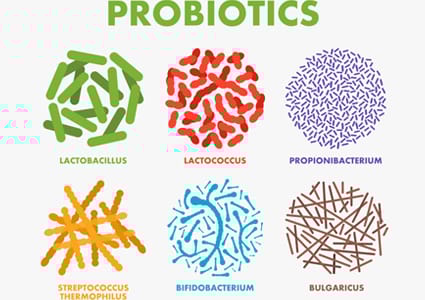
Probiotics: Mixed evidence. Some specific strains (Lactobacillus, Bifidobacterium) may reduce cold frequency and duration slightly in children and people under stress, but results are inconsistent. The effect is modest at best, and most commercial probiotics don't contain the studied strains at effective doses.
Oscillococcinum: This homeopathic remedy is literally sugar pills (diluted duck liver to the point of no active ingredient). Multiple trials show it performs no better than placebo. Pure marketing, zero pharmacology.
The bottom line: Stick with vitamin C, echinacea purpurea, and elderberry if you want evidence-based cold and flu supplements. Everything else is either unproven or definitively ineffective despite what the label claims.
Will A Book Grow Your Business?

No one buys a beach house from book sales—they buy it from what the book makes possible.
Author.Inc helps founders turn ideas into world-class books that build revenue, reputation, and reach.
Book a free 15-minute ROI call to see if your book is a go—or a smart wait.
Takeaways
Echinacea purpurea specifically (not generic echinacea) shows consistent benefits when using 2,400-3,000mg daily of aerial part extract started at first symptoms and continued for 7-10 days, reducing cold incidence by 10-20% and duration by 1-2 days.
Elderberry extract shows strong evidence for flu specifically, with 300-600mg taken 2-4 times daily within 48 hours of symptom onset reducing flu duration by 2-4 days by blocking viral attachment and replication.
Vitamin C works preventively, not therapeutically, requiring 1,000-2,000mg daily before and during illness to reduce cold duration by 8-14% and severity, but starting after you're already sick provides minimal benefit.
Feedback & Sponsorship
What'd you think of this week's newsletter? Hit reply to let us know. Did we crush it? Blow your mind? We read every response.
Want your brand in front of hundreds of thousands of readers? Contact us for sponsorship opportunities [email protected]
Want more where that came from? Head to our website
Stop Buying Expensive Probiotics

Stop getting ripped off by expensive probiotics that don't work.
Most probiotics are freeze-dried and have low probiotic counts.
Make trillions of live, health-enhancing probiotics up to 90% cheaper with the #1 yogurt maker in America.
It’s yours for just $71.95 with free lifetime warranty while supplies last.
Not evaluated by the FDA. This product isn’t meant to diagnose, treat, or cure.
Reply