- Aeviva
- Posts
- The Ancient Memory Tree: What Ginkgo Biloba Actually Does to Your Brain
The Ancient Memory Tree: What Ginkgo Biloba Actually Does to Your Brain
60 million prescriptions can't all be wrong, but the truth is more nuanced than the marketing
In partnership with

Estimated Read Time: 6 minutes
Ginkgo biloba has survived 270 million years, outlasted the dinosaurs, and even withstood the atomic bomb in Hiroshima.
Now it's one of the most prescribed supplements in Europe for memory and cognitive decline.
But does this ancient tree actually sharpen your mind, or is it just expensive false hope?
Today's Issue
Main Topic: The science-backed 30-day dopamine detox protocol to reset overstimulation
Main Topic: The science behind ginkgo biloba for memory, circulation, and brain health
Subtitles:
What ginkgo actually does in your brain (and bloodstream)
The memory claims: hype vs. reality
Who benefits most (and who's wasting their money)
Dosage, timing, and what to look for in supplements
Abstract: Ginkgo biloba is an ancient tree species whose leaves contain flavonoids and terpenoids that improve blood flow, act as antioxidants, and may protect neurons from damage.
While marketed primarily for memory enhancement, research shows ginkgo's effects are most significant in people with existing cognitive impairment or circulatory problems, not healthy young adults.
The supplement modestly improves cerebral blood flow, reduces oxidative stress, and may slow cognitive decline in early dementia, but evidence for enhancing normal memory is weak.
This newsletter examines the mechanisms, clinical evidence, appropriate use cases, and realistic expectations for ginkgo supplementation.
Introduction
Ginkgo biloba is the world's oldest living tree species, a literal living fossil that's remained virtually unchanged for 270 million years.
Traditional Chinese medicine has used ginkgo leaves for thousands of years to treat circulatory and respiratory conditions. Modern science got interested when researchers noticed ginkgo's effects on blood flow and antioxidant activity.
Today, it's prescribed over 60 million times annually in Europe for cognitive support. But here's the disconnect: while ginkgo shows promise for people with cognitive decline or circulation issues, the evidence for improving memory in healthy people is surprisingly weak.
Understanding who benefits and who doesn't requires looking at what ginkgo actually does at the cellular level and being honest about what the research really shows.
Learn Business Buying & Scaling In 3 Days

NOVEMBER 2-4 | AUSTIN, TX
At Main Street Over Wall Street 2025, you’ll learn the exact playbook we’ve used to help thousands of “normal” people find, fund, negotiate, and buy profitable businesses that cash flow.
Use code BHP500 to save $500 on your ticket today (this event WILL sell out).
Click here to get your ticket, see the speaker list, schedule, and more
1. What Ginkgo Actually Does in Your Brain 🧠🌿

Ginkgo biloba tree
Ginkgo biloba extract (standardized preparation from dried ginkgo leaves) contains two main groups of active compounds: flavonoids (antioxidants that neutralize free radicals) and terpenoids (particularly ginkgolides and bilobalide, which improve blood flow and protect neurons).
The primary mechanism is vasodilation (widening of blood vessels) and improved microcirculation (blood flow through small capillaries). Ginkgo increases nitric oxide production, which relaxes blood vessel walls and improves blood flow throughout the body, particularly to the brain and extremities.
This matters because your brain is metabolically demanding, using about 20% of your body's oxygen despite being only 2% of your body weight. Better blood flow means more oxygen and glucose delivery to brain cells, potentially improving cognitive function.
Ginkgo also acts as an antioxidant, protecting cells from oxidative damage. The brain is particularly vulnerable to oxidative stress because of its high metabolic rate and lipid-rich structure.
Free radicals (unstable molecules that damage cells) accumulate with age and contribute to cognitive decline.
💡 Fun Fact: Six ginkgo trees survived the atomic bombing of Hiroshima in 1945, within 1-2 kilometers of the blast center. They're still alive today, making ginkgo a symbol of resilience and longevity in Japan.
2. The Memory Claims: Hype vs. Reality 🔍📊
Here's where marketing diverges from science. Ginkgo is sold primarily as a memory enhancer for healthy people, but the research tells a more complicated story.
For healthy adults: The evidence is disappointing. Multiple large-scale studies show ginkgo provides minimal to no improvement in memory, attention, or processing speed in people without cognitive impairment.
For age-related cognitive decline: Here the evidence is more promising but still modest. Studies show ginkgo may slow cognitive decline in people with mild cognitive impairment (the stage between normal aging and dementia) or early Alzheimer's disease. Effects are small but measurable, roughly equivalent to delaying decline by 6-12 months.
For dementia and Alzheimer's: The largest trial, the GEM study with over 3,000 participants, found ginkgo did not prevent dementia in elderly adults. However, subgroup analyses suggest modest benefits for those already experiencing symptoms. European guidelines include ginkgo as an option for mild to moderate dementia, though it's not first-line treatment.

Population | Memory Effect | Evidence Quality | Clinical Significance |
|---|---|---|---|
Healthy young adults | None to minimal | Strong (multiple RCTs) | Not recommended |
Healthy elderly | Minimal | Moderate | Not recommended |
Mild cognitive impairment | Small positive | Moderate | May slow decline |
Early dementia | Small to moderate | Moderate | Worth considering |
💡 Pro Tip: If you're under 50 with no cognitive complaints, ginkgo is probably not worth your money. If you're over 65 and noticing memory changes, it might be worth a 3-month trial with realistic expectations of modest, not dramatic, effects.
3. Who Benefits Most 🎯💊
Based on research, ginkgo shows the most promise for four specific groups:
People with vascular-related cognitive issues: If your cognitive decline is related to reduced blood flow (vascular dementia, history of mini-strokes, circulatory problems), ginkgo's vasodilating effects are most relevant. Studies show 15-25% improvements in cognitive test scores in this population after 12-24 weeks of supplementation.
Those with tinnitus: Tinnitus (ringing in the ears) related to poor circulation may improve with ginkgo. Research is mixed, but some studies show modest improvements, particularly when tinnitus is recent-onset and circulation-related rather than noise-induced.
Elderly individuals with early memory complaints: If you're over 65 and noticing "senior moments" becoming more frequent, ginkgo may provide small protective effects by improving cerebral circulation and reducing oxidative damage. Don't expect dramatic improvements, but slowing decline is valuable.
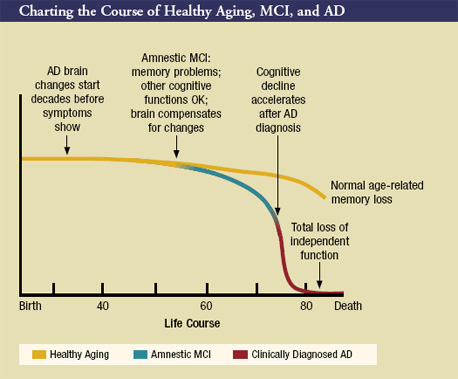
Cognitive decline with age
People with anxiety disorders: Emerging research suggests ginkgo may reduce anxiety symptoms, possibly through its effects on cortisol regulation and neurotransmitter balance. A 2014 study showed significant anxiety reduction in generalized anxiety disorder patients taking 240-480mg daily.
Who should avoid ginkgo:
People on blood thinners (warfarin, aspirin) due to increased bleeding risk
Those scheduled for surgery (stop ginkgo 2 weeks before)
People with bleeding disorders
Anyone on medications metabolized by certain liver enzymes (ginkgo can interact)
Pregnant or breastfeeding women (insufficient safety data)
4. Dosage, Timing, and What to Look for 💊⏰
If you decide to try ginkgo, proper dosing and quality matter significantly.
Standard dosage: 120-240mg daily of standardized extract, split into 2-3 doses.
Most clinical trials use 240mg daily. The extract should be standardized to contain 24% flavone glycosides and 6% terpene lactones (the active compounds).
Side effects: Generally mild but can include headache, dizziness, digestive upset, and allergic skin reactions. The bleeding risk is real though uncommon, avoid combining with other blood thinners without medical supervision.
💡 Fun Fact: Ginkgo trees can live over 1,000 years and grow up to 160 feet tall. The oldest known ginkgo is estimated to be 3,500 years old and still producing leaves in China.
Buying Cannabis Online Is Now Legal, And Incredibly Convenient

Thanks to changing laws buying THC online is now 100% federally legal.
And when it comes to quality, reliability and ultimate convenience, Mood is leading the way…
Because, instead of memorizing confusing strain names – you simply choose how you want to feel: Creative, Social, Focused, Relaxed, Happy, Aroused, and more.
Takeaways
Ginkgo improves cerebral blood flow and provides antioxidant protection, but benefits are most significant in people with existing circulation problems, mild cognitive impairment, or early dementia, not healthy young adults seeking memory enhancement.
Effective dosing requires 240mg daily of standardized extract (24% flavone glycosides, 6% terpene lactones) for minimum 12 weeks, and quality matters dramatically, choose pharmaceutical-grade products with third-party testing to ensure you're getting actual active compounds.
Realistic expectations prevent disappointment: ginkgo may slow cognitive decline by 6-12 months or provide subtle improvements in word recall and focus for appropriate populations, but won't dramatically enhance normal memory or create superhuman cognitive abilities.
Feedback & Sponsorship
What'd you think of this week's newsletter? Hit reply to let us know. Did we crush it? Blow your mind? We read every response.
Want your brand in front of hundreds of thousands of readers? Contact us for sponsorship opportunities [email protected]
Want more where that came from? Head to our website
Stop Buying Expensive Probiotics

Stop getting ripped off by expensive probiotics that don't work.
Most probiotics are freeze-dried and have low probiotic counts.
Make trillions of live, health-enhancing probiotics up to 90% cheaper with the #1 yogurt maker in America.
It’s yours for just $71.95 with free lifetime warranty while supplies last.
Not evaluated by the FDA. This product isn’t meant to diagnose, treat, or cure.
Reply