- Aeviva
- Posts
- The 30-Day Dopamine Reset: Why Your Brain Needs a Factory Restart
The 30-Day Dopamine Reset: Why Your Brain Needs a Factory Restart
Modern life turned your reward system against you, here's how to reclaim it
Sponsored by

Estimated Read Time: 6 minutes
You scroll for hours but remember nothing.
You binge shows but feel emptier afterward.
Your brain's reward system has been hijacked by algorithms designed to keep you clicking, and passive rest won't fix it.

Today's Issue
Main Topic: The science-backed 30-day dopamine detox protocol to reset overstimulation
Subtitles:
The cheap dopamine epidemic destroying flow states
Why boredom is actually the gateway to clarity
The six-step protocol that reverses overstimulation
What happens when you eliminate digital dopamine hits
Abstract: Dopamine detox is a structured period of eliminating high-stimulation, low-effort activities (social media, streaming, junk food, porn, gambling) to reset the brain's reward threshold and restore sensitivity to natural pleasures.
Chronic overstimulation raises the baseline for what feels rewarding, making normal activities feel boring and destroying the capacity for flow states.
This newsletter outlines a 30-day protocol combining elimination of dopamine-spiking behaviors, daily movement, resistance training, clean eating, meaningful project work, and nightly reflection to restore natural dopamine sensitivity, mental clarity, and the ability to experience deep satisfaction from everyday life.
Introduction

Dopamine Structure
Your brain operates on a salience network, whatever provides the most dopamine becomes the most important.
This is a survival feature that's become a massive liability. Modern technology has figured out how to deliver massive dopamine hits with zero effort. Social media, streaming, junk food, porn, gambling, they all spike your reward system far beyond what natural activities can provide.
The problem? Your brain adapts. The baseline for what feels rewarding keeps rising, making everything else feel boring by comparison. A walk outside, a conversation, building something meaningful, these can't compete with the artificial superstimuli in your pocket. A dopamine detox isn't about becoming a monk.
It's about periodically resetting your reward threshold so life can feel enjoyable again.
A W-2, a Laundromat Owner, & a Billionaire Walk Into a Room…

NOVEMBER 2-4 | AUSTIN, TX
At Main Street Over Wall Street 2025, you’ll learn the exact playbook we’ve used to help thousands of “normal” people find, fund, negotiate, and buy profitable businesses that cash flow.
Use code BHP500 to save $500 on your ticket today (this event WILL sell out).
Click here to get your ticket, see the speaker list, schedule, and more.
1. The Cheap Dopamine Epidemic Destroying Flow States 🎯⚡
Dopamine (a neurotransmitter that signals reward and motivation) isn't just about pleasure. It's about salience, what your brain considers important enough to pay attention to. When cheap dopamine sources flood your system constantly, your brain recalibrates.
Normal activities that should feel satisfying, cooking a meal, reading a book, having a conversation, can't compete with the supernormal stimuli of modern entertainment.
Research shows that people who spend more than 3 hours daily on social media report 60% higher rates of anhedonia (inability to feel pleasure from normally enjoyable activities) compared to moderate users.
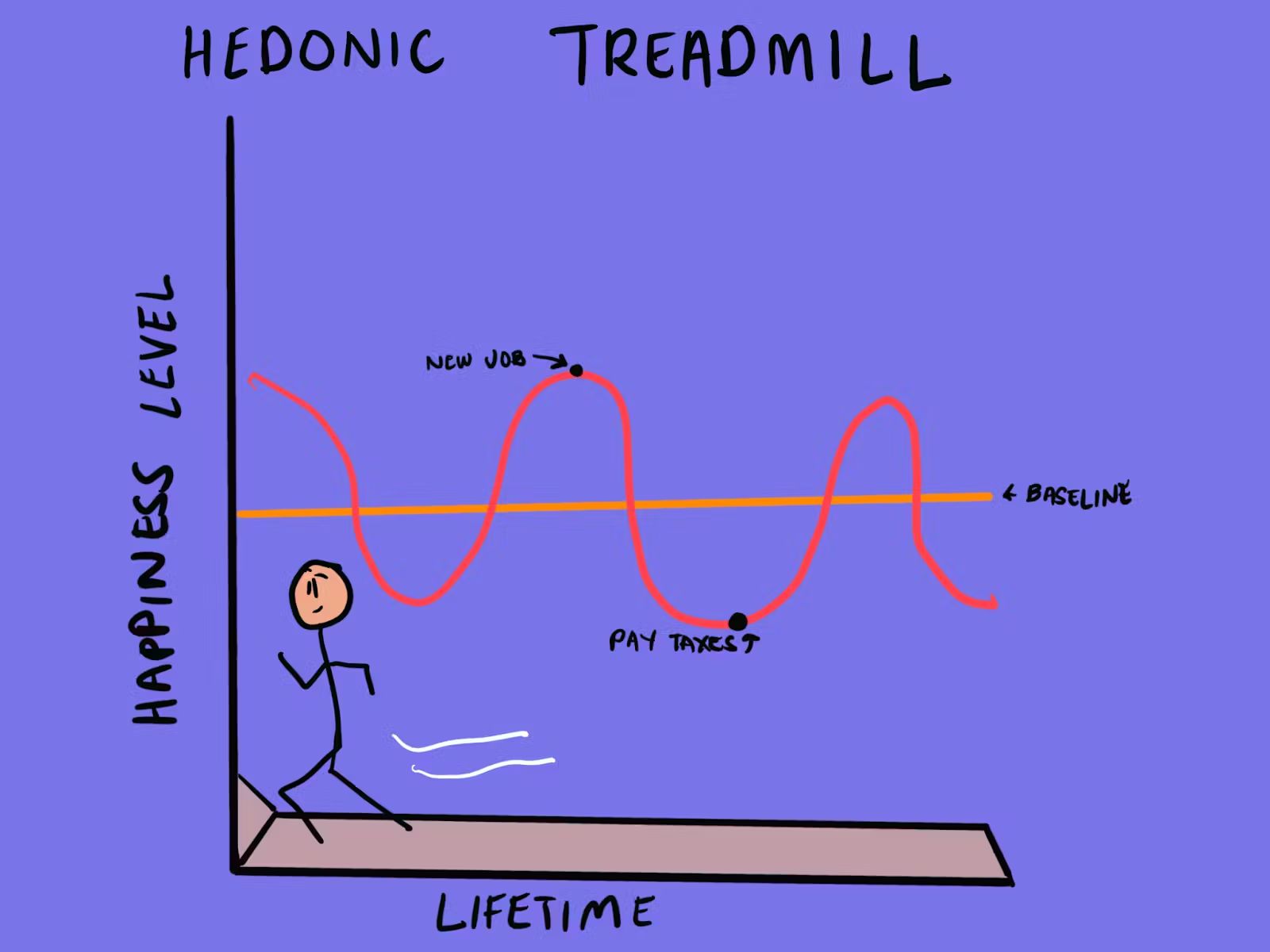
The modern world creates what's called hedonic adaptation (your psychological thermostat that adjusts to new pleasure baselines). Each experience becomes your new normal, requiring more intense stimulation to achieve the same emotional response. You're on a hedonic treadmill, always running toward the next hit but never feeling satisfied.
💡 Fun Fact: The term "dopamine detox" is technically a misnomer since you can't actually detox from dopamine, but the concept of reducing overstimulation to restore baseline sensitivity is neurologically sound.
2. Why Boredom Is Actually the Gateway to Clarity 🧘🔓
Sitting with boredom feels unbearable at first because you've trained your brain to never experience it. The moment discomfort arises, you reach for your phone. Sounds familiar, right?
This habit prevents something crucial: emergence (the spontaneous arising of insights and clarity from unstructured thinking time).
Psychologist Carl Jung emphasized the importance of confronting uncomfortable aspects of ourselves we typically avoid. Boredom does exactly this. When you stop filling every moment with stimulation, suppressed thoughts, feelings, and desires surface.
Three things happen when you embrace boredom:
First, breakthrough insights emerge when your rational mind stops trying to solve everything. Your Default Mode Network (the brain system active during rest that processes experiences and generates insights) only activates when you're not focused on external stimuli. This is why solutions pop into your head in the shower or on walks.
Second, authentic desires reveal themselves. When you strip away external conditioning and dopamine-seeking behaviors, what remains is what you actually want, not what algorithms or social pressure have trained you to want.
Third, flow triggers activate. Boredom creates deep embodiment (being present with discomfort), forces novelty-seeking (your brain searches for new, healthier stimulation), and introduces unpredictability (not knowing what will emerge from the void). These are conditions that make flow states more accessible.
💡 Pro Tip: The first 3-7 days of a dopamine detox are the hardest. Your brain is literally experiencing withdrawal from overstimulation. Push through this phase, clarity arrives around day 10-14.

Social Media Dopamine
3. The Dopamine Detox Protocol 📋🔄
This isn't about becoming an ascetic. It's about developing sovereignty (the capacity to choose consciously rather than react compulsively). A periodic 30-day reset every 6-12 months keeps your reward system calibrated.
Step 1: Create Your Pain and Gain Story
Before starting, you need emotional fuel. Create two visceral narratives: where your life ends up if nothing changes (pain story), and who you become if you commit to change (gain story). Write these in detail. Make them specific and emotional. This shifts identity, which is the only foundation for lasting behavior change.
Step 2: Eliminate the Big Four for 30 Days
Remove these completely:
Binge tech: Social media, streaming, gaming, endless news consumption
Artificial sexual stimulation: Porn, dating apps used compulsively
Consumables: Alcohol, drugs, junk food, anything with added sugars
Thrill-seeking: Gambling, impulsive shopping, extreme sensation-seeking
What do you do instead? What non-addicted people do. Move your body. Prepare real food. Talk to humans face-to-face. Learn something. Build something. And when you're not doing those things, sit with the discomfort until it transforms into clarity.
Eliminated Behavior | Dopamine Spike | Replacement Activity | Natural Dopamine |
|---|---|---|---|
Social media scrolling | Very high, instant | Reading, journaling | Moderate, sustained |
Streaming binges | High, passive | Walking, conversations | Low-moderate, meaningful |
Junk food | High, chemical | Whole foods, cooking | Moderate, satisfying |
Gaming/gambling | Very high, variable | Building real projects | High, earned |
Step 3: Walk 10,000 Steps Daily
The sweet spot is actually 7,000-8,000 steps for most health benefits, but 10,000 is a memorable target. Walk 20 minutes after each meal (breakfast, lunch, dinner). This gives you morning light (resets circadian rhythm), aids digestion, stabilizes blood sugar, provides thinking time, and generates ideas for your work.
Step 4: Resistance Training 3-4x Weekly
BDNF (brain-derived neurotrophic factor, a protein that supports neuroplasticity) increases significantly with exercise. Strength training specifically provides 30+ minutes of steady dopamine release, triggers flow states, lowers disease risk, increases metabolic rate, and builds confidence. You feel and look better, which creates a positive feedback loop.
4. What Happens When You Eliminate Digital Dopamine Hits 🔋✨
The transformation follows a predictable pattern.
Days 1-7 (Withdrawal Phase): You feel restless, irritable, bored. Your brain is screaming for its usual dopamine sources. You'll think about checking your phone constantly. You might feel anxious or unfocused. This is normal, you're experiencing actual withdrawal as your dopamine receptors begin adjusting.
Days 8-14 (Stabilization Phase): The acute discomfort fades. You notice subtle pleasures more, food tastes better, conversations feel more engaging, you're present instead of constantly thinking about scrolling. Sleep improves. Morning clarity increases.
Days 15-21 (Emergence Phase): This is where the magic happens. Insights start flowing. You have ideas you've been too distracted to notice. Problems you've been avoiding surface, and solutions appear. You feel motivated to build or create something meaningful. Dopamine receptors upregulate (increase in number and sensitivity), making natural rewards feel satisfying again.
Days 22-30 (Integration Phase): The new baseline feels normal. Simple activities are genuinely enjoyable. You have sustained focus for deep work. You experience what Buddhists call beginner's mind (seeing things with fresh, unfiltered perception). Life feels electric again, colors seem brighter, experiences richer.
Studies on digital detoxes show that participants report 23% improvements in sleep quality, 31% reductions in anxiety, and 40% increases in life satisfaction after just 21 days of eliminating social media and streaming.
💡 Fun Fact: Darwin worked in focused blocks, then took long walks where his brain processed problems in the background. This alternating pattern between focused work and diffuse thinking is when breakthrough insights occur, but only if you're not filling the "rest" time with digital stimulation.
Buying Cannabis Online Is Now Legal, And Incredibly Convenient

Thanks to changing laws buying THC online is now 100% federally legal.
And when it comes to quality, reliability and ultimate convenience, Mood is leading the way…
Because, instead of memorizing confusing strain names – you simply choose how you want to feel: Creative, Social, Focused, Relaxed, Happy, Aroused, and more.
Takeaways
Overstimulation raises your dopamine threshold, making normal activities feel boring because your brain has adapted to artificial superstimuli (social media, streaming, junk food, porn) that spike reward far beyond natural levels, destroying your capacity for flow states and deep satisfaction.
The 30-day protocol eliminates cheap dopamine sources (binge tech, artificial sexual stimulation, consumables, thrill-seeking) while replacing them with earned dopamine activities (10,000 daily steps, resistance training 3-4x weekly, elimination diet, meaningful project work, nightly reflection).
Real transformation occurs in weeks 3-4 as dopamine receptors upregulate and sensitivity returns, making simple pleasures genuinely enjoyable again, insights emerge from boredom, and life regains the electric quality of beginner's mind that overstimulation had dulled.
Feedback & Sponsorship
What'd you think of this week's newsletter? Hit reply to let us know. Did we crush it? Blow your mind? We read every response.
Want your brand in front of hundreds of thousands of readers? Contact us for sponsorship opportunities [email protected]
Want more where that came from? Head to our website
Seeking impartial news? Meet 1440.
Every day, 3.5 million readers turn to 1440 for their factual news. We sift through 100+ sources to bring you a complete summary of politics, global events, business, and culture, all in a brief 5-minute email. Enjoy an impartial news experience.
Reply