- Aeviva
- Posts
- Why Rest Isn't Enough to Heal Your Burnout
Why Rest Isn't Enough to Heal Your Burnout
A vacation won't fix what chronic stress broke at the cellular level
In partnership with

Estimated Read Time: 6 minutes
You took the week off. You slept in. You did nothing.
And yet, two days back at work, you feel exactly like you did before you left.
That's because burnout isn't fatigue, it's physiological damage that rest alone can't repair.
Today's Issue
Main Topic: Why burnout requires active recovery, not just passive rest
Subtitles:
What burnout actually is (hint: it's not just being tired)
The HPA axis dysfunction that rest can't reset
Why your mitochondria are exhausted
Active recovery: what actually rebuilds resilience
The 90-day protocol that reverses burnout
Abstract: Burnout is a state of chronic physiological and psychological exhaustion caused by prolonged stress that disrupts the hypothalamic-pituitary-adrenal (HPA) axis, impairs mitochondrial function, depletes neurotransmitters, and creates systemic inflammation. Unlike simple fatigue, burnout involves biological dysregulation that passive rest doesn't address. This newsletter explains the mechanisms behind burnout at the cellular level and outlines evidence-based active recovery strategies including HPA axis regulation through circadian rhythm optimization, mitochondrial support through specific nutrients, nervous system retraining, and structured re-engagement that rebuilds stress tolerance rather than avoiding stress entirely.
Introduction
Burnout has become a cultural buzzword, thrown around whenever someone feels tired. But real burnout is different from exhaustion.
It's a state where your stress response system has been pushed so hard for so long that it fundamentally breaks.
Your body stops producing stress hormones efficiently. Your cells can't generate energy properly. Your brain loses the ability to regulate emotions. A weekend at the beach or even a two-week vacation provides temporary relief, but it doesn't repair the underlying biological damage.
Understanding why requires looking at what chronic stress does to your nervous system, hormones, and cellular energy production. Only then does it become clear why active, strategic recovery is necessary.
Buying Cannabis Online Is Now Legal, And Incredibly Convenient

Thanks to changing laws buying THC online is now 100% federally legal.
And when it comes to quality, reliability and ultimate convenience, Mood is leading the way…
Because, instead of memorizing confusing strain names – you simply choose how you want to feel: Creative, Social, Focused, Relaxed, Happy, Aroused, and more.
1. What Burnout Actually Is 🔥🧠
Burnout (a state of emotional, physical, and mental exhaustion caused by excessive and prolonged stress) has three core components: overwhelming exhaustion, cynicism or detachment, and reduced effectiveness. But these psychological symptoms reflect deeper physiological breakdowns.
When you experience stress, your HPA axis (hypothalamic-pituitary-adrenal axis, your body's central stress response system) releases cortisol to help you cope. In acute stress, this is adaptive.
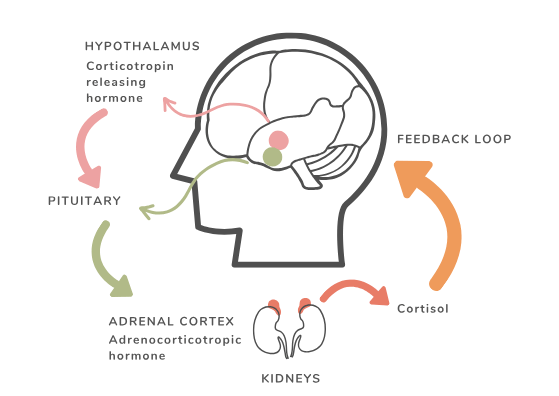
HPA axis
But chronic activation without recovery causes the HPA axis to dysregulate. Eventually, cortisol production becomes erratic, either stuck too high (wired and tired) or crashing too low (total depletion).
Burnout also involves neurotransmitter reduction. Chronic stress drains dopamine (motivation), serotonin (mood stability), and norepinephrine (alertness). You're not just tired, your brain literally can't produce the chemicals needed for enthusiasm, focus, or emotional resilience.
The inflammation component matters too. Prolonged stress increases inflammatory cytokines (immune signaling molecules) that cause neuroinflammation (inflammation in the brain), contributing to brain fog, mood disorders, and that feeling of cognitive heaviness that won't lift.
💡 Fun Fact: The term "burnout" was coined in 1974 by psychologist Herbert Freudenberger, who observed it in healthcare workers. It's now recognized by the WHO as an occupational phenomenon, though not yet classified as a medical condition.
2. The HPA Axis Dysfunction That Rest Can't Reset ⚡🔄
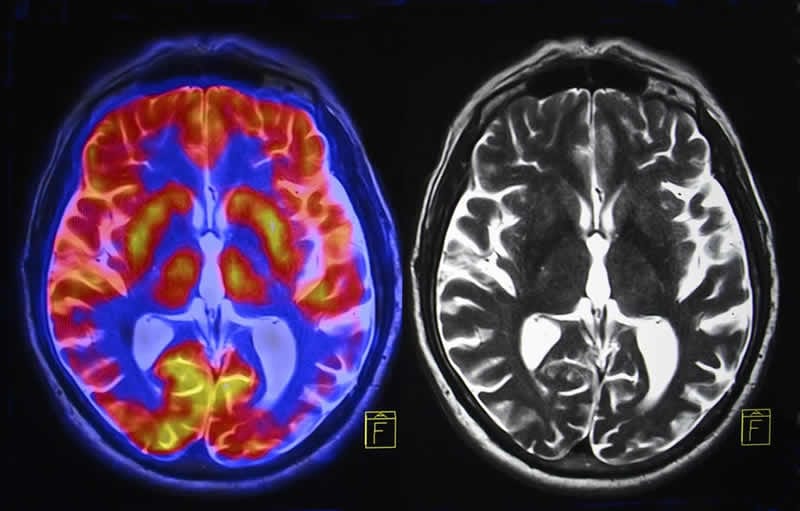
Brain Changes with Burnout
Your HPA axis is supposed to respond to stress, then return to baseline. In burnout, it loses this flexibility. Think of it like a rubber band that's been stretched too long, it won't snap back to its original shape.
HPA axis dysfunction manifests in three patterns.
Stage 1 (early burnout): cortisol stays elevated all day and night, you're wired, anxious, can't sleep despite exhaustion.
Stage 2 (mid-burnout): cortisol is high during the day but crashes at specific times, causing energy rollercoasters.
Stage 3 (late burnout): cortisol production is blunted throughout the day, you feel flatlined, no energy reserves, total apathy.
Lying on a beach doesn't restore HPA axis responsiveness. The system needs retraining through specific interventions.
Circadian rhythm optimization is critical, consistent wake times, morning light exposure within 30 minutes of waking, and strict sleep schedules help recalibrate the axis.
Adaptogenic herbs like ashwagandha and rhodiola support HPA axis regulation, not by forcing cortisol up or down, but by improving flexibility.
Nervous system retraining through practices like heart rate variability (HRV) biofeedback, breath work, or vagal nerve stimulation teaches your body to shift between stress and rest states again. This is active work, not passive rest.
Recovery Method | Addresses HPA Dysfunction | Passive or Active | Time to Effect |
|---|---|---|---|
Weekend rest | Temporarily | Passive | Hours |
2-week vacation | Minimally | Passive | Days |
Circadian optimization | Yes | Active | 2-4 weeks |
Adaptogenic support | Yes | Active | 4-8 weeks |
Nervous system retraining | Yes | Active | 6-12 weeks |
3. Why Your Mitochondria Are Exhausted 🔋⚠️
Mitochondria (the organelles in cells that produce energy in the form of ATP) are your cellular power plants. Chronic stress damages them through oxidative stress, reducing their efficiency and number. This is why people with burnout describe feeling exhausted "at a cellular level," because they literally are.
Mitochondrial recovery requires specific nutrients. Coenzyme Q10 (CoQ10) is essential for electron transport in energy production.
Magnesium is involved in over 300 enzymatic reactions including ATP synthesis.
B vitamins, particularly B2, B3, and B12, are cofactors in energy metabolism. Alpha-lipoic acid protects mitochondria from oxidative damage.
Cold exposure and exercise, counterintuitively, stimulate mitochondrial biogenesis (the creation of new mitochondria). But this must be introduced gradually. In severe burnout, intense exercise worsens the problem. Start with gentle movement (walking, yoga, swimming) and build slowly.
💡 Pro Tip: Red light therapy (670-850nm wavelength) has shown promise in stimulating mitochondrial function and reducing inflammation. Studies show improvements in cellular energy production with 10-20 minute daily sessions.
4. Active Recovery: What Actually Rebuilds Resilience 💪🔧
Sleep architecture matters more than duration. Eight hours of fragmented sleep doesn't restore like seven hours of deep, uninterrupted sleep.
Focus on sleep hygiene (practices that promote consistent, quality sleep): dark room, cool temperature (65-68°F), no screens 1-2 hours before bed, consistent schedule even on weekends.

Social connection is biological medicine. Isolation during burnout recovery is common but harmful. Safe social interactions activate the vagal nerve (part of the parasympathetic "rest and digest" system), lowering stress hormones and promoting recovery.
This doesn't mean forced socializing, it means quality connection with people who don't drain you.
Cognitive reframing and boundaries are non-negotiable. Burnout often stems from chronic boundary violations, saying yes when you mean no, overcommitting, sacrificing needs for others. Recovery requires actively practicing boundaries and challenging the beliefs that drove you to burnout ("my worth depends on productivity," "rest is lazy").
5. The 90-Day Protocol That Reverses Burnout 📅✨
Burnout recovery follows a predictable timeline when approached systematically. Expect 90 days minimum for significant improvement, with full recovery taking 6-12 months depending on severity.
Weeks 1-4 (Stabilization Phase): Focus on basic physiology. Non-negotiable 8-9 hours sleep. Three meals daily with adequate protein. No alcohol or caffeine after 2pm. Daily 20-minute walk in morning sunlight. Begin adaptogenic supplementation (ashwagandha 300-600mg, rhodiola 200-400mg). Reduce commitments ruthlessly, this is triage, not normal life.
Weeks 5-8 (Repair Phase): Add mitochondrial support (CoQ10 100-200mg, magnesium glycinate 400mg, B-complex). Introduce gentle resistance training 2x weekly. Practice daily breathwork or meditation (even 5 minutes). Begin therapy or coaching to address burnout drivers. Track HRV to monitor nervous system recovery.
Weeks 9-12 (Rebuilding Phase): Gradually increase activity and responsibility. Practice stress inoculation, small, manageable challenges that build resilience without overwhelming. Continue all Phase 1 and 2 interventions. Evaluate what caused burnout and make structural life changes to prevent recurrence.
Studies show that comprehensive burnout interventions combining lifestyle changes, supplements, therapy, and boundary work reduce burnout scores by 40-60% within 12 weeks, with sustained improvements at 6-month follow-up.
Key interventions by phase:
Sleep optimization and circadian alignment
Adaptogenic herbs for HPA axis support
Mitochondrial-supporting nutrients
Gentle, parasympathetic-activating movement
Therapeutic support for underlying drivers
Boundary setting and life structure changes
💡 Fun Fact: Research on sabbaticals shows that benefits peak around 6-8 weeks, after which gains plateau. This suggests the brain and body need substantial time to truly recover from chronic stress, not just days or even weeks.
Transform Your Bedroom Fun With Legal THC Gummies

Imagine feeling every touch magnified, every kiss electrified, and every encounter intensified beyond what you ever thought possible.
Every. Single. Time.
Made from 100% federally legal THC and delivered quickly and discreetly to your door within days, Mood’s strawberries & cream flavored Sexual Euphoria THC gummies can help ignite your bedroom fun starting in just 15 minutes flat…
Because they’re made with nano-emulsion (rapid-onset) technology, they “kick in” within 15 minutes – transforming ordinary encounters into extraordinary sensual adventures.
The secret? A pleasure-amplifying combination of THC and time-tested botanicals designed to work for ALL bodies (not just men).
“These do what they claim! Ask my hubby. I don’t think he will let me run out of these gems. And they taste really good.” – Deanne D.
Best of all, they arrive in unmarked packaging that won't raise eyebrows – your under-the-sheets activity remains your delicious secret (unless you choose to share it).
Takeaways
Burnout is biological damage, not simple fatigue: It involves HPA axis dysfunction, mitochondrial impairment, neurotransmitter depletion, and neuroinflammation that passive rest doesn't repair, requiring active interventions targeting each affected system.
Recovery requires 90+ days of systematic intervention: Focus on circadian optimization, adaptogenic support, mitochondrial nutrients (CoQ10, magnesium, B vitamins), gentle movement, and nervous system retraining through breathwork or HRV biofeedback.
Preventing recurrence demands structural change: Healing your physiology is necessary but insufficient if you return to the same conditions, boundaries, work patterns, and beliefs that caused burnout must fundamentally change to sustain recovery long-term.
Feedback & Sponsorship
What'd you think of this week's newsletter? Hit reply to let us know. Did we crush it? Blow your mind? We read every response.
Want your brand in front of hundreds of thousands of readers? Contact us for sponsorship opportunities [email protected]
Want more where that came from? Head to our website
Make Trillions of Probiotics at Home

Get the #1 Probiotic Yogurt Maker in America.
Stop wasting money on expensive probiotics that don't work.
It's easy to make trillions of live probiotics to support healthy digestion, weight, and energy.
Enjoy your own creamy, rich homemade probiotic yogurt.
Not evaluated by the FDA. This product isn’t meant to diagnose, treat, or cure.
Reply