- Aeviva
- Posts
- Beyond Ozempic: 3 Natural Supplements That Actually Impact Blood Sugar and Appetite
Beyond Ozempic: 3 Natural Supplements That Actually Impact Blood Sugar and Appetite
They won't replace medication, but the science shows they work through similar pathways

In partnership with

Estimated Read Time: 7 minutes
Ozempic made headlines for dramatic weight loss, but it comes with a $1,000 monthly price tag and potential side effects.
What if your body could produce similar metabolic effects naturally?
Three supplements are showing promise in mimicking some of Ozempic's mechanisms, and the research is surprisingly solid.
Today's Issue
Main Topic: Three evidence-based supplements that work through pathways similar to GLP-1 medications
Subtitles:
How Ozempic actually works (understanding the mechanism matters)
Berberine: the plant compound that rivals metformin
Inositol: the blood sugar stabilizer nobody talks about
Gymnema Sylvestre: the sugar blocker with appetite control
Abstract: Ozempic and similar GLP-1 medications work by mimicking a natural hormone that regulates blood sugar and appetite.
While no supplement fully replicates these effects, three compounds show evidence of working through similar metabolic pathways:
Berberine activates AMPK to improve insulin sensitivity, Inositol enhances insulin signaling and reduces cravings, and Gymnema Sylvestre blocks sugar absorption while potentially supporting GLP-1 production.
This newsletter examines the science behind each supplement, appropriate dosing, safety considerations, and realistic expectations for blood sugar control and weight management.
Introduction
Ozempic and similar medications have revolutionized weight loss and diabetes management by targeting GLP-1 (glucagon-like peptide-1, a hormone that regulates blood sugar and appetite).
They work, but they're expensive, require prescriptions, and can cause significant gastrointestinal side effects. The question isn't whether natural supplements can completely replace pharmaceutical GLP-1 agonists, they can't. But certain compounds do influence overlapping metabolic pathways, improving insulin sensitivity, stabilizing blood sugar, and reducing appetite through different mechanisms.
These three supplements have the strongest evidence and work best as part of a comprehensive approach to metabolic health.
Buying Cannabis Online Is Now Legal, And Incredibly Convenient

Thanks to changing laws buying THC online is now 100% federally legal.
And when it comes to quality, reliability and ultimate convenience, Mood is leading the way…
Because, instead of memorizing confusing strain names – you simply choose how you want to feel: Creative, Social, Focused, Relaxed, Happy, Aroused, and more.
How Ozempic Actually Works 💉

Mechanism of GLP-1
Understanding what Ozempic does helps explain why certain supplements might offer partial benefits. GLP-1 agonists (medications that mimic the GLP-1 hormone) work through multiple mechanisms simultaneously.
First, they slow gastric emptying, meaning food stays in your stomach longer, creating prolonged fullness.
Second, they signal the pancreas to release insulin when blood sugar rises, improving glucose control.
Third, they suppress glucagon, a hormone that raises blood sugar. Fourth, and perhaps most importantly, they act on brain receptors that regulate appetite and food reward, literally changing how much you want to eat.
Clinical trials show Ozempic users lose an average of 12-15% of body weight over 68 weeks, primarily through dramatic appetite suppression. The weight loss is real, but so are the side effects: nausea, vomiting, diarrhea, and potential thyroid concerns.
Natural supplements don't replicate all these effects, but they can influence blood sugar regulation, insulin sensitivity, and appetite through complementary pathways. Think of them as supporting actors, not replacements.
💡 Fun Fact: Your body naturally produces GLP-1 after eating, especially from protein and fiber-rich foods. The hormone only lasts minutes before breaking down, which is why pharmaceutical versions are engineered to last much longer.
1. Berberine: The Plant Compound That Rivals Metformin 🌿⚡
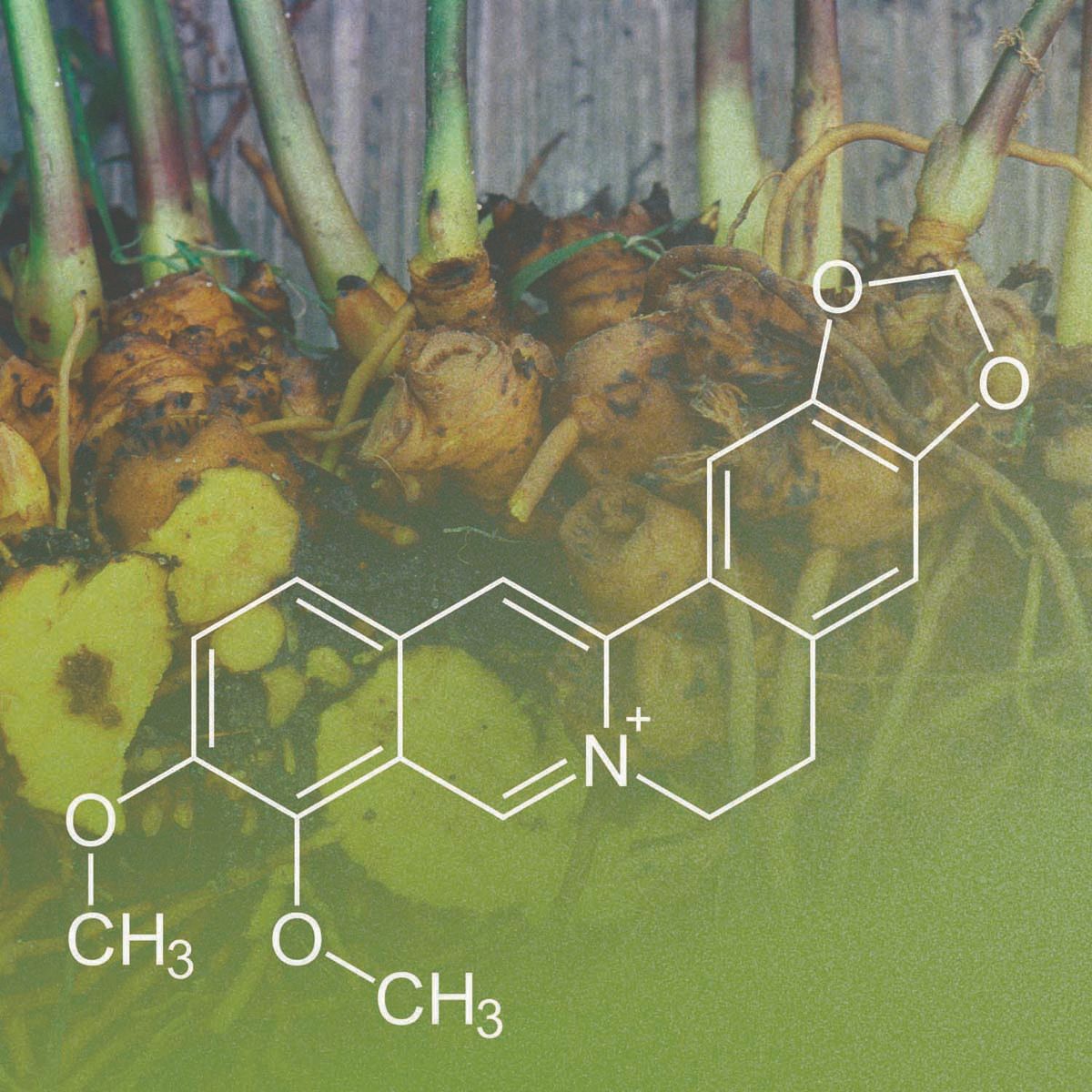
Biberine
Berberine is an alkaloid extracted from several plants including goldenseal and barberry. It's been used in traditional Chinese medicine for centuries, but modern research reveals why it works.
Berberine activates AMPK (AMP-activated protein kinase, often called the body's metabolic master switch). When AMPK is activated, your cells become more sensitive to insulin, glucose uptake improves, and fat burning increases. This is the same pathway metformin, the most common diabetes medication, uses.
Berberine also influences gut bacteria, promoting beneficial strains that support metabolic health and reducing inflammation in the digestive tract.
Dosage: 500mg taken 2-3 times daily with meals (total 1,000-1,500mg daily). Taking it with food improves absorption and reduces gastrointestinal discomfort.
Safety notes: Can interact with medications metabolized by the liver. May cause digestive upset initially. Not recommended during pregnancy. Consult a doctor if taking diabetes medications as it can lower blood sugar significantly.
Effect | Berberine | Metformin | Ozempic |
|---|---|---|---|
Fasting blood sugar reduction | 15-20% | 20-25% | 25-30% |
Weight loss (12 weeks) | 4-6 lbs | 2-4 lbs | 10-15 lbs |
Insulin sensitivity | Improves | Improves | Improves |
Appetite suppression | Minimal | Minimal | Strong |
2. Inositol: The Blood Sugar Stabilizer Nobody Talks About 🔄💊
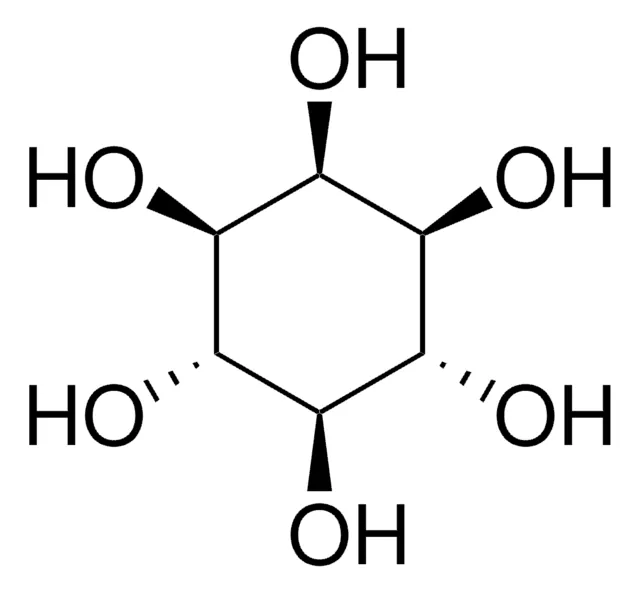
Insoitol Structure
Inositol, particularly myo-inositol, is a compound similar to B vitamins that plays a crucial role in insulin signaling. It's naturally found in fruits, beans, and grains, but therapeutic doses require supplementation.
Inositol improves how your cells respond to insulin, meaning glucose enters cells more efficiently instead of staying elevated in the bloodstream. It's especially effective for people with insulin resistance (when cells don't respond properly to insulin) or PCOS, where insulin dysfunction drives weight gain and metabolic issues.
Research shows inositol reduces fasting insulin levels, improves glucose tolerance, and decreases sugar cravings. A 2016 study found that women with PCOS taking inositol lost an average of 6 pounds over 6 months while improving metabolic markers, even without dietary changes.
Dosage: 2,000-4,000mg of myo-inositol daily, often split into two doses. Some formulas combine it with D-chiro-inositol in a 40:1 ratio, which may enhance metabolic benefits.
💡 Pro Tip: Inositol works synergistically with berberine. Some practitioners recommend taking both together for enhanced insulin sensitivity and blood sugar control.
3. Gymnema Sylvestre: The Sugar Blocker with Appetite Control 🍃🚫
Gymnema Sylvestre is an herb from India with a fascinating property: it temporarily blocks sweet taste receptors on your tongue. Chew a leaf and sugar tastes like sand for about an hour. But its benefits go far beyond this party trick.

Gymnemic acids (the active compounds in Gymnema) block sugar absorption in the intestines, reducing how much glucose enters your bloodstream after eating carbohydrates. They also appear to support pancreatic function, potentially helping beta cells produce insulin more effectively.
Some emerging research suggests Gymnema may stimulate GLP-1 production naturally, though this mechanism needs more study. What's clear is that it reduces post-meal blood sugar spikes and helps control appetite, particularly for sugary foods.
Dosage: 400-600mg of standardized extract (containing 25% gymnemic acids) taken 30 minutes before meals, particularly before carbohydrate-heavy meals.
Safety notes: Generally safe but can lower blood sugar significantly. Not recommended with diabetes medications without medical supervision. May reduce absorption of some nutrients if taken long-term at very high doses.
💡 Fun Fact: The Hindi name for Gymnema Sylvestre is "gurmar," which literally translates to "sugar destroyer," a testament to its traditional use for managing sweet cravings and blood sugar.
Realistic expectations:
These supplements work best combined with dietary changes and exercise
Effects are modest compared to pharmaceutical GLP-1 agonists
Blood sugar improvements appear within 2-4 weeks
Weight loss, if any, ranges from 4-8 pounds over 3 months
They support metabolic health but won't override poor lifestyle habits

Proton Mail gives you a clutter-free space to read your newsletters — no tracking, no spam, no tabs.
Takeaways
Berberine activates AMPK to improve insulin sensitivity and lower blood sugar by 15-20%, rivaling metformin's effects but requiring proper dosing (1,000-1,500mg daily split with meals) and medical supervision if taking diabetes medications.
Inositol enhances insulin signaling and reduces cravings, particularly effective for insulin resistance and PCOS, with typical doses of 2,000-4,000mg daily producing modest weight loss and improved metabolic markers over 3-6 months.
These supplements support metabolic health but don't replace GLP-1 medications, they work best as part of comprehensive lifestyle changes including diet, exercise, and stress management, not as standalone solutions for significant weight loss.
Feedback & Sponsorship
What'd you think of this week's newsletter? Hit reply to let us know. Did we crush it? Blow your mind? We read every response.
Want your brand in front of hundreds of thousands of readers? Contact us for sponsorship opportunities [email protected]
Want more where that came from? Head to our website
Trusted by millions. Actually enjoyed by them too.

Most business news feels like homework. Morning Brew feels like a cheat sheet. Quick hits on business, tech, and finance—sharp enough to make sense, snappy enough to make you smile.
Try the newsletter for free and see why it’s the go-to for over 4 million professionals every morning.
Reply