- Aeviva
- Posts
- Menopause Isn't an Ending: It's a Metabolic Shift That Demands Your Attention
Menopause Isn't an Ending: It's a Metabolic Shift That Demands Your Attention
Your body isn't breaking down, it's reorganizing. Here's what actually needs to change.

In partnership with

Estimated Read Time: 6 minutes
Menopause gets reduced to hot flashes and mood swings in most conversations.
But what's actually happening is a complete metabolic recalibration that affects your bones, brain, heart, and hormones.
Understanding the shift is the first step to thriving through it, not just surviving it.

Today's Issue
Main Topic: What happens during menopause and the critical health markers women need to monitor
Subtitles:
The hormone shift: what's actually changing beyond estrogen
Bone density crisis: why osteoporosis risk skyrockets
Cardiovascular health: the protection you're losing
Metabolism and body composition: why weight gain feels inevitable
Brain fog and mental health: the neurological transition nobody talks about
Abstract: Menopause is the permanent end of menstruation, typically occurring between ages 45-55, marking a dramatic shift in hormone production that affects multiple body systems.
This newsletter explains the physiological changes during menopause, including estrogen and progesterone decline, and outlines the critical health areas women must monitor: bone density for osteoporosis prevention, cardiovascular health as heart disease risk increases, metabolic changes affecting weight and insulin sensitivity, and neurological effects impacting cognition and mood.
We'll cover what tests to request and what lifestyle adjustments matter most.
Introduction
Meno is a natural biological transition that every woman with ovaries will experience.
But natural doesn't mean easy or risk-free. When estrogen and progesterone production drops dramatically, it triggers a cascade of changes affecting nearly every system in your body.
Your bones lose density faster. Your cardiovascular risk jumps. Your metabolism slows. Your brain chemistry shifts.
Most women enter this phase without understanding what's coming or what they should be monitoring.
That needs to change, because the decisions you make during perimenopause and early menopause significantly impact your health for the next 30-40 years.
Transform Your Bedroom Fun With Legal THC Gummies

Imagine every touch magnified, every kiss electrified, every encounter intensified.
Made from 100% federally legal, rapid-onset THC, time-tested botanicals, and delivered quickly and discreetly to your door, Mood’s Sexual Euphoria THC gummies can help ignite your bedroom fun starting in just 15 minutes…
Transforming ordinary encounters into extraordinary between-the-sheets adventures.
1. The Hormone Shift: What's Actually Changing Beyond Estrogen 🔄💊
Menopause officially begins 12 months after your final period, but the transition, called perimenopause (the years leading up to menopause when hormones fluctuate erratically), can last 4-10 years. This is when symptoms often feel most chaotic.
Estrogen doesn't just control reproduction, it influences over 400 functions in your body. It regulates body temperature (hence hot flashes), protects bone density, supports cardiovascular health, maintains vaginal and urinary tract tissue, influences mood and cognition, and affects skin elasticity and collagen production.
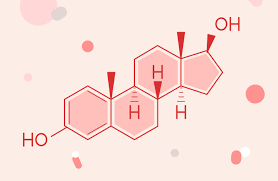
Estrogen - an important hormone during menopause
Progesterone also declines, which affects sleep quality, mood stability, and the balance with estrogen. When progesterone drops first during perimenopause, you might experience heavier periods, anxiety, and insomnia even before menstruation stops completely.
Testosterone also decreases, though more gradually. This affects libido, muscle mass, energy levels, and motivation. Many women report feeling less driven or experiencing reduced sexual desire, which is hormonally driven, not psychological.
💡 Fun Fact: The average age of menopause is 51, but it can occur naturally anywhere between 40-58. Factors like smoking, certain medications, and genetics can influence timing.
2. Bone Density Crisis: Why Osteoporosis Risk Skyrockets 🦴⚠️
This is the silent danger of menopause. Estrogen protects bone density by regulating osteoclasts (cells that break down bone) and osteoblasts (cells that build new bone).
When estrogen drops, bone breakdown accelerates while bone formation slows.
Women can lose up to 20% of their bone density in the 5-7 years following menopause. This dramatically increases the risk of osteoporosis (a condition where bones become brittle and fragile) and fractures, particularly in the spine, hips, and wrists.
What you need to monitor:
Get a DEXA scan (bone density test) at menopause onset and every 2 years after
Check vitamin D levels (should be 40-60 ng/mL for optimal bone health)
Assess calcium intake and absorption
Evaluate fracture risk using the FRAX calculator
Monitor parathyroid hormone if bone loss is rapid

Action steps: Weight-bearing exercise (walking, strength training) is non-negotiable. Aim for 1,200mg calcium daily from food sources, supplement vitamin D if deficient, and consider discussing bone-protective medications with your doctor if your DEXA scan shows concerning results.
3. Cardiovascular Health: The Protection You're Losing ❤️🚨
Before menopause, women have lower heart disease risk than men of the same age. Estrogen protects your cardiovascular system by keeping blood vessels flexible, maintaining healthy cholesterol ratios, and reducing inflammation.
After menopause, that protection vanishes.
Post-menopausal women see increases in LDL cholesterol (the "bad" kind), decreases in HDL cholesterol (the "good" kind), and higher triglycerides. Blood pressure often rises.
Arterial stiffness increases. Within 10 years after menopause, women's heart disease risk equals men's.
Health Marker | Pre-Menopause | Post-Menopause | Why It Matters |
|---|---|---|---|
Heart disease risk | Lower than men | Equal to men | Loss of estrogen protection |
LDL cholesterol | Typically lower | Increases 10-15% | Arterial plaque buildup |
Blood pressure | Generally stable | Often increases | Vascular stiffness |
Inflammation markers | Lower | Elevated | Cardiovascular damage |
What you need to monitor:
Annual lipid panel (total cholesterol, LDL, HDL, triglycerides)
Blood pressure checks every 3-6 months
Fasting glucose and HbA1c (diabetes risk increases)
hs-CRP (high-sensitivity C-reactive protein, an inflammation marker)
Consider coronary calcium scan if you have multiple risk factors
💡 Pro Tip: This is the time to get serious about Mediterranean-style eating. The anti-inflammatory diet rich in omega-3s, fiber, and antioxidants can significantly reduce cardiovascular risk even after estrogen protection is gone.
4. Metabolism and Body Composition: Why Weight Gain Feels Inevitable ⚖️🔥
Many women gain 10-15 pounds during the menopausal transition, even without changing eating or exercise habits.
This isn't laziness, it's biology. Estrogen influences how and where your body stores fat.
With less estrogen, fat shifts from hips and thighs to the abdomen, creating more visceral fat (fat stored around organs, which is metabolically dangerous).
Your basal metabolic rate (calories burned at rest) also decreases by 200-300 calories per day due to muscle loss and hormonal changes.
Muscle mass naturally declines without intervention, and muscle is metabolically active tissue that burns calories even when you're resting.
Insulin sensitivity decreases, meaning your body doesn't handle carbohydrates as efficiently. Blood sugar spikes become more common, and the risk of developing type 2 diabetes increases significantly.
What you need to monitor:
Body composition analysis (not just weight, but muscle vs. fat percentage)
Waist circumference (should be under 35 inches for women)
Fasting insulin and glucose
Thyroid function (TSH, Free T3, Free T4)
Action steps: Increase protein intake to 1.2-1.6g per kg of body weight to preserve muscle. Add strength training 2-3 times weekly (this is more important than cardio now). Consider time-restricted eating or reducing refined carbohydrates to improve insulin sensitivity.
5. Brain Fog and Mental Health: The Neurological Transition Nobody Talks About 🧠

Up to 60% of menopausal women report cognitive changes, particularly memory problems, difficulty concentrating, and brain fog (a feeling of mental cloudiness or confusion). This isn't imagination, estrogen receptors exist throughout the brain, particularly in areas controlling memory and executive function.
Estrogen supports neurotransmitter production (particularly serotonin and dopamine), protects neurons from damage, and maintains myelin (the protective coating around nerve cells). When estrogen drops, these functions are compromised.
Mood changes are common. The risk of depression doubles during the menopausal transition. Anxiety, irritability, and emotional volatility often worsen during perimenopause when hormone levels fluctuate wildly rather than declining steadily.
Sleep disruption from night sweats and hormonal changes creates a vicious cycle, poor sleep worsens cognitive function and mood, which increases stress, which further disrupts sleep.
💡 Fun Fact: Brain fog during menopause is temporary for most women. Cognitive function typically stabilizes 1-2 years post-menopause as the brain adapts to the new hormonal baseline.
Trusted by millions. Actually enjoyed by them too.

Most business news feels like homework. Morning Brew feels like a cheat sheet. Quick hits on business, tech, and finance—sharp enough to make sense, snappy enough to make you smile.
Try the newsletter for free and see why it’s the go-to for over 4 million professionals every morning.
Takeaways
Menopause triggers dramatic changes in bone density, cardiovascular risk, metabolism, and brain function, requiring proactive monitoring of DEXA scans, lipid panels, blood pressure, body composition, and cognitive health starting at perimenopause onset.
Strength training and protein intake become non-negotiable after menopause to preserve muscle mass, maintain metabolic rate, protect bone density, and prevent the shift to visceral fat storage that increases disease risk.
Work with your doctor to create a monitoring schedule that includes bone density every 2 years, annual cardiovascular markers, thyroid function, and nutrient levels (vitamin D, B12, omega-3), allowing you to catch and address changes early rather than reactively treating disease later.
Feedback & Sponsorship
What'd you think of this week's newsletter? Hit reply to let us know. Did we crush it? Blow your mind? We read every response.
Want your brand in front of hundreds of thousands of readers? Contact us for sponsorship opportunities [email protected]
Want more where that came from? Head to our website
Buying Cannabis Online Is Now Legal, And Incredibly Convenient

Thanks to changing laws buying THC online is now 100% federally legal.
And when it comes to quality, reliability and ultimate convenience, Mood is leading the way…
Because, instead of memorizing confusing strain names – you simply choose how you want to feel: Creative, Social, Focused, Relaxed, Happy, Aroused, and more.
Reply