- Aeviva
- Posts
- The Processed Food Trap: What Your Body Actually Does With That "Convenient" Meal
The Processed Food Trap: What Your Body Actually Does With That "Convenient" Meal
It's not just empty calories, it's a biological hijacking
In partnership with

Estimated Read Time: 7 minutes

That boxed mac and cheese takes 8 minutes to make. Your body takes 8 hours to recover from it.
We've been told processed food is "bad for you" so many times it's become background noise.
But what if you knew exactly what happens inside your body from the first bite to the last consequence?
Today's Issue
Main Topic: The biological breakdown of what processed foods do to your body and brain
Subtitles:
What "processed" actually means (and why it matters more than you think)
The blood sugar rollercoaster: why you're hungry an hour later
Your gut microbiome under siege: the invisible damage
Brain fog, mood swings, and the dopamine hijack
The inflammation time bomb: how processed foods age you faster
Abstract: Processed foods aren't just nutritionally inferior, they actively disrupt your body's natural systems.
This newsletter breaks down the specific biological mechanisms behind why processed foods cause blood sugar chaos, gut dysbiosis, chronic inflammation, and cognitive decline.
We'll examine what happens from digestion to cellular damage, explaining the science behind cravings, energy crashes, and long-term health consequences in plain English.roprotection, though most studies remain preclinical with limited human trials.
Introduction
You already know processed food isn't ideal.
But "not ideal" doesn't capture what's actually happening. When you eat ultra-processed foods, your body doesn't just miss out on nutrients, it actively fights a biological battle.
Your blood sugar spikes and crashes. Your gut bacteria die off. Your brain gets flooded with artificial reward signals. And your cells slowly marinate in inflammation.
This isn't about guilt or perfection, it's about understanding the mechanism so you can make informed choices.
1. What "Processed" Actually Means 🏭🔬
Not all processing is evil. Freezing vegetables is processing. So is grinding wheat into flour. The problem is ultra-processed foods (products made mostly from substances extracted from foods, like oils, fats, sugar, starch, and protein isolates).
The NOVA classification system (a food grouping framework based on processing level) puts foods into four categories. Ultra-processed foods, Group 4, typically contain five or more ingredients and include substances never used in home cooking like high-fructose corn syrup, hydrogenated oils, and artificial flavors.
Why does this matter? Because these foods are designed to bypass your natural satiety signals. They're hyperpalatable (unnaturally rewarding to your taste buds), meaning they trigger pleasure responses stronger than whole foods ever could.
💡 Fun Fact: The average American gets 58% of their daily calories from ultra-processed foods, more than any other country in the world.
2. The Blood Sugar Rollercoaster: Why You're Hungry an Hour Later 🎢🍬
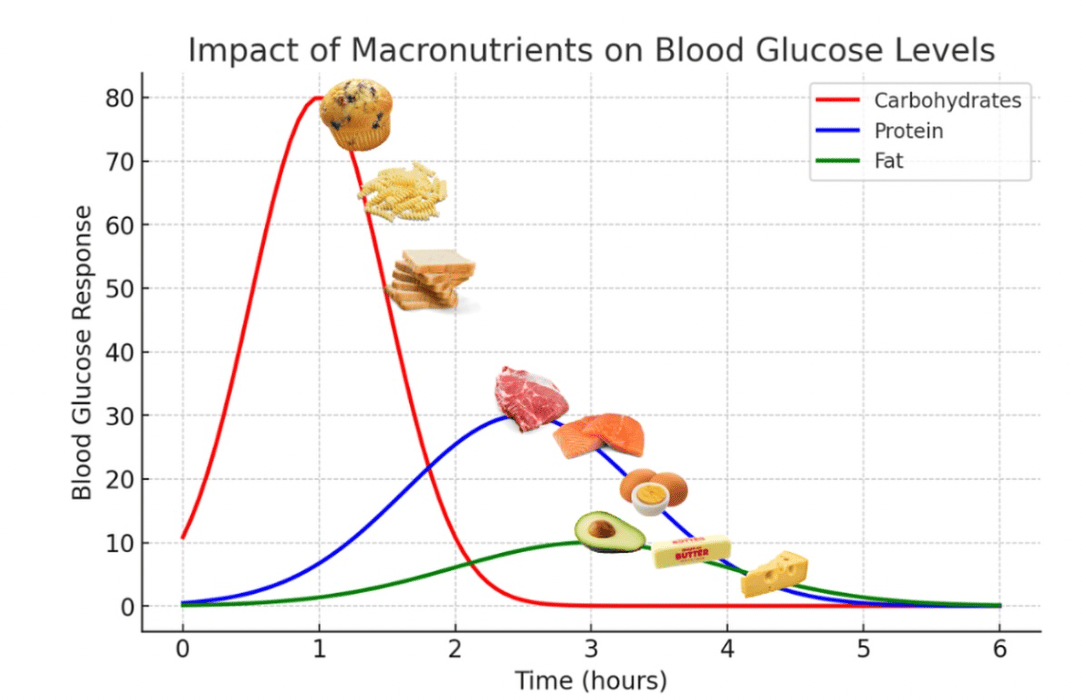
Glucose Spike in different Food Categories
Here's what happens when you eat that processed breakfast pastry. Within minutes, the refined carbohydrates (carbs stripped of fiber and nutrients) flood your bloodstream as glucose. Your pancreas panics and dumps insulin to clear the sugar.
But here's the problem. Whole foods release sugar slowly because fiber acts as a buffer. Processed foods have no buffer.
You get a massive sugar spike, followed by an equally massive insulin response, followed by a crash that leaves you tired, irritable, and craving more sugar within an hour.
This cycle repeats all day. Spike, crash, crave, repeat. Over time, your cells become insulin resistant (they stop responding to insulin properly), which is the path to prediabetes, type 2 diabetes, and metabolic syndrome.
What makes it worse? Processed foods often combine sugar with fat in ratios that don't exist in nature. This combination is uniquely addictive and bypasses your brain's "I've had enough" signals.
Food Type | Blood Sugar Spike | Hunger Returns | Insulin Response |
|---|---|---|---|
Ultra-processed (white bread, cereal) | High, rapid | 1-2 hours | Excessive |
Minimally processed (oatmeal) | Moderate, steady | 3-4 hours | Balanced |
Whole foods (vegetables, protein) | Low, gradual | 4-6 hours | Minimal |
3. Your Gut Microbiome Under Siege: The Invisible Damage 🦠💔
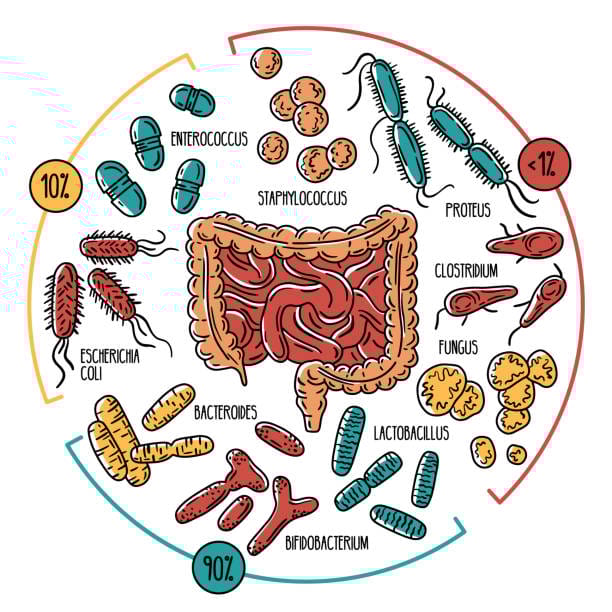
Gut Microbiome
Your gut contains trillions of bacteria that digest food, produce vitamins, regulate immunity, and even influence your mood. Processed foods systematically destroy this ecosystem.
Emulsifiers (chemicals that keep oil and water mixed, like polysorbate 80) are found in ice cream, salad dressings, and baked goods. Research shows they damage the mucus layer protecting your gut lining, leading to inflammation and leaky gut (when the intestinal barrier becomes permeable, allowing toxins into the bloodstream).
Artificial sweeteners kill beneficial bacteria while allowing harmful strains to thrive. Studies show people who regularly consume diet sodas have gut profiles similar to those with metabolic disease.
Processed foods also lack prebiotics (the fiber that feeds good bacteria). Without fiber, your beneficial bacteria starve. The harmful bacteria that thrive on sugar and chemicals take over. This imbalance, called dysbiosis (disruption of the gut microbial community), is linked to obesity, depression, autoimmune conditions, and digestive disorders.
💡 Pro Tip: It takes just 3-4 days of eating whole foods for your gut bacteria to start shifting toward healthier populations. The damage is reversible.
Signs your gut microbiome is struggling:
Constant bloating or digestive discomfort
Frequent cravings for sugar and processed foods
Brain fog or difficulty concentrating
Mood swings or increased anxiety
Weakened immune system (frequent colds)
4. Brain Fog, Mood Swings, and the Dopamine Hijack 🧠⚡
Processed foods don't just affect your body, they rewire your brain. The combination of sugar, salt, and fat triggers a massive dopamine (the "reward" neurotransmitter) release, similar to addictive drugs but in a milder form.
Over time, your brain adapts. You need more processed food to get the same pleasure response. Whole foods start tasting bland because your reward system has been recalibrated to expect hyperpalatable flavors.
The cognitive effects are real. Research shows diets high in ultra-processed foods are associated with faster cognitive decline and increased risk of dementia. Why? Inflammation reaches your brain through the bloodstream, damaging neurons and impairing memory formation.
The blood sugar crashes we discussed earlier cause irritability, anxiety, and difficulty focusing. Your brain runs on glucose, but it needs a steady supply. The spike-crash cycle leaves your brain energy-starved for hours at a time.
Why do you feel foggy after a fast-food meal? Your body is diverting blood and energy toward digestion and damage control, leaving less for your brain.
5. The Inflammation Time Bomb: How Processed Foods Age You Faster 🔥⏰
Here's the invisible danger. Every time you eat ultra-processed foods, you trigger low-grade chronic inflammation (sustained activation of your immune system). Unlike acute inflammation from an injury, this inflammation never fully resolves.
Trans fats (partially hydrogenated oils found in many packaged baked goods and fried foods) directly damage cell membranes and promote inflammatory molecules. Even though they're being phased out, many processed foods still contain them.
Advanced glycation end products (AGEs) (harmful compounds formed when proteins or fats combine with sugar at high heat) accumulate in processed and fried foods. These AGEs damage collagen in your skin, stiffen your blood vessels, and accelerate aging at the cellular level.
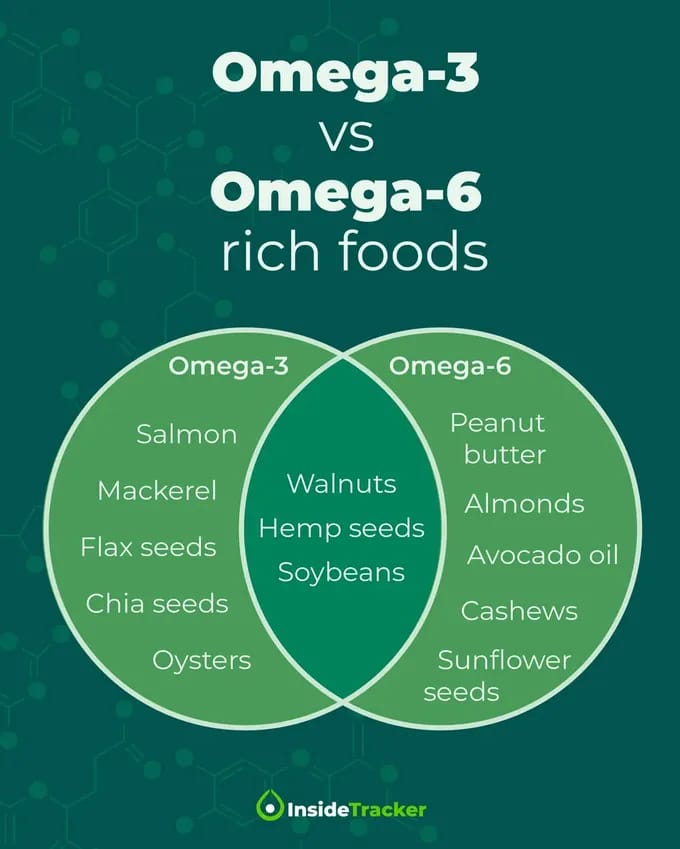
The omega-6 to omega-3 ratio in processed foods is completely out of balance. Most contain excessive omega-6 fatty acids from vegetable oils, which promote inflammation, while lacking anti-inflammatory omega-3s.
Your body is constantly trying to repair the damage, but when processed foods are eaten daily, the repair process never catches up. It's like trying to bail water out of a boat while someone keeps pouring more in.
💡 Fun Fact: Processed meats like hot dogs, bacon, and deli meat are classified as Group 1 carcinogens by the WHO, the same category as tobacco and asbestos.
Conclusion
"What we're seeing in metabolic research is alarming. Ultra-processed foods don't just lack nutrition, they actively dysregulate fundamental biological systems.
The gut-brain axis disruption, the inflammatory cascade, the insulin resistance, these aren't separate issues, they're interconnected consequences of feeding our bodies substances they weren't designed to process.
The most concerning aspect is the speed at which damage accumulates, we're seeing metabolic dysfunction in children that used to take decades to develop. The good news? The body has remarkable healing capacity.
I've watched patients reverse years of damage within months of dietary intervention. It's never too late to stop the cascade."
Prof. Alessandra Romano, Specialist in Nutritional Biochemistry
Buying Cannabis Online Is Now Legal, And Incredibly Convenient

For years, buying cannabis meant taking a trip to a dispensary, dealing with long lines, limited selection, and inconsistent pricing. But thanks to changing laws and innovative online retailers, buying high-quality THC products is now 100% federally legal—and more convenient than ever.
And when it comes to quality and reliability, Mood is leading the way…
Because they’ve completely flipped the script on cannabis shopping. Instead of memorizing hundreds of confusing strain names – like “Gorilla Glue” and "Purple Monkey Breath" – you simply choose how you want to feel: Creative, Social, Focused, Relaxed, Happy, Aroused, and more.
Each gummy is formulated with the perfect blend of Delta-9 THC and botanicals to deliver the perfect mood.
Want a great night’s sleep? Try the Sleepytime gummies. Need laser focus Mind Magic gummies have you covered. Hotter sex? Try the Sexual Euphoria gummies.
It's cannabis shopping that actually makes sense for “normal” people.
Takeaways
Processed foods hijack your biology: They spike blood sugar, destroy gut bacteria, trigger inflammation, and rewire your brain's reward system, all simultaneously.
Read labels ruthlessly: If a product has more than five ingredients or contains words you don't recognize, your body probably doesn't recognize them either.
The 80/20 rule works: You don't need perfection. Eating whole foods 80% of the time gives your body enough recovery time to handle occasional processed foods without long-term damage.
Feedback & Sponsorship
What'd you think of this week's newsletter? Hit reply to let us know. Did we crush it? Blow your mind? We read every response.
Want your brand in front of hundreds of thousands of readers? Contact us for sponsorship opportunities [email protected]
Want more where that came from? Head to our website
Reply