- Aeviva
- Posts
- Methylene Blue: The Century-Old Dye with Mysterious Brain Benefits
Methylene Blue: The Century-Old Dye with Mysterious Brain Benefits
How a synthetic blue dye is gaining attention for cognitive enhancement and cellular energy support
In partnership with

Abstract
Methylene blue, originally synthesized in 1876 as a textile dye, demonstrates promising effects on mitochondrial function and cognitive performance.
The compound acts as an electron carrier in cellular energy production at low doses.
Preliminary research suggests benefits for memory formation and neuroprotection, though most studies remain preclinical with limited human trials.
Transform Your Bedroom Fun With Legal THC Gummies

Imagine every touch magnified, every kiss electrified, every encounter intensified.
Made from 100% federally legal, rapid-onset THC, time-tested botanicals, and delivered quickly and discreetly to your door, Mood’s Sexual Euphoria THC gummies can help ignite your bedroom fun starting in just 15 minutes…
Transforming ordinary encounters into extraordinary between-the-sheets adventures.
Methylene Blue

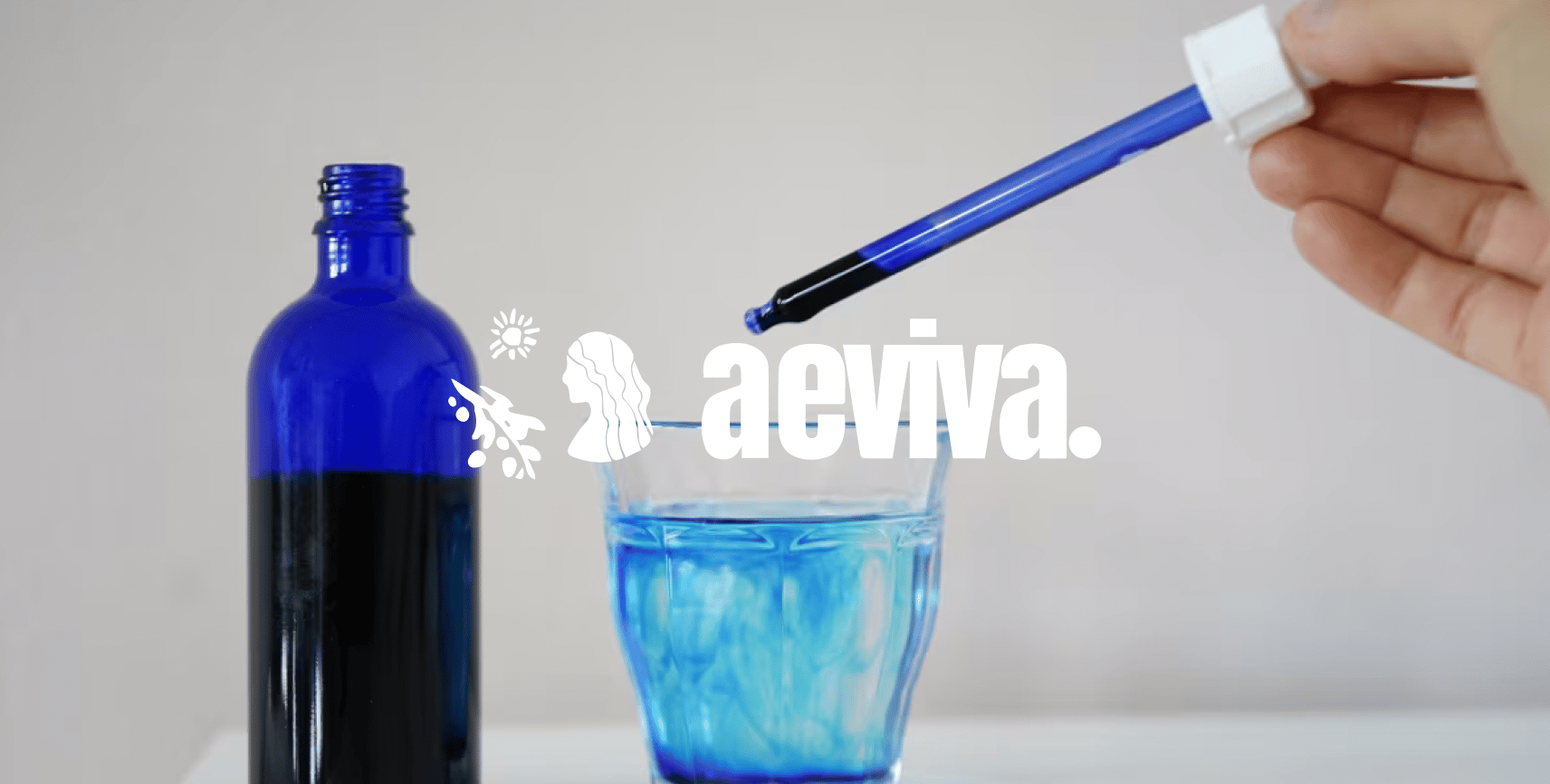
Methylene blue has existed for nearly 150 years, originally created as a blue dye for textiles. Today, this synthetic compound is experiencing renewed interest as researchers discover its potential effects on brain function and cellular energy 💙.
The substance represents one of the oldest synthetic drugs still in medical use, approved for treating a rare blood disorder.
What makes it fascinating is how a simple dye molecule can influence mitochondrial function and cognitive performance 🧠.
Understanding methylene blue's mechanisms reveals why researchers are exploring its potential for cognitive enhancement and healthy aging.
How It Works in Your Cells
Methylene blue functions as an electron carrier in mitochondria, the cellular powerhouses that produce energy.
At very low doses (0.5-4 mg per kilogram), it can accept and donate electrons in the energy production chain ⚡.
This electron shuttling may help bypass damaged parts of mitochondrial machinery, potentially improving cellular energy output. The mechanism differs from traditional antioxidants because methylene blue can switch between oxidized and reduced forms repeatedly 🔄.
Fun Fact: Methylene blue was the first fully synthetic drug ever used in medicine, predating aspirin by over 20 years and marking the birth of pharmaceutical chemistry.
Brain and Cognitive Research

Several small studies suggest methylene blue may enhance short-term memory and attention in healthy adults 🧠.
A 2016 study found that low doses improved memory retrieval during cognitive testing.
The compound crosses the blood-brain barrier easily, allowing direct effects on brain tissue. Researchers theorize benefits stem from improved brain cell energy metabolism and neuroprotective effects 💡.
Research Area | Findings | Study Type | Evidence Quality |
|---|---|---|---|
Memory enhancement | Improved recall | Small human trials | Preliminary |
Mitochondrial function | Increased efficiency | Animal studies | Moderate |
Neuroprotection | Reduced oxidative stress | Cell culture | Early stage |
Cognitive aging | Potential benefits | Animal models | Limited |
Medical Uses and Applications
Methylene blue remains an approved treatment for methemoglobinemia, a condition where blood cannot carry oxygen properly 🩸. It's also used in surgical procedures as a tissue dye to identify structures.
The compound has been studied for treating malaria and remains part of protocols in some regions.
Some physicians prescribe it off-label for urinary tract infections, though evidence remains limited 💊.
Critical Safety Concerns
Methylene blue poses dangerous interactions with antidepressants (SSRIs and MAO inhibitors), potentially causing life-threatening serotonin syndrome ⚠️. This condition involves confusion, rapid heart rate, and in severe cases, seizures.

People with G6PD deficiency should never take methylene blue as it can trigger severe anemia. The substance exhibits a narrow therapeutic window where low doses help but high doses harm 🚨.
The compound temporarily turns urine and sometimes skin blue-green, which is generally harmless but can be alarming.
Conclusion
Methylene blue represents a fascinating intersection of old medicine and new research 🔬.
While preliminary evidence suggests cognitive and mitochondrial benefits, significant safety concerns and limited human data warrant caution.
The compound's long medical history provides some reassurance, but supplemental use differs from acute medical treatment 💊.
Further research may clarify its potential role in cognitive enhancement and healthy aging.
Transform Your Bedroom Fun With Legal THC Gummies

Imagine feeling every touch magnified, every kiss electrified, and every encounter intensified beyond what you ever thought possible.
Every. Single. Time.
Made from 100% federally legal THC and delivered quickly and discreetly to your door within days, Mood’s strawberries & cream flavored Sexual Euphoria THC gummies can help ignite your bedroom fun starting in just 15 minutes flat…
Because they’re made with nano-emulsion (rapid-onset) technology, they “kick in” within 15 minutes – transforming ordinary encounters into extraordinary sensual adventures.
The secret? A pleasure-amplifying combination of THC and time-tested botanicals designed to work for ALL bodies (not just men).
“These do what they claim! Ask my hubby. I don’t think he will let me run out of these gems. And they taste really good.” – Deanne D.
Best of all, they arrive in unmarked packaging that won't raise eyebrows – your under-the-sheets activity remains your delicious secret (unless you choose to share it).
Take-Home Summary
Methylene blue is a 150-year-old dye now studied for cognitive and mitochondrial benefits
Low doses act as electron carriers improving cellular energy production in preliminary research
Dangerous interactions with common antidepressants can cause life-threatening serotonin syndrome
G6PD deficiency makes the compound extremely dangerous, potentially causing severe anemia
Most evidence comes from animal studies with limited human trials requiring replication
Medical supervision essential due to narrow therapeutic window and complex drug interactions
Reply