- Aeviva
- Posts
- You know the word “antioxidant” but do you know the science behind it and the key ones that protect your health?
You know the word “antioxidant” but do you know the science behind it and the key ones that protect your health?
The simple chemistry behind antioxidant activity and which ones pack the most protective power

Abstract
Antioxidant activity involves neutralizing free radicals (unstable molecules) that damage cells through oxidative stress.
Free radicals are natural byproducts of cellular metabolism that become harmful when they accumulate faster than the body can neutralize them. Antioxidants donate electrons to stabilize free radicals without becoming harmful themselves. Astaxanthin demonstrates the highest antioxidant potency, being 6000 times more powerful than vitamin C.
Endogenous antioxidants like glutathione and superoxide dismutase provide primary cellular protection, while dietary antioxidants offer supplementary support.
Unmatched Quality. Proven Results. Momentous Creatine.

Momentous Creatine delivers Creapure®—the purest, pharmaceutical-grade creatine from Germany—supporting strength, recovery, and cognitive performance. NSF Certified for Sport® and free of fillers or artificial additives, it’s trusted by professional athletes, Olympians, and the military’s top performers.
Head to livemomentous.com and use code HIVE for up to 35% off your first order.
What Antioxidants Actually Do in Your Body

You've heard that antioxidants are good for you, but what do they actually do inside your body? The answer involves some simple chemistry that explains why these compounds are so important for health and aging.
Antioxidants are essentially your body's cleanup crew 🧹. They neutralize harmful molecules called free radicals that constantly form inside your cells and can cause significant damage if left unchecked.
Understanding this process helps explain why certain foods are considered superfoods and why your body produces its own powerful antioxidant systems to stay healthy 🛡️.
The Chemistry of Cellular Damage
What Are Free Radicals Free radicals are molecules with unpaired electrons, making them extremely unstable and reactive ⚡. Think of electrons like dance partners - they prefer to be in pairs. When a molecule has an unpaired electron, it desperately seeks to steal an electron from another molecule to become stable.
This electron-stealing process is called oxidation, the same chemical reaction that causes metal to rust or apples to turn brown 🍎. Inside your body, this process can damage cell membranes, DNA, proteins, and other vital cellular components.
Where Free Radicals Come From Your body naturally produces free radicals during normal metabolism - the process of converting food into energy 🔥. Every time your cells burn glucose for fuel, free radicals form as byproducts. This is completely normal and unavoidable.
External sources also increase free radical production including pollution, cigarette smoke, UV radiation, processed foods, and excessive exercise 🚗. Stress, infections, and inflammation also trigger additional free radical formation.
Fun Fact: You produce about 2-4 pounds of free radicals every year just from normal cellular metabolism, which explains why your body has evolved sophisticated antioxidant defense systems.

How Antioxidants Work
The Electron Donation Process Antioxidants are generous electron donors 💝. They can give up an electron to a free radical without becoming dangerous themselves. This neutralizes the free radical, stopping its destructive chain reaction.
What makes antioxidants special is their molecular structure allows them to remain stable even after losing an electron 🔗. They don't become new free radicals that need to steal electrons from other molecules.
Chain Reaction Prevention Without antioxidants, one free radical can damage a molecule, which then becomes a free radical itself, creating a destructive chain reaction 🔄. A single free radical could theoretically damage thousands of molecules. Antioxidants break these chain reactions by neutralizing free radicals before they can cause widespread damage.
Different Types Work in Different Places Water-soluble antioxidants (like vitamin C) work in the watery parts of cells 💧. Fat-soluble antioxidants (like vitamin E) protect fatty cell membranes and tissues. This is why you need various types of antioxidants for complete protection.
Why Your Body Needs Antioxidant Protection
Cellular Damage Accumulation Oxidative stress occurs when free radical production exceeds your body's antioxidant capacity 📊. This imbalance leads to cellular damage that accumulates over time, contributing to aging, disease, and decreased function.
DNA Protection Free radicals can damage your genetic material, potentially leading to mutations that cause cancer or premature aging 🧬. Antioxidants help protect DNA integrity and support proper cellular repair processes.
Inflammation Reduction Chronic inflammation produces massive amounts of free radicals 🔥. Antioxidants help reduce this inflammatory burden, supporting immune function and preventing inflammatory diseases.
Energy Production Support Mitochondria (your cellular power plants) produce the most free radicals because they're constantly burning fuel for energy ⚡. Antioxidants protect these vital structures, maintaining efficient energy production throughout life.
Body System | Free Radical Damage | Antioxidant Protection |
|---|---|---|
Brain | Memory loss, cognitive decline | Maintains neural function |
Heart | Arterial damage, plaque formation | Supports cardiovascular health |
Skin | Wrinkles, age spots, sagging | Preserves collagen and elasticity |
Immune System | Increased infection risk | Enhances immune response |
Most Powerful Dietary Antioxidants
Astaxanthin: The Ultimate Antioxidant Astaxanthin is the most powerful antioxidant discovered, with 6000 times more potency than vitamin C and 550 times more than vitamin E 🦐. This red pigment from marine algae gives salmon, shrimp, and flamingos their pink color.
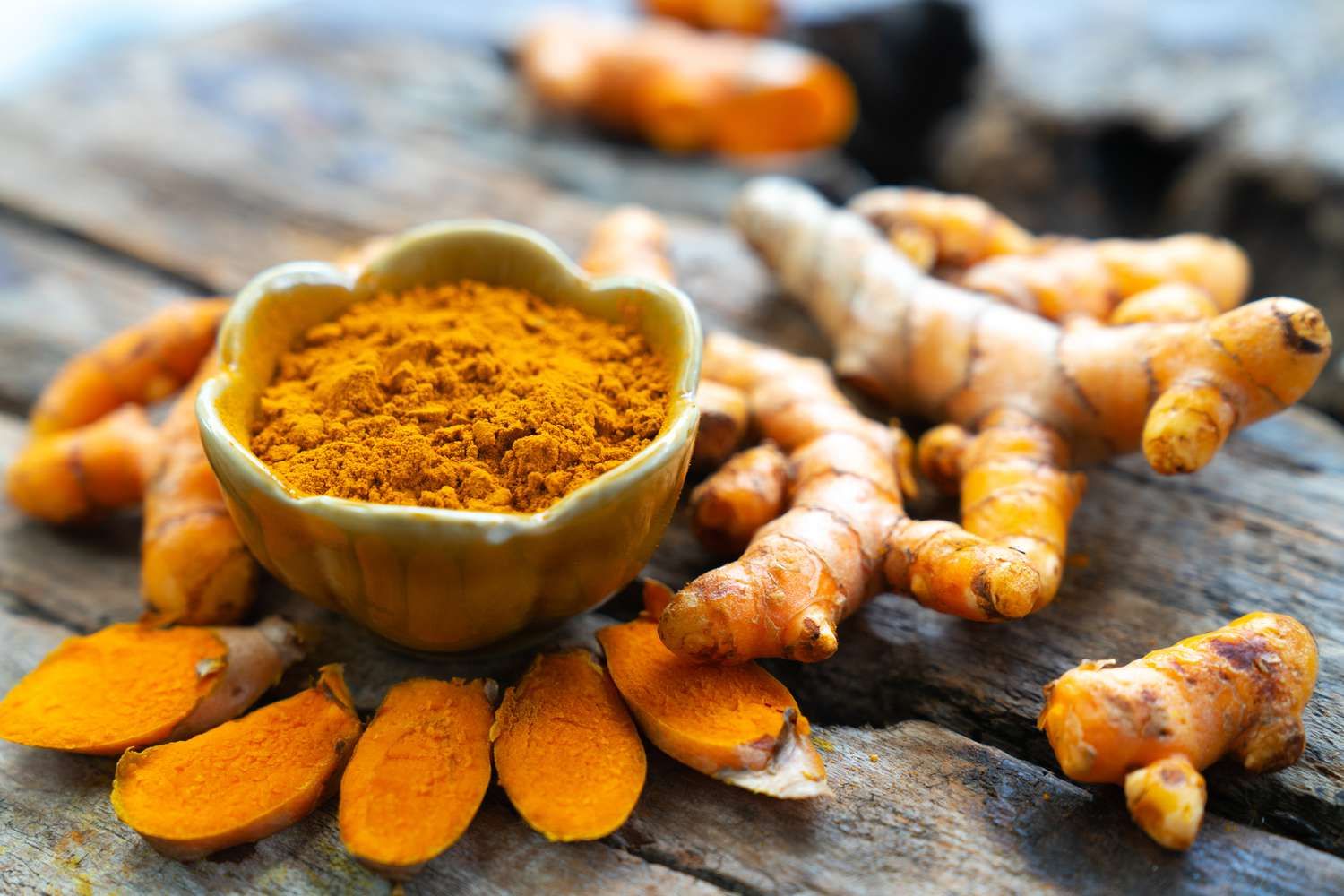
Curcumin: The Golden Healer Curcumin from turmeric provides powerful anti-inflammatory and antioxidant effects through multiple pathways 🟡. It activates your body's own antioxidant enzyme systems while directly neutralizing free radicals.
Resveratrol: The Longevity Compound Found in red wine and dark grapes, resveratrol activates longevity genes and provides cardiovascular protection 🍇. It's particularly effective at protecting against LDL cholesterol oxidation, a key factor in heart disease.
Vitamin C: The Classic Protector Ascorbic acid works primarily in watery cellular environments, supporting immune function and collagen synthesis 🍊. It also helps regenerate other antioxidants like vitamin E, extending their protective effects.
Vitamin E: The Membrane Guardian Tocopherols protect fatty cell membranes from lipid peroxidation, preventing rancidity in cellular structures 🌰. This fat-soluble vitamin is particularly important for protecting polyunsaturated fats throughout the body.
Your Body's Built-In Antioxidant Systems
Glutathione: The Master Antioxidant Glutathione is your body's most important internally produced antioxidant 💪. Every cell makes this tripeptide, and its levels strongly correlate with health and longevity. Glutathione not only neutralizes free radicals but also helps recycle other antioxidants.
Superoxide Dismutase (SOD) SOD enzymes specifically target superoxide radicals, some of the most dangerous free radicals produced during energy metabolism ⚡. Your body produces different types of SOD for different cellular compartments.
Catalase Catalase breaks down hydrogen peroxide into water and oxygen, preventing this potentially harmful compound from forming more dangerous free radicals 💧. This enzyme is particularly concentrated in the liver and kidneys.
Fun Fact: Your body's endogenous antioxidant systems are actually more powerful than any dietary antioxidant, which is why supporting your natural antioxidant production through lifestyle choices is so important.
Conclusion
Antioxidants protect your cells by neutralizing harmful free radicals through simple electron donation chemistry 🔬. This protection becomes increasingly important as we age and face more environmental stressors.
Supporting both dietary and endogenous antioxidant systems provides comprehensive protection against oxidative damage 🛡️. The goal is achieving balance rather than overwhelming your system with excessive amounts.
Understanding antioxidant activity helps you make informed choices about foods, supplements, and lifestyle practices that support long-term health and vitality 🌟.
Take-Home Summary
Free radicals are unstable molecules that steal electrons from cells, causing damage through oxidative stress
Antioxidants donate electrons to neutralize free radicals without becoming harmful themselves
Astaxanthin is 6000 times more powerful than vitamin C and provides unique brain and eye protection
Endogenous antioxidants like glutathione provide more protection than any dietary antioxidant
Colorful plant foods contain the most diverse and effective antioxidant compounds
Balance is key - both too few and too many antioxidants can disrupt healthy cellular processes
Reply